

Arabian Mau cats need consistent care to stay healthy, active and comfortable. Providing balanced meals, fresh water, regular grooming and daily enrichment helps support their wellbeing at every life stage. In the UAE, it is also important to consider indoor temperatures, hydration and safe arrangements when you need to leave home.

Whether you have recently adopted an Arabian Mau or have shared your home with one for years, understanding its daily needs can help you build a practical routine that suits your cat’s personality and lifestyle.
1. Understand Your Arabian Mau’s Daily Needs
Every cat has its own personality, appetite and activity level. Arabian Mau cats are often active and curious, so many enjoy exploring their surroundings, watching outdoor activity from a window and interacting with their families.
Start by observing your cat’s usual habits. Notice when it prefers to eat, how much it plays, where it likes to rest and whether it enjoys being handled. These observations can help you create a routine that feels comfortable for your individual cat.
Provide separate, accessible areas for eating, drinking, sleeping and using the litter tray. Include quiet hiding places, comfortable resting spots and opportunities to climb or observe the household from a safe position.
Avoid assuming that every Arabian Mau has the same temperament. Some cats enjoy frequent interaction, while others prefer quieter companionship and more independent time.
2. Feed a Balanced Diet for Healthy Growth
Good nutrition supports your Arabian Mau’s energy, muscle condition, digestion and overall health. Choose a complete and balanced cat food appropriate for your cat’s age and life stage.
Kittens, adult cats and senior cats may have different nutritional requirements. Your veterinarian can help you choose an appropriate diet if your cat has weight concerns, food sensitivities or other medical needs.
Follow a Consistent Feeding Schedule
Measure portions according to the food manufacturer’s guidance and adjust them based on your cat’s body condition, activity level and veterinary advice. Avoid unlimited feeding if your cat tends to overeat.
Follow these practical feeding habits:
Choose food formulated specifically for cats.
Provide appropriate portions rather than estimating every meal.
Introduce dietary changes gradually.
Monitor your cat’s weight and body condition.
Keep food bowls clean and remove uneaten wet food promptly.
Avoid foods that are unsafe for cats, including onions, garlic, chocolate and alcohol.
Treats can support bonding, but they should not replace balanced meals. If your Arabian Mau suddenly stops eating, experiences persistent digestive problems or shows an unexplained change in appetite, consult a veterinarian.
3. Keep Fresh Water Available in the UAE Climate
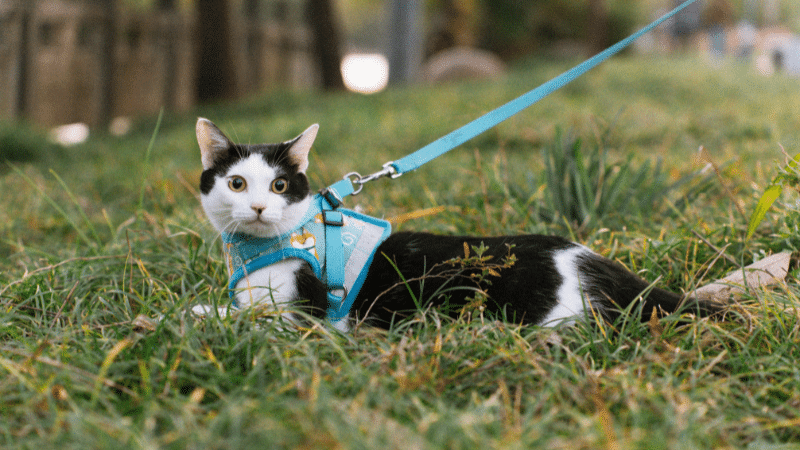
Hydration is an important part of cat care, particularly in the UAE, where high temperatures make a cool, comfortable indoor environment essential.
Place fresh water in easily accessible locations around your home. Some cats prefer drinking away from their food, so try different positions if your cat does not drink readily. A water fountain may also encourage cats that prefer moving water.
Wet food can contribute to daily water intake, but your cat should always have access to fresh drinking water.
Help Your Cat Stay Comfortable During Hot Weather
Keep your home at a comfortable temperature and provide shaded resting areas. Make sure your cat can move away from sunny windows or warm rooms whenever it wants.
Never leave your cat inside a parked car, even briefly, because temperatures can rise dangerously quickly. If your cat has access to an outdoor area, ensure it can return to a cool, safe space.
Heavy panting, difficulty breathing, collapse or marked weakness can indicate an emergency in cats. Move your cat away from the heat and seek urgent veterinary attention if these signs occur.
4. Groom Your Arabian Mau’s Short Coat
Arabian Mau cats generally have short coats that are relatively easy to maintain. Regular brushing helps remove loose hair and gives you an opportunity to check the skin for unusual changes.
Brush your cat gently about once a week, increasing the frequency when needed during periods of heavier shedding. Use a soft brush suitable for short-haired cats and stop if your cat becomes distressed.
During grooming, check for:
Redness, scabs or skin irritation.
Fleas or other signs of parasites.
Unusual hair loss or greasy patches.
Lumps, swelling or tender areas.
Excessive scratching or repeated licking.
A healthy cat does not usually need regular bathing. If your Arabian Mau becomes dirty, ask your veterinarian about a suitable cleaning method, especially if the substance on its coat could be harmful.
Maintain Dental, Ear and Nail Care
Grooming involves more than brushing the coat. Introduce tooth brushing gradually using cat-safe toothpaste, and ask your veterinarian about regular dental checks.
Check your cat’s ears for visible dirt, redness or unusual discharge. Avoid inserting cotton buds or other objects into the ear canal.
Trim the nails when necessary using appropriate cat nail clippers. If you are unsure how to do this safely, ask a veterinary professional to demonstrate the technique.
5. Provide Daily Exercise and Mental Stimulation
Arabian Mau cats can be curious and energetic, so they benefit from opportunities to move, investigate and express natural feline behaviours. Without sufficient enrichment, some cats may become restless or develop unwanted habits such as scratching furniture.
You do not need a large space or expensive equipment to make your home more engaging. Consistent play and a few suitable activities can make a difference.
Try these ideas:
Use wand toys to encourage chasing and pouncing.
Offer puzzle feeders to make mealtimes more engaging.
Provide sturdy climbing furniture or cat shelves.
Place a scratching post near a favourite resting area.
Rotate toys to maintain interest.
Create a comfortable window perch for watching the surroundings.
Keep play sessions appropriate to your cat’s age, health and energy level. Let your cat catch the toy occasionally, and store string, ribbon and small objects safely when playtime ends.
If your daily schedule means you are away from home for extended periods, plan how your cat’s routine will be maintained. Arrange reliable care so feeding, fresh water, litter hygiene and appropriate interaction are not overlooked.
6. Maintain a Clean and Comfortable Litter Area
Cats need a clean, accessible place to toilet. An unsuitable tray location or poor litter hygiene may cause avoidance and stress.
Choose a tray large enough for your cat to enter, turn around and dig comfortably. Place it in a quiet location away from food and water bowls. Avoid noisy areas or spaces where your cat may feel trapped.
Scoop waste at least daily and wash the tray regularly with a mild, cat-safe cleaning product. Strong fragrances can discourage some cats from using their tray, so unscented litter is a sensible starting point.
In a multi-cat household, provide enough trays to reduce competition. A commonly recommended starting point is one tray per cat plus one extra, with adjustments for your home and your cats’ preferences.
Pay attention to changes in litter habits. Straining to urinate, repeatedly attempting to urinate without success or producing little or no urine can indicate a serious emergency, particularly in male cats. Seek urgent veterinary care rather than waiting for the problem to resolve.
7. Support Your Arabian Mau’s Health
Routine veterinary care helps you monitor your cat’s health and identify potential problems early. Even when your Arabian Mau appears healthy, regular check-ups can help assess its weight, teeth, vaccination needs and parasite prevention.
Your veterinarian can recommend a preventive care schedule based on your cat’s age, lifestyle, medical history and potential exposure risks.
Watch for Changes in Behaviour
Cats often hide signs of discomfort. Changes in everyday habits may be easier to notice than obvious symptoms.
Look out for:
Reduced appetite or unusual thirst.
Unexplained weight loss or gain.
Persistent vomiting or diarrhoea.
Changes in grooming or coat condition.
Hiding more than usual or becoming unusually irritable.
Difficulty jumping or moving comfortably.
Changes in urination or bowel movements.
These signs do not necessarily indicate a specific illness, but sudden or persistent changes deserve veterinary attention. Never give human medication to your cat unless a veterinarian specifically instructs you to do so.
8. Make Your Home Safe for an Indoor Cat
A comfortable home should also protect your Arabian Mau from preventable hazards. Curious cats may investigate open windows, unfamiliar objects and places where cleaning products are stored.
Check your home regularly for potential risks:
Secure windows, balconies and elevated openings with suitable cat-safe protection.
Keep cleaning products, medicines and chemicals out of reach.
Check whether household plants are toxic to cats before bringing them home.
Store thread, elastic bands, ribbons and small swallowable objects safely.
Keep electrical cords and hot cooking surfaces inaccessible.
Maintain suitable identification details in case your cat gets lost.
If your cat has access to an outdoor area, make sure it is secure and supervised where necessary. A microchip and an appropriate identification plan can help if your cat goes missing.
9. Build a Simple Daily Care Routine
A consistent routine makes it easier to notice changes in your Arabian Mau’s health and behaviour. Predictable mealtimes, play and rest can also help your cat feel secure.
Morning
Refresh the water, serve an appropriate meal, clean the litter tray and spend a few minutes interacting with your cat. Check that it is moving normally and behaving as usual.
During the Day
Provide a safe resting space, access to water and suitable enrichment. If you are away for long periods, make sure your cat’s needs can still be met and that the home remains comfortably cool.
Evening
Offer another meal according to your feeding schedule, spend time playing and check the litter tray. Use this time to notice changes in appetite, movement, grooming or mood.
Your routine does not need to be complicated. Consistency and attention to your cat’s individual needs matter more than following an exact timetable.
10. Arrange Reliable Care When You Travel
Planning ahead is important when you need to leave your Arabian Mau at home or away from its usual environment. Consider your cat’s temperament, medical needs and comfort with unfamiliar places before choosing a care arrangement.
Is In-Home Cat Sitting a Good Option?
If your Arabian Mau feels most comfortable at home, an in-home sitter can help maintain its familiar surroundings and daily routine. Depending on the agreed care plan, visits may include feeding, refreshing water, cleaning the litter tray and providing appropriate interaction.
For help maintaining your cat’s routine while you are away, consider professional cat sitting services. Before the visits begin, provide clear instructions about food portions, medication if applicable, veterinary contact details and emergency arrangements.
Make sure the person caring for your cat knows where essential supplies are kept and understands your cat’s usual behaviour.
When Should You Consider Cat Boarding?
Cat boarding may be appropriate when you need an alternative to in-home care or when your circumstances make home visits unsuitable. However, some cats find unfamiliar environments stressful, so consider your Arabian Mau’s personality and previous experiences before deciding.
You can compare available cat boarding services when planning care for your trip.
Before making arrangements, ask about supervision, feeding routines, cleanliness, safety measures and how health concerns are handled. Provide your cat’s usual food where possible, along with relevant medical information and emergency contacts.
Whether you choose a sitter or boarding, confirm the arrangements in advance. The most suitable option is the one that meets your cat’s needs and allows its daily care to continue as consistently as possible.