


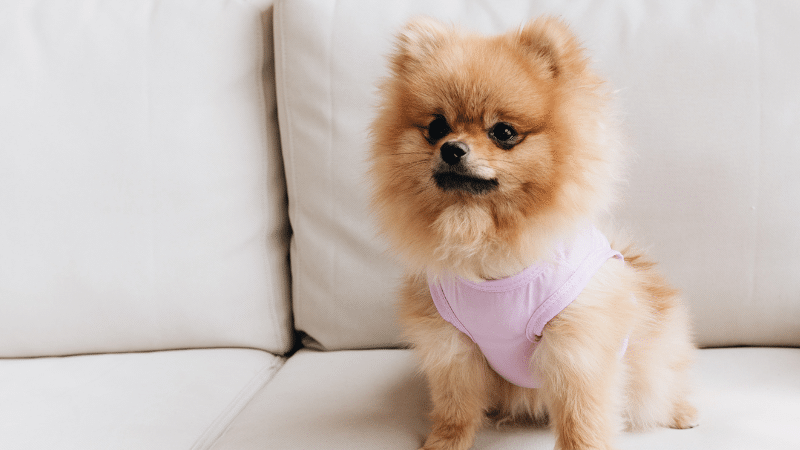
A brown mini Pomeranian is small, fluffy and full of love. It needs gentle care every day: small meals, short cool walks, regular brushing and lots of company. Busy days and travel can make that routine hard to keep. Below is everything your Pom needs, and how to make sure it’s always cared for, even when you can’t be home.
What Does a Brown Mini Pomeranian Need Every Day?
A brown mini Pomeranian needs small, regular meals, fresh water, short walks in the cooler hours, a quick brush, play and plenty of company every day.
A simple daily routine looks like this:
- Morning: a short walk before the heat, then breakfast
- Daytime: rest in a cool room, a toy or puzzle and fresh water
- Evening: a short walk after sunset, dinner and a quick brush
- Night: calm time and cuddles with you
Keeping this routine the same every day helps your Pom feel safe and settled.
How Do You Keep a Pomeranian Cool and Comfortable?
You keep a Pomeranian cool by keeping it indoors in an air-conditioned room, walking only in the cooler hours and never leaving it in the sun.
A Pom’s thick double coat and small body heat up quickly.
- Keep your dog in a cool room during the day
- Give fresh water in more than one spot
- Never leave it in a car, on a balcony or in direct sun
- Watch for heavy panting, drooling or weakness, and call your vet if you see them
When you’re out for long hours, someone should check that the AC is on and the water bowl is full. A sitter visiting during the day can do this while your Pom rests.
How Do You Care for a Pomeranian’s Coat?
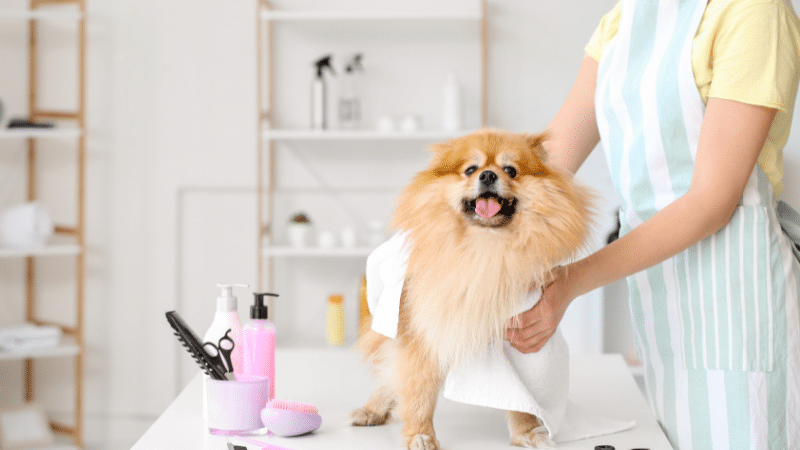
You care for a Pomeranian’s coat by brushing it two or three times a week, bathing only when needed and never shaving it too short.
- Brush right down to the skin with a slicker brush and a comb
- Brush every day when your Pom is shedding
- Bathe every few weeks with a gentle dog shampoo, and dry fully
- Ask a groomer for a light trim, but avoid shaving close to the skin, as the coat may not grow back properly
What Should You Feed a Brown Mini Pomeranian?
Feed a brown mini Pomeranian a complete small-breed dog food, in small measured meals, two or three times a day.
- Puppies: three or four tiny meals a day, as small puppies can get low blood sugar if they go too long without food
- Adults: two or three small meals a day
- Measure every meal, as a little extra food makes a small dog overweight
- Keep treats tiny and count them in the day’s food
- Never give chocolate, grapes, onions or cooked bones
If your puppy seems weak, wobbly or trembles and won’t eat, call your vet straight away.
Write down your Pom’s portions and meal times, so anyone who feeds it gives exactly the same amount.
How Much Exercise Does a Pomeranian Need?
A Pomeranian needs about 20 to 30 minutes of gentle exercise a day, split into short walks and indoor play.
- Walk early in the morning or after sunset, never in the midday heat
- Check the pavement with your hand, as hot ground burns small paws quickly
- Carry water and follow these tips to keep your dog hydrated during walks
- On hot days, play indoors instead, as there are easy ways to tire your dog indoors
If your workday runs long, a dog walker who knows small breeds can take your Pom out gently in the cooler hours, with a harness and water.
Why Should a Pomeranian Wear a Harness?
A Pomeranian should wear a harness instead of a collar because many Poms have a delicate windpipe that can be hurt by pulling.
- Use a soft, well-fitted harness for every walk
- Watch for a honking cough, a common sign of windpipe problems
- See your vet if the cough happens often
Make sure anyone who walks your dog uses the harness too.
Which Health Signs Should Pomeranian Owners Watch For?
Pomeranian owners should watch for a honking cough, skipping or limping, bad breath and signs of heat stress.
- Honking cough: may point to a weak windpipe
- Skipping or holding up a back leg: may mean a slipping kneecap
- Bad breath or red gums: signs of dental disease, common in small mouths
- Heavy panting or weakness: signs of heat stress
Brush your Pom’s teeth a few times a week, use ramps or steps so it doesn’t jump off sofas, and book a vet check-up every year.
How Do You Stop a Pomeranian From Barking So Much?
You reduce barking by giving your Pomeranian enough exercise and attention, and rewarding quiet behaviour.
- Reward your dog when it stops barking, not while it barks
- Keep it busy with toys and short training sessions
- Close curtains if it barks at people passing
- Avoid shouting, as it can sound like you’re barking too
A Pom that’s walked and kept company during the day is usually much quieter at home.
How Do You Handle a Small Dog Safely?
You handle a mini Pomeranian gently, always supporting its chest and back legs, because small dogs can be hurt by falls.
- Pick it up with one hand under the chest and one under the back legs
- Don’t let it jump from high furniture
- Teach children to sit on the floor when holding the dog
How Long Can a Pomeranian Be Left Alone?
Most adult Pomeranians can stay alone for a few hours, but long days alone can make them bark, chew or feel anxious.
- Take your dog for a short walk before you leave
- Leave a safe toy or puzzle feeder
- Keep the room cool, with fresh water
- Build up time alone slowly
On busy weeks, a midday walk or a sitter visit gives your Pom company, a toilet break and a reason to rest calmly until you’re home.

Who Looks After Your Pomeranian When You Travel?
When you travel, your Pomeranian needs someone to feed it small meals, take it for short walks, keep it cool and give it plenty of attention.
Most Poms feel safest at home, with their own bed and routine. Dog sitting at home keeps your Pom’s meals, walks and cuddles on schedule. At Pawland, sitters follow your dog’s routine exactly as you leave it, from portion sizes to its favourite spot on the sofa.
If your Pom enjoys meeting new people, it can also stay with a sitter through dog boarding in a home setting, with company all day instead of a kennel.
What Should You Tell Your Pomeranian’s Sitter?
Tell your sitter how much to feed, when to walk, how to use the harness and how to reach your vet.
- Meal times and exact portions
- Walk times and harness use
- How cool to keep the room
- How your Pom reacts to visitors and noises
- Your vet’s phone number