



Every cat owner wants the same thing: a happy, healthy, purring companion. But what separates a good cat owner from a truly great cat parent?
The answer isn’t expensive toys or fancy gadgets. The key to being the best cat parent is simple: understand your cat’s needs, and meet them consistently. Cats communicate quietly, so the best parents learn to read the signs and respond with care, routine, and love.

In this guide, you’ll learn nine practical habits that make a real difference to your cat’s health, happiness, and behavior. Whether you’ve just brought home a kitten or you’ve shared your home with a senior cat for years, these tips will help you build a stronger bond.
What Does It Mean to Be a Great Cat Parent?
Being a great cat parent means looking after your cat’s physical health, emotional wellbeing, and daily routine. That includes:
- Feeding balanced, age-appropriate nutrition
- Keeping up with grooming and hygiene
- Providing play, exercise, and mental stimulation
- Scheduling regular health checkups
- Creating a safe, calm home environment
- Arranging trusted care when you’re away
If you do these consistently, you’re already ahead of most owners. Let’s break each one down.
1. Feed Your Cat a Balanced, Species-Appropriate Diet
Cats are obligate carnivores, which means they need nutrients found in animal protein, such as taurine, to stay healthy. A good diet supports a shiny coat, strong muscles, healthy digestion, and a long life.
Quick nutrition tips:
- Choose high-quality cat food labeled “complete and balanced” for your cat’s life stage (kitten, adult, or senior)
- Measure portions to prevent obesity, one of the most common feline health problems
- Offer fresh water daily; many cats prefer a pet water fountain
- Mix wet food into the diet to support hydration and urinary health
- Limit treats to roughly 10% of daily calories
Not sure what your cat needs? Browse the quality options in our cat food and nutrition supplies or ask our team for a recommendation.
2. Make Grooming a Regular Habit
Grooming is about more than looks. Regular brushing reduces shedding, prevents painful mats, cuts down on hairballs, and gives you a chance to spot lumps, skin irritation, or parasites early.
Grooming checklist:
- Brush short-haired cats weekly and long-haired cats several times a week
- Trim nails every two to three weeks
- Gently clean ears and check teeth
- Schedule a professional session when mats, odor, or stress make home grooming difficult
Our gentle, cat-friendly cat grooming services are designed for nervous felines, with calm handling and low-stress techniques.
3. Prioritize Preventive Health Care
Cats instinctively hide pain and illness, so by the time symptoms are obvious, a problem may already be advanced. That’s why preventive care is one of the best things you can do for your cat.
What to keep up with:
- Annual wellness exams (twice a year for senior cats)
- Core vaccinations and parasite prevention
- Dental care, since dental disease is very common in adult cats
- Spay or neuter, which supports long-term health and reduces roaming and marking
Warning signs to act on quickly: changes in appetite, litter box habits, weight, energy, or sudden hiding. If something feels off, contact your vet. You can also explore our pet wellness and health services for routine care support.
4. Keep the Litter Box Clean and Well Placed
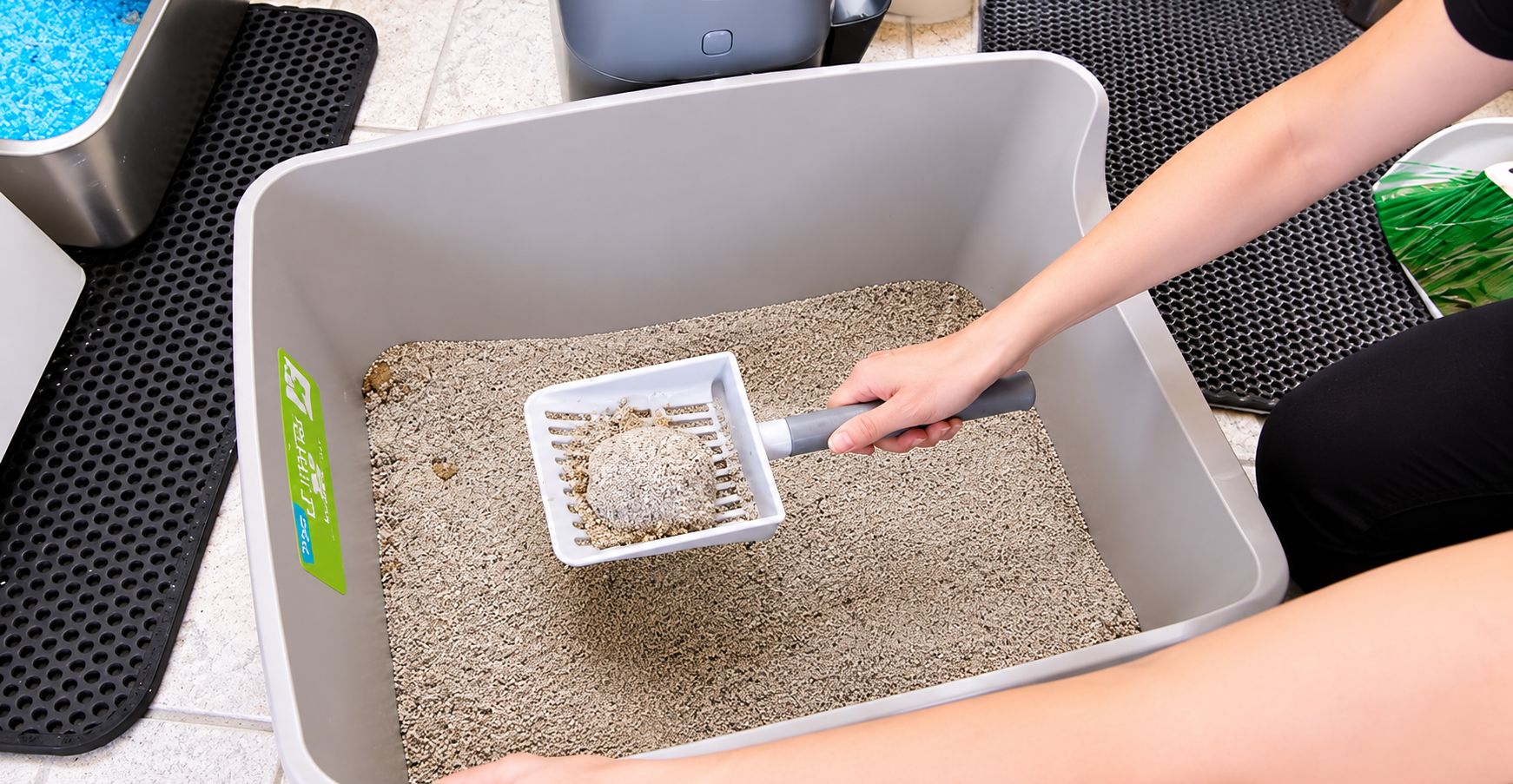
A clean litter box is non-negotiable for a happy cat. Many behavior problems, such as going outside the box, come from litter box dissatisfaction.
Follow the simple rule: one box per cat, plus one extra.
- Scoop at least once daily and fully change litter weekly
- Place boxes in quiet, accessible spots away from food and water
- Use unscented, clumping litter unless your cat prefers otherwise
- Choose a box large enough for your cat to turn around comfortably
If your cat suddenly changes litter habits, see a vet, as it can signal a urinary or digestive issue.
5. Give Your Cat Daily Play and Mental Stimulation
A bored cat is often a stressed cat. Play satisfies natural hunting instincts and keeps your cat fit, confident, and well-behaved.
Easy enrichment ideas:
- Two or three short play sessions daily with a wand toy or feather teaser
- Puzzle feeders and treat balls to make mealtime engaging
- Cat trees, shelves, and window perches for climbing and bird-watching
- Scratching posts in multiple rooms to protect your furniture
- Rotating toys weekly to keep things new
Stock up with our range of cat toys, scratchers, and enrichment products to keep your cat entertained.
6. Learn to Read Your Cat’s Body Language
The best cat parents are fluent in “cat.” Understanding signals helps you respond before stress turns into behavior problems.
- Slow blinks: trust and affection
- Tail straight up: happy and confident
- Flattened ears or puffed tail: fear or irritation
- Kneading: comfort and contentment
- Tail twitching: overstimulation or excitement
Respect your cat’s boundaries, let them approach you, and always reward calm, confident behavior with praise or treats.
7. Create a Safe, Cozy, Cat-Friendly Home
Cats thrive on predictability and security. A comfortable home setup makes a big difference.
- Provide quiet hiding spots and warm resting areas
- Offer vertical space; cats feel safer when they can observe from above
- Keep toxic plants (like lilies), cleaning products, and small swallowable items out of reach
- Secure windows and balconies with screens
- Keep a consistent routine for meals and play
8. Plan Ahead for Trips and Time Away
Cats are creatures of habit, and being left alone for long stretches can cause stress. Great cat parents plan care ahead of time.
When you travel, a trusted professional can keep your cat’s routine as close to normal as possible. Our cat boarding and pet sitting services offer safe, comfortable stays with personal attention. If your cat needs company during long workdays, ask about our pet daycare options.
Before any stay, make sure your cat is:
- Up to date on vaccinations
- Microchipped, with current contact details
- Packed with a familiar blanket or toy for comfort
9. Build Trust Through Training and Patience
Yes, cats can be trained. Positive reinforcement helps with carrier comfort, nail trims, leash walking, and good manners.
- Use treats and praise, never punishment
- Keep sessions short (five minutes is plenty)
- Introduce the carrier early and leave it open at home as a cozy spot
- Be patient with changes like a new pet, a move, or a new baby
For persistent behavior concerns, our pet behavior and training support can help you find gentle, effective solutions.