
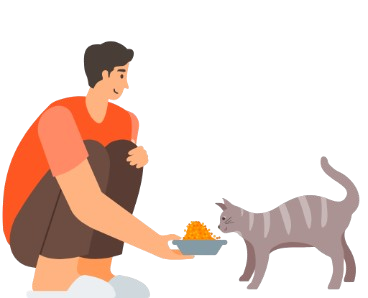


A cat not eating when the owner is away is common, and often it is a short stress reaction to a change in routine. Still, an adult cat that eats nothing for a full day needs a vet, so a sitter should track every meal, try a few gentle steps and contact you quickly if the bowl stays full.

Why does a cat stop eating when the owner is away?
Cats are creatures of routine. When the person who feeds them disappears, the house sounds different and a new face walks in, some cats eat less for the first day or two. The Cornell Feline Health Center notes that loss of appetite can have psychological causes, such as a change in the household, and that cats in boarding kennels commonly refuse food.
Common reasons at home include:
- A stranger at feeding time, especially for shy cats
- Meals served at a different time or in a different spot
- A new food, bowl or brand brought in by mistake
- Noise, visitors or other pets breaking the usual quiet
- An illness that happens to start while you are travelling
A cat that stops eating is never simply being fussy, so stress should not be the only explanation considered.
How long can a cat go without eating before it is serious?
Less time than many owners expect. Cornell advises contacting a vet when an adult cat stops eating and warns that as little as 24 hours without food can have a severe impact. For young kittens the window is even shorter. Loss of appetite is also closely linked to hepatic lipidosis, a liver condition that needs prompt treatment.
| What the sitter sees | What it usually means | What to do |
|---|---|---|
| Eats a little less on day one, still drinks and uses the litter box | Normal adjustment | Keep the routine and keep watching |
| Skips one meal but eats the next | Mild stress | Mention it in the update to the owner |
| Eats nothing for around 24 hours | Not normal for an adult cat | Call the owner and the vet |
| Not eating plus vomiting, hiding, low energy or no urine | Possible illness | Vet visit the same day |
What should a cat sitter do if your cat is not eating?
A good sitter does more than refill the bowl and leave. On each visit they should:
- Check how much food is gone and write it down rather than guessing
- Look at the litter box, since changes in urine or stool are early warning signs
- Sit quietly nearby for a few minutes, because many cats only eat once a calm person is in the room
- Offer the usual food at the usual time in the usual place
- Warm wet food slightly or offer a treat you approved, but avoid switching brands
- Send you a photo or video update with an honest note about appetite
- Contact you and your vet if your cat has eaten nothing in about 24 hours or shows other signs of illness
Our professional cat sitting services include feeding, litter changes, fresh water and play, and sitters send regular photo and video updates. They can also give medications and take your cat to the vet if needed, so you hear about a change early instead of after you return.
What should you tell the sitter before you leave?
- The exact food, portion size and feeding times
- How your cat normally eats, for example grazing slowly or finishing in one go
- Favourite treats and safe ways to encourage eating
- Your vet’s name, phone number and address, plus written consent for treatment
- Any health conditions or medications
How can you lower the chance of your cat skipping meals?
- Arrange a meet and greet so your cat sees the sitter while you are still home
- Keep the food, bowls and feeding spot exactly the same
- Leave an item that smells like you near the sleeping area
- Ask for visits close to your normal meal times
- Keep one sitter for the whole trip rather than a rotation of new people
If your cat already reacts badly to being left, this guide to cat stress symptoms every owner should know can help you decide what to share with the sitter.
Is one visit a day enough for a cat that stops eating?
For most healthy adult cats, one visit a day is enough to catch a problem within 24 hours. If your cat is a known picky eater, elderly or on medication, two visits a day or a sitter who stays overnight at your home gives more chances to get food in and spot changes sooner.
If you would like someone watching every meal while you travel, you can request a quote for Pawland cat sitting and we will share sitter profiles that match your cat’s needs.