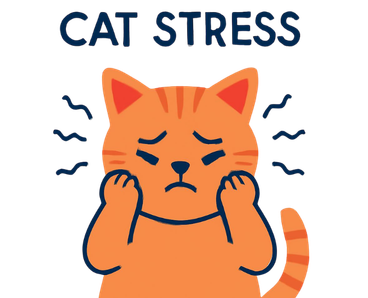


Cats are often seen as calm, independent pets, but they can experience stress and anxiety just like humans. The challenge is that cats rarely show obvious signs of emotional distress. Instead, they communicate through subtle changes in their behavior, eating habits, grooming, and daily routine.
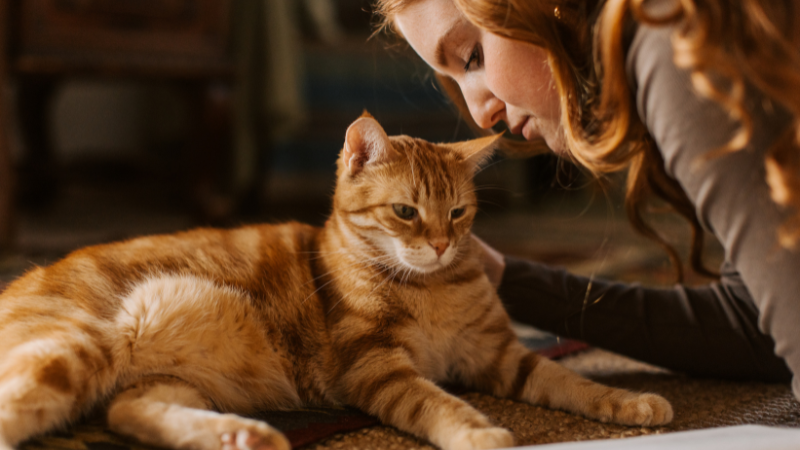
If these warning signs go unnoticed, chronic stress can affect your cat’s physical health, weaken its immune system, and reduce its overall quality of life.
1. Your Cat Hides More Than Usual
Cats naturally enjoy quiet places where they feel safe. However, if your cat suddenly starts spending most of the day under the bed, inside closets, or behind furniture, it could be experiencing stress.
Excessive hiding often happens after major life changes such as:
- Moving to a new home
- Introducing another pet
- Welcoming a new family member
- Loud construction or fireworks
- Sudden changes in daily routine
If a busy schedule or upcoming travel is disrupting your routine and forcing your cat into hiding, it might be time to look into a reliable cat boarding service to ensure they still get undivided attention and care.
2. Excessive Grooming or Hair Loss
Cats groom themselves every day, but anxious cats often groom excessively as a way to cope with emotional stress.
Overgrooming commonly affects the:
- Belly
- Legs
- Tail
- Inner thighs
Over time, this behavior can lead to bald patches, irritated skin, or sores. Many owners mistake excessive grooming for normal cleaning, but it can be one of the earliest signs of feline anxiety.
3. Sudden Aggression
Has your friendly cat suddenly started hissing, scratching, biting, or swatting?
Stress and fear are common reasons behind unexpected aggression. Instead of assuming your cat has become “bad,” try to understand what may be making it feel threatened.
Possible triggers include:
- Another animal entering its territory
- Too much household activity
- Unfamiliar visitors
- Feeling cornered or overwhelmed
Aggression is often a form of communication rather than disobedience.
4. Changes in Appetite
Stress can directly affect your cat’s eating habits.
Some anxious cats lose their appetite completely, while others eat much less than normal or become unusually picky.
This should never be ignored.
Cats should not go without food for extended periods because it can quickly lead to serious health problems. If your cat refuses food for more than 24 hours, contact your veterinarian immediately.
5. Increased Meowing or Unusual Vocalization
If your cat suddenly becomes much more vocal, stress could be the cause.
An anxious cat may:
- Meow excessively
- Cry at night
- Growl more often
- Yowl unexpectedly
- Make unusual sounds
These vocalizations may be your cat’s way of expressing discomfort, confusion, or asking for reassurance.
6. Avoiding the Litter Box
One of the most frustrating signs of feline stress is inappropriate urination or defecation.
A stressed cat may suddenly stop using its litter box because of:
- Anxiety
- Territorial insecurity
- Dirty litter boxes
- Environmental changes
- Household conflicts
Never punish your cat for accidents. Punishment usually increases anxiety and makes the problem worse. Instead, identify and remove the source of stress whenever possible.
Often, a change in your work hours or long trips away from home can trigger this insecurity. In such cases, having a professional cat sitting service visit your home can maintain their strict routine and ease their separation anxiety.
7. Destructive Behavior
Scratching furniture, knocking objects off shelves, chewing unusual items, or damaging household belongings can all be signs of emotional frustration.
Cats need healthy outlets for their physical and mental energy.
Providing enrichment can significantly reduce stress.
Helpful enrichment includes:
- Scratching posts
- Cat trees
- Climbing shelves
- Puzzle feeders
- Interactive toys
- Daily play sessions
A mentally stimulated cat is usually a happier cat.
8. Changes in Sleeping Habits
Cats naturally sleep between 12 and 16 hours a day. However, stress can change both how much they sleep and where they choose to rest.
Some anxious cats sleep excessively to avoid interaction, while others struggle to relax and remain alert throughout the day.
If your cat suddenly changes its favorite sleeping spot or appears restless, anxiety could be a contributing factor.
9. Constant Alertness and Nervous Body Language
Body language often reveals how your cat is feeling.
Signs of a stressed cat include:
- Dilated pupils
- Flattened ears
- Twitching tail
- Crouched posture
- Jumping at small noises
- Difficulty relaxing
These behaviors suggest your cat feels unsafe or overstimulated. Chronic stress may keep your cat in a constant “fight or flight” state.
10. Sudden Personality Changes
One of the clearest warning signs of stress is a noticeable change in your cat’s personality.
Some anxious cats become extremely clingy and follow their owners everywhere.
Others withdraw completely and avoid all interaction.
If your cat suddenly behaves very differently than usual, pay attention. Personality changes are often your cat’s way of telling you that something isn’t right.
How to Help a Stressed Cat Feel Better
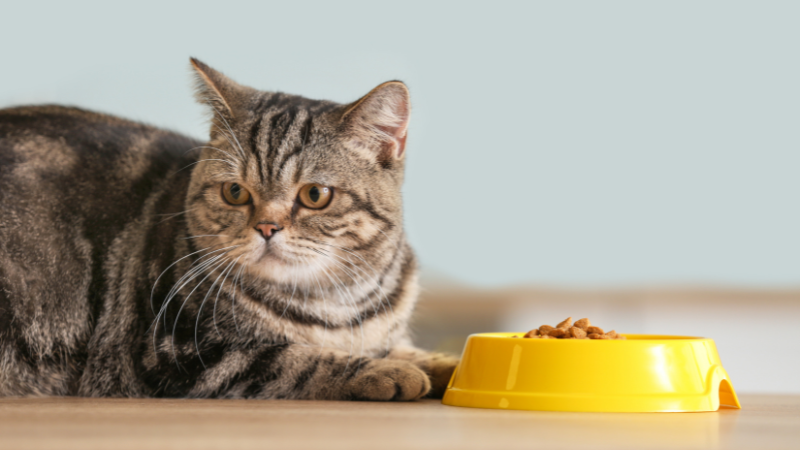
Fortunately, many cases of mild stress can be managed by creating a calm, predictable environment.
Here are some practical ways to reduce feline anxiety:
- Keep feeding and playtime on a consistent schedule.
- Provide quiet hiding places where your cat feels secure.
- Offer scratching posts, climbing trees, and vertical spaces.
- Spend time playing with interactive toys every day.
- Avoid punishment, yelling, or forced interactions.
- Keep the litter box clean and easily accessible.
- Consider veterinarian-approved pheromone diffusers if recommended.
- Schedule regular veterinary checkups to rule out underlying health issues.
Patience and consistency are key. Most cats gradually become more relaxed once they feel safe again.
When Should You See a Veterinarian?
Many signs of stress, such as appetite loss, litter box problems, excessive grooming, or aggression, can also be symptoms of medical conditions.
If your cat’s behavior changes suddenly, lasts for several days, or seems severe, schedule a veterinary examination. Treating the underlying cause early can prevent more serious health problems.