



If you’re planning to adopt a cat, you’ve probably wondered whether a male or female cat would be a better fit for your home.

The truth is, there isn’t a “better” choice. Both male and female cats can be loving, friendly, and wonderful companions. However, they do have some common personality and behavior differences that may help you decide which one matches your lifestyle. Keep in mind that every cat is unique. Their personality depends on genetics, early socialization, and how they’re raised, not just whether they’re male or female.
Female Cats
Female cats are often described as gentle and affectionate. Many enjoy sitting close to their owners, receiving gentle pets, and spending quiet time together.
They also have a strong instinct to protect their surroundings. Because of this, female cats may be more cautious around strangers and can take longer to adjust to changes in the home. If a female cat hasn’t been spayed, she will go into heat after reaching maturity, usually between 6 and 10 months of age. During this time, she may:
- Meow loudly and more often.
- Try to go outside.
- Spray urine to attract male cats.
- Become restless or more sensitive than usual.
Female cats can also be more territorial, especially around other female cats.
Male Cats
Male cats are usually more energetic and playful. They love exploring, climbing, chasing toys, and staying active throughout the day. Because they’re naturally curious, indoor male cats need regular playtime and enrichment to keep them entertained.
If a male cat hasn’t been neutered, he may:
- Try to escape in search of a mate.
- Spray urine to mark territory.
- Become more competitive with other male cats.
These behaviors usually become much less common after neutering. Many male cats are also known for being friendly with other cats and forming strong bonds with both people and other pets.
Are Male Cats Bigger Than Female Cats?
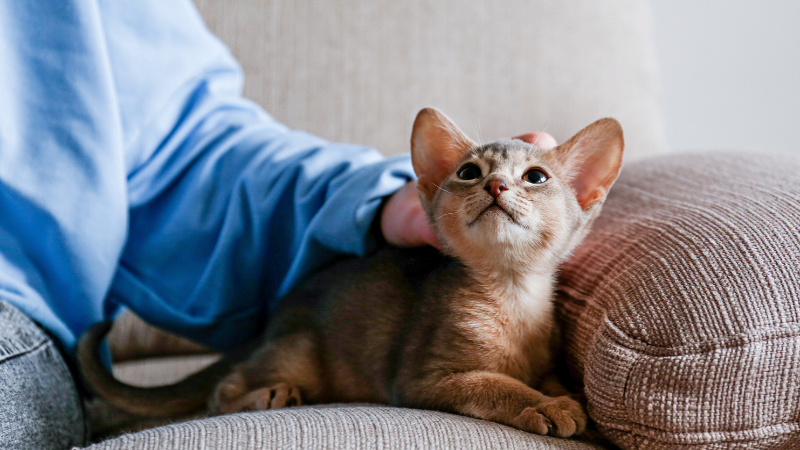
In most cases, yes. Male cats are generally a little larger and heavier than female cats. They may also have a slightly higher risk of urinary problems because their urinary tract is narrower. Regular vet checkups, fresh water, and a healthy diet can help reduce this risk.
Does Spaying or Neutering Change a Cat’s Personality?
Spaying or neutering can reduce behaviors caused by hormones, such as spraying, roaming, and territorial aggression.
However, it won’t completely change your cat’s personality. A playful cat will usually stay playful, and a calm cat will generally remain calm. If you don’t plan to breed your cat, spaying or neutering is recommended for both health and behavioral benefits.
Which Cat is Better for You?
A female cat may be the better choice if you want:
- A calm companion.
- A cat that enjoys cuddles.
- A quieter home with one pet.
A male cat may suit you better if you want:
- A playful and active companion.
- A cat that enjoys interaction.
- Multiple cats living together.
These are only general traits, and every cat is different.
Whether you choose a male or female cat, planning for their care while you’re away is just as important. Professional cat sitting services are ideal for cats that prefer staying in their own home and following their normal routine. If your cat is comfortable in a new environment, cat boarding services can provide a safe place with regular feeding, playtime, and attention until you return.
Can You Keep a Male and Female Cat Together?
Yes. In fact, many male and female cats become great companions. If you plan to keep both, it’s important to have them spayed and neutered unless you intend to breed them. This helps prevent unwanted kittens and reduces hormone-related behaviors like spraying and roaming.
When choosing between a male and female cat, don’t focus only on gender. Personality, health, and temperament matter much more.