


Getting a puppy is exciting, but it is also a major responsibility. Before getting a puppy, you should understand how much time, patience, training, exercise, grooming, and money a young dog can require. Puppies are adorable and can quickly become part of your family, but the first few months can be challenging if you are not prepared.
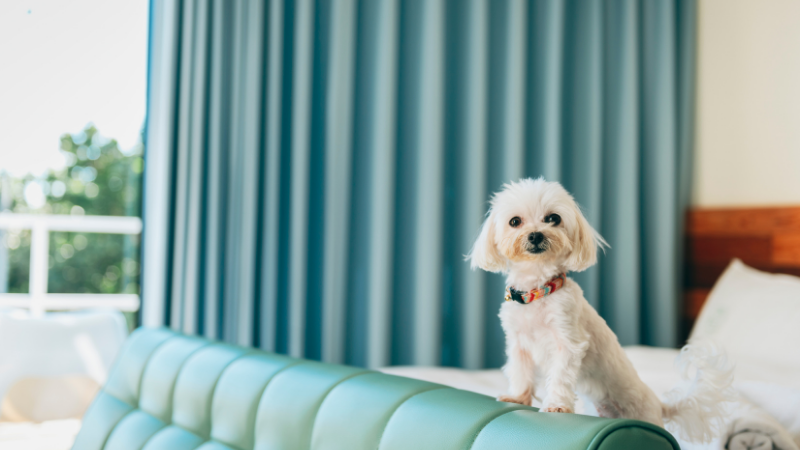
Knowing what to expect can help you decide whether you are ready for a puppy and make the transition easier for both you and your new companion.
1. Puppy Life May Be Different From What You Expect
Many people imagine bringing home a puppy and immediately enjoying cuddles, playtime, and a strong bond. The reality can be more demanding. A new puppy may cry at night, have accidents indoors, chew furniture, wake up early, or spend more time exploring than cuddling. This is normal because your puppy is adjusting to a completely new environment and learning how to behave.
Some new owners experience the “puppy blues,” which can happen when the responsibility feels overwhelming. It does not mean you made the wrong decision. Give yourself and your puppy time to adjust, and remember that puppy training takes patience and consistency. Your dog needs to learn where to sleep, where to go to the toilet, what it can chew, and how to behave around people and other animals. Positive reinforcement and a predictable routine can make this learning process much easier.
2. Puppies Need a Consistent Feeding Schedule
Young puppies need regular meals because they are growing quickly and have different nutritional needs from adult dogs. Depending on their age, breed, and size, puppies may need several smaller meals throughout the day rather than having food available all the time. A consistent feeding schedule can help you monitor how much your puppy eats and support healthy growth.
Free-feeding is not always a good choice because some puppies may eat more than they need. Overeating can contribute to unhealthy weight gain, while a predictable meal routine can also make house training easier. Puppies commonly need to go outside after eating, drinking, sleeping, and playing, so keeping meals at consistent times can help you predict when bathroom breaks are needed. Choose a complete puppy food that is appropriate for your dog’s age and size, and speak with your veterinarian if you are unsure about portions or feeding frequency.
3. Daily Exercise and Toilet Breaks Take Time
Puppies need appropriate exercise, mental stimulation, playtime, and frequent toilet breaks. However, young puppies should not be treated like small adult dogs. The amount and type of exercise they need depends on their age, breed, size, health, and development. Short, age-appropriate activities combined with play and training are often more suitable than long or strenuous exercise.
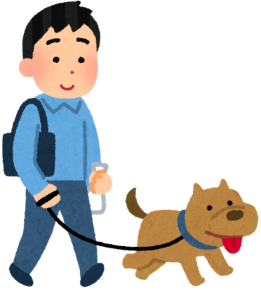
Your daily schedule is another important consideration before getting a puppy. If you work a full day away from home, your puppy may need someone to provide toilet breaks, companionship, and appropriate activity. A family member, trusted dog walker, or pet sitter can help when you cannot be there.
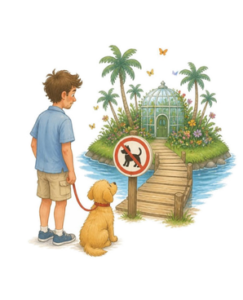
Socialization is also an important part of puppy development. However, you should not assume every dog you meet on a walk should immediately play with your puppy. Leashes can become tangled, dogs can become overwhelmed, and poorly managed interactions may create fear or unwanted behavior. Focus on calm introductions and positive experiences, and follow your veterinarian’s advice about vaccinations and safe socialization.
4. Grooming is Part of Regular Puppy Care
Puppies can get dirty quickly, especially when they discover mud, puddles, and everything else they can explore outdoors. How often your puppy needs grooming depends on its breed, coat type, lifestyle, and individual needs. Some dogs enjoy baths, while others need time to become comfortable with being washed, brushed, or having their paws handled.
Puppy grooming involves more than bathing. Depending on your dog’s coat and needs, you may need to brush regularly, trim the nails, clean the ears, and introduce dental care. Always use products designed specifically for dogs rather than human shampoo or other human grooming products. If you use a pet dryer, choose one made for dogs and avoid excessive heat.
Starting grooming routines when your dog is young can make future care much easier. Keep sessions short and positive, reward calm behavior, and gradually introduce your puppy to brushing, nail trimming, bathing, and other handling. This can help your dog become more comfortable with grooming as it grows.
5. Crate Training Can Help With House Training
Crate training can be a useful part of raising a puppy when it is introduced correctly. A crate provides a safe and comfortable place for your puppy to rest and can also help with house training and preventing destructive behavior when you cannot supervise your dog.
The crate should never be used as punishment. Instead, make it a positive and comfortable space where your puppy can sleep, relax, and enjoy appropriate toys or treats. Many dogs naturally like having a quiet place where they can rest, but every puppy is different. Introduce the crate gradually and allow your puppy to build a positive association with it.
A crate is not a replacement for exercise, attention, or toilet breaks. Puppies still need regular opportunities to move, play, interact with their family, and go outside. Used as part of a broader puppy training routine, crate training can make daily life easier for both you and your dog.
Be Prepared for Mess, Chewing, and Drool
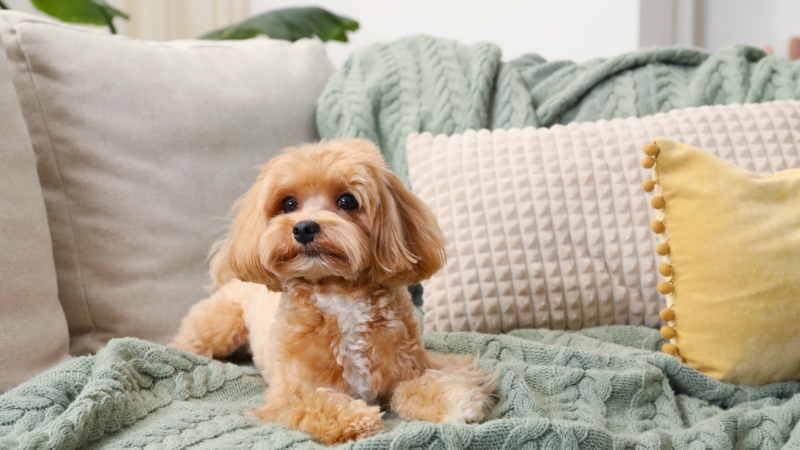
One of the less glamorous parts of puppy ownership is dealing with mess. Puppies can have accidents, chew furniture, drag dirt into the house, and scatter toys everywhere. Some breeds and individual dogs also drool much more than others. If you are considering a large or drool-prone breed, research its typical grooming and cleaning needs before bringing it home.
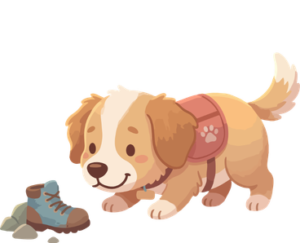
Preparing your home can reduce stress. Keep suitable chew toys available, protect areas that could easily be damaged, and keep cleaning products and other household hazards safely out of reach. Puppy-proofing your home is important because young dogs naturally explore their surroundings with their mouths and paws.
Understand the Cost of Raising a Puppy
The cost of getting a puppy is only the beginning. Responsible puppy ownership includes food, bedding, bowls, a collar and leash, toys, grooming supplies, training, vaccinations, routine veterinary visits, parasite prevention, and other ongoing expenses.
Unexpected veterinary care can also be expensive if your puppy becomes sick or injured. Before getting a puppy, create a realistic monthly budget and consider how you would handle an emergency veterinary bill. Building an emergency fund or researching suitable pet insurance can give you additional financial protection.
Is Getting a Puppy Right for Your Lifestyle?
A puppy is a good fit for people who can provide consistent care, training, exercise, companionship, and financial support. Before getting one, think about your work schedule, travel plans, living situation, daily routine, and available support. If you are away from home for long periods, you may need help from a dog walker, pet sitter, family member, or another trusted caregiver.
It is also important to consider the long-term commitment. A puppy is not just a few months of responsibility. Your new dog may be part of your family for many years, so the decision should be based on your ability to provide stable care throughout its life.
Ensuring the Best Care for Your New Puppy
Professional Dog Sitting Services
Reliable Dog Boarding Services