

Does your dog suddenly forget you exist the moment their nose hits the ground? You might be in the middle of a walk or training session when your dog finds an interesting smell. Then, no matter how many times you call their name, they keep sniffing. It can be frustrating, especially when you are trying to train your dog or get their attention.
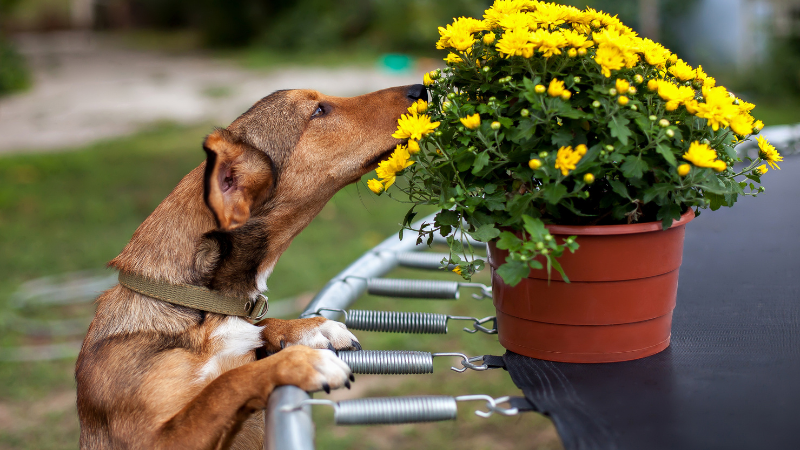
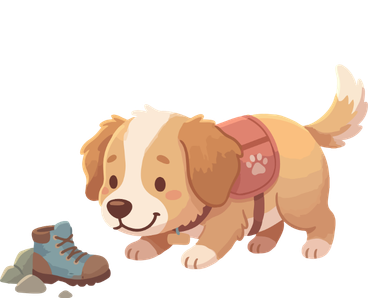
However, sniffing is not necessarily a bad behavior. Dogs naturally explore the world through their noses, and a simple patch of grass can contain a surprising amount of information for them. The real problem begins when your dog becomes so focused on a smell that they struggle to reconnect with you.
Why Does Your Dog Keep Sniffing?
Before trying to change the behavior, it helps to understand why your dog is doing it. Dogs experience their environment very differently from humans. While we mainly use our eyes to understand what is happening around us, dogs rely heavily on their sense of smell.
A patch of grass may seem completely uninteresting to you, but your dog may detect information about other dogs, animals, food, or recent activity. That is why sniffing is a completely natural part of being a dog. It can also provide mental stimulation and make walks more enjoyable.
The problem is not that your dog likes to sniff. The problem is when they become so focused on the environment that they stop responding to you. This can make training more difficult, whether you are practicing obedience, recall, leash skills, or another activity that requires your dog’s attention.
Why Forcing Your Dog to Stop Sniffing May Not Work
When a dog becomes distracted, many owners immediately try to stop the behavior. They may pull the leash, repeatedly call the dog’s name, block the area, or physically move the dog away from the smell. While this may interrupt the behavior for a moment, it does not always teach the dog what you want them to do instead.
In some cases, adding more pressure can create frustration. Your dog may simply try harder to reach the smell or become less engaged during training. Instead of asking, “How can I force my dog to stop sniffing?” it can be more helpful to ask, “How can I teach my dog to choose to focus on me?”
That is where a simple reward-based exercise can help. Rather than forcing your dog to disengage, you give them the opportunity to make that choice. When they choose to turn away from a distraction and reconnect with you, something valuable happens.
Try the Sniffy Dog Game
The Sniffy Dog Game is a simple exercise that teaches your dog that paying attention to you can be more rewarding than staying focused on a distraction. To play the game, you need two different types of rewards. One should be a low-value reward that your dog likes but does not find extremely exciting. The other should be a high-value reward that your dog really loves.
Start in a quiet environment, such as a room in your home with very few distractions. Toss a piece of the low-value food a short distance away and allow your dog to go and get it. Once your dog moves toward the treat, resist the urge to immediately call them back.
Instead, wait quietly. Give your dog time to finish investigating and look around. Eventually, your dog may turn and look back at you. The moment they choose to reconnect, mark the behavior with your usual positive cue, such as “yes,” and reward them with the high-value reward.
Gradually Make the Game More Challenging
Once your dog understands the basic version of the game, you can slowly increase the difficulty. Instead of tossing just one low-value treat, scatter several pieces. This keeps your dog engaged with something away from you for a little longer and better reflects what can happen in real-life situations.
You can also begin practicing in different environments. Start indoors, then move to a quiet backyard or another familiar outdoor area. As your dog becomes more successful, gradually introduce slightly more distractions. There is no need to rush. If your dog struggles to reconnect with you, simply return to an easier environment and build up again.
You can also add controlled distractions, such as a securely closed container with an interesting smell inside. Allow your dog to investigate it, but wait for them to choose to disengage. When they turn away or look back at you, reward them with something they find highly valuable. Always make sure the distraction is safe and cannot be accessed or opened by your dog.
Common Mistakes to Avoid
One of the biggest mistakes is starting in an environment that is too distracting. A dog may understand the game perfectly inside your home but struggle in a busy park filled with new smells, people, and other dogs. Start where your dog can succeed, then gradually increase the challenge.
Another common mistake is calling your dog too quickly. The purpose of this exercise is to help your dog learn to make the choice to reconnect. If you immediately call their name every time they investigate something, they do not get the opportunity to practice that decision.
Your reward also matters. If your high-value reward is not actually more exciting than the distraction, your dog may not be motivated to return to you. Pay attention to what your individual dog genuinely enjoys and adjust the rewards when necessary.
Should You Stop Your Dog From Sniffing Completely?
No. Sniffing is a natural behavior, and it can provide valuable mental stimulation for your dog. The goal is not to stop your dog from exploring every interesting smell they find. Instead, the goal is to create a better balance between allowing your dog to explore and teaching them how to reconnect with you when needed.
With regular practice, your dog may begin checking in with you more naturally. This can be useful during walks, obedience training, recall practice, agility sessions, and other activities where maintaining focus is important.
Keep Your Dog’s Walks Consistent
If your schedule makes it difficult to give your dog regular walks, a professional dog walking service can help maintain their routine. Pawland offers flexible walks with trained and verified dog walkers who can follow your dog’s individual pace, route, and potty habits. You can also meet the walker beforehand and receive live location updates during the walk. This makes it easier for your dog to get regular exercise, explore new smells, and enjoy the mental stimulation that comes with a good walk even when you’re busy.