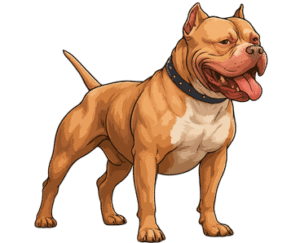
American Pit Bull Terriers (APBT) are the epitome of athletic grace and unwavering devotion. Often misunderstood, these dogs are the perfect blend of a high-performance athlete and a cuddly family companion. Whether you are an enthusiast or a potential owner in Dubai, this comprehensive guide covers everything from their raw diet needs to navigating the UAE’s specific pet laws.
The Breed
APBT vs. Other Pit Bulls
- APBT: The original working athlete. Lean, tall, and high-drive.
- American Bully: Bred for a bulky, “tank-like” look and a mellow temperament. They are much wider and heavier.
- Staffordshire Bull Terrier: A smaller English cousin, often called “Staffies,” known for being extremely affectionate but less intense than the APBT.
- American Staffordshire Terrier (AmStaff): Slightly heavier and more uniform in appearance than the APBT, usually bred for show rather than work.
Athleticism, Strength, and Coat Type
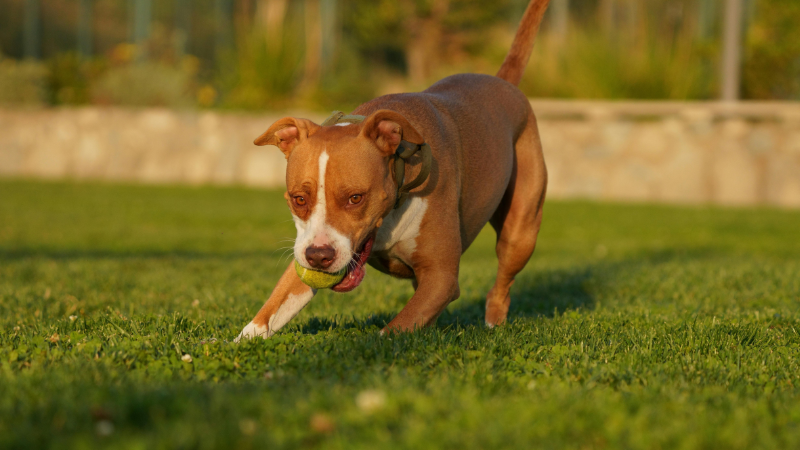
An APBT’s body is built for efficiency. Their hindquarters are long and sloping to provide maximum drive. Their coat is single-layered, glossy, and stiff, which means they produce very little dander but offer zero protection against the cold or the blistering Dubai sun. Their eyes can be any color except blue (unless it’s a puppy), and their ears are often cropped, though natural “rose” ears are the breed standard.
History and The Evolution of a Companion
The “Nanny Dog” Legacy
Temperament – The Heart of the Warrior
The APBT is often called a “Velcro dog.” They don’t just want to be in the same room as you; they want to be on top of you. They are famous for the “Pit Bull Lean” (leaning their weight against your legs) and their incredible sense of humor. They are “clowns” who will perform silly antics to get a laugh. However, they are also highly sensitive and can literally “pout” if they feel they have disappointed their owner.
Male vs. Female APBT
- Males: Usually stay “puppies” forever. They are often more dependent on their owners for emotional cues and are generally more goofy and snuggly.
- Females: Often more “business-oriented.” They mature faster and can be more territorial. While they love cuddling, they are often more focused on “working” or patrolling the home.
Why They are Great with People but Vigilant
While they are exceptionally friendly to humans, the APBT is vigilant. They have a high “emotional IQ” and can sense tension or bad intentions. Their reputation for aggression is almost always a result of poor socialization or abuse. A stable APBT is a “social butterfly” that loves meeting new people but remains an alert guardian of its territory.
Advanced Training and Socialization
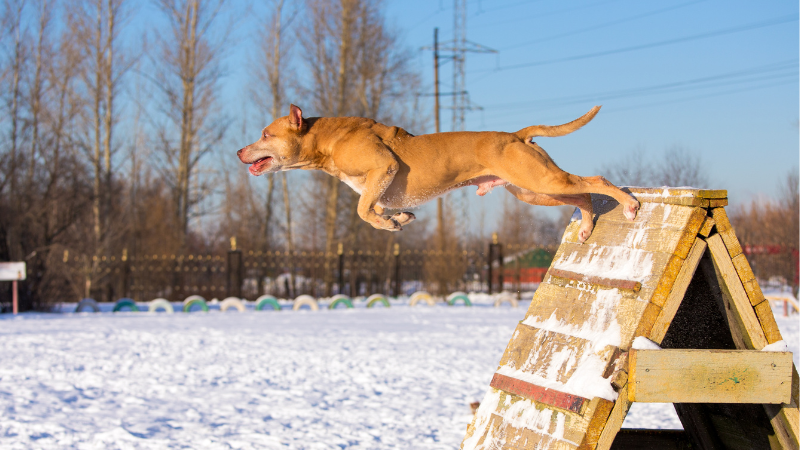
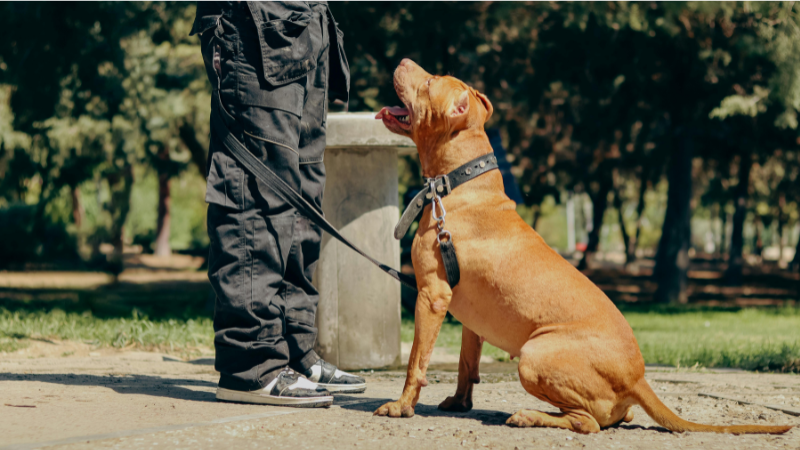
For an APBT, training is the foundation of their life. They are “workaholics.” Positive Reinforcement (using high-value treats like freeze-dried liver) is the only way to train them. They are sensitive to harsh tones; if you scream at them, they will shut down. Training sessions should be short (15 minutes), high-energy, and frequent. Commands like “Look at me” and “Leave it” are life-saving tools for this breed.
Managing High Prey Drive and Dog Aggression
- Never leave them off-leash in public.
- Use a high-quality Heavy Duty Harness for better control.
- Understand that your dog may not want to be “friends” with every dog they meet, and that’s okay.
Professional Dog Sports
The “Escape Artist” Problem
Essential Exercise and Physical Activity
- Morning (6 AM): A 30-minute brisk walk.
- Mid-day: Quick potty break.
- Evening: Intensive play or training session.
- Late Night: Final calm walk for decompression.
Walking isn’t just about legs; it’s about “sniffing,” which lowers their heart rate and burns mental energy.
Conditioning for Performance
- Slat Mills: These are non-motorized treadmills where the dog provides the power. It is excellent for “sprinting” and building explosive muscle.
- Road Work: Walking or light jogging on pavement (when cool) helps “set” their joints and toughens their paw pads.
Mental Stimulation
Specialized Nutrition – The Raw Diet
- 80% Muscle Meat: Beef, Camel, or Lamb.
- 10% Raw Meaty Bone: Turkey necks or duck frames (never cooked!).
- 5% Liver and 5% Other Organs: For essential vitamins.
This diet eliminates the “filler” (corn, wheat, soy) found in kibble, which often causes allergies in Pit Bulls.
If you want to learn more about feeding your dog a raw diet, this guide will help you understand everything about raw dog food, including its benefits, preparation tips, and safety precautions.
Supplements for Vitality
- Green Tripe: The “miracle food” for digestion.
- Coconut Oil: Natural anti-fungal and great for coat shine.
- Kefir or Probiotics: To maintain gut health, especially if the dog has a history of skin issues.
Natural Dental Care
Health and Grooming Management

Solving Chronic Allergies
Low Maintenance Grooming
Legality & Ownership in the UAE
- You cannot import them into the UAE.
- Existing owners must follow strict registration and safety protocols.
- They are banned from many public parks and beaches.
Dubai Municipality Rules
- Microchip: Mandatory for all dogs.
- Vaccinations: Annual Rabies and DHPPI.
- Ownership Tag: You must always have the “Dubai Municipality Tag” on the collar.
Public Safety
Living in the Desert
Protecting the Paws
Pet-Friendly Communities
- Jumeirah Village Circle (JVC): Generally dog-friendly with many walking paths.
- Mirdif: Offers large gardens for exercise.
- Dubai Hills: Great parks, but be mindful of muzzle laws in common areas.
Always get a written NOC (No Objection Certificate) from your landlord, specifically mentioning your dog’s breed.
Acquisition & Pricing in the UAE
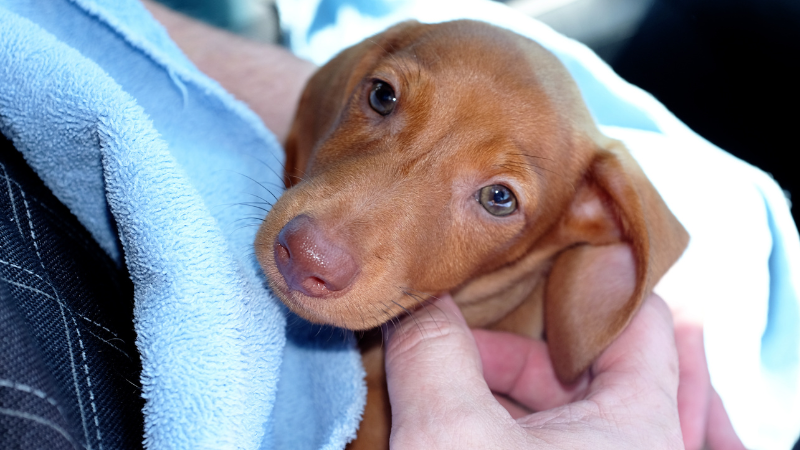
- Animal Shelters & Rescues: Many shelters in the UAE, such as K9 Friends or the Stray Dogs Centre UAQ, often have “Pit Bull type” mixes that have been abandoned or rescued. Adopting from these organizations is the most ethical and legal way to own one.
- Private Rehoming: Occasionally, existing owners who can no longer care for their dogs look for new homes. In this case, you can legally transfer ownership as long as the dog is already registered with the Dubai Municipality.
The Cost of Ownership
- Adoption Fees: Shelters typically charge an adoption fee ranging from AED 1,000 to AED 2,500. This usually covers the cost of microchipping, neutering/spaying, and initial vaccinations.
- Annual Registration & Health: Expect to spend between AED 1,500 and AED 2,500 annually on municipality registration renewals, mandatory vaccinations, and general health checkups.
- Monthly Maintenance (Diet): Feeding a high-quality Raw Diet (PMR) in the UAE costs approximately AED 500 to AED 900 per month, depending on the dog’s weight and activity level.
Avoiding Illegal Scams and Underground Markets
- No Papers, No Deal: Never take a dog that lacks a valid Dubai Municipality registration and vaccination record (the orange/yellow tag).
- Confiscation Risk: Owning an unregistered restricted breed puts you at risk of the dog being confiscated and facing fines ranging from AED 10,000 to AED 100,000.
- Genetic Risks: Underground breeders often ignore health testing for Hip Dysplasia and Heart conditions, which can lead to thousands of Dirhams in vet bills later on.