

Getting a puppy is one of the most exciting experiences for any dog lover. They’re cute, playful, and full of personality. However, as adorable as they are, puppies also bring a lot of responsibility. Many people focus on the fun moments but don’t realize how much work goes into raising a young dog.
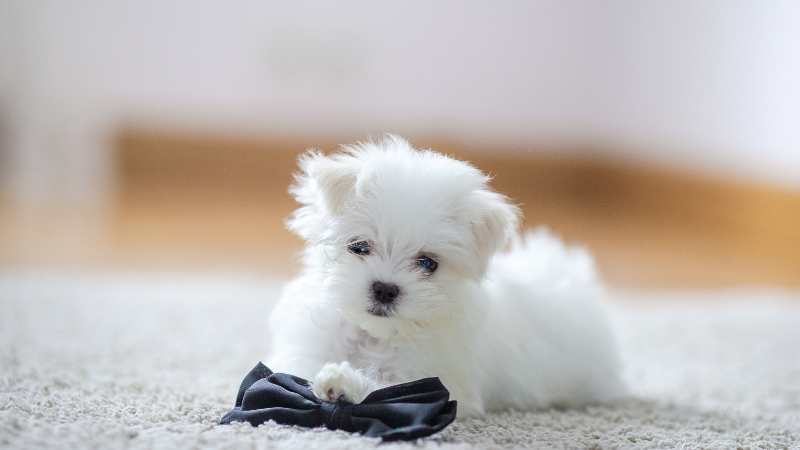
Before you decide to bring a puppy home, it’s important to understand what you’re signing up for. Knowing these challenges ahead of time will help you prepare and avoid disappointment later.
Puppy Depression is More Common Than You Think
One of the first things many new owners experience is something known as puppy depression. This doesn’t mean the puppy is depressed, it’s the owner who feels overwhelmed.
Many people picture themselves relaxing on the couch with their new puppy, expecting instant affection and constant cuddles. Instead, the puppy may prefer exploring the house or spending time alone in another room. This can make new owners wonder if they’ve made the wrong decision.
The truth is, this is completely normal. Your puppy has just entered a brand-new environment and needs time to adjust. Building trust doesn’t happen overnight, and training also requires patience. Rather than feeling buyer’s remorse, give your puppy the time they need to settle into their new home.
Feeding a Young Puppy Requires a Routine
Feeding a young puppy isn’t as simple as filling a bowl and leaving it out all day. Depending on their age and size, puppies may need to eat as many as four times each day.
Some owners believe free feeding is the easiest option, but it often creates problems. A puppy that always has access to food can easily overeat, increasing the risk of obesity.
There’s another challenge as well. Every meal is usually followed by a bathroom break. Without a proper feeding schedule, you’ll quickly find that house training becomes much more difficult. Keeping your puppy on a routine makes feeding and potty training much easier to manage.
Walking a Puppy is a Daily Commitment
Regular walks are an important part of raising a puppy. Whether it’s raining or snowing, your puppy still needs to go outside.
Most puppies come home at around ten weeks of age. At this stage, they usually need a walk or potty break every three to four hours. If you’re away from home for a full workday without someone available to help, caring for a young puppy can become very challenging.
While walking your puppy, it’s also important to avoid letting them play with other dogs while they’re both on a leash. Leashes can become tangled, accidents can happen, and it doesn’t encourage good leash manners. Instead, use walks as an opportunity to teach your puppy to stay calm and focused.
Caring for a young pup while managing a busy day can be tough. If you are struggling to find the time, Pawland is here to help. As a top-rated pet care provider, we offer reliable dog walking services tailored to your puppy’s needs.
Puppies Love Getting Dirty
If you don’t like cleaning up muddy paws, owning a puppy may surprise you. Many puppies enjoy walking through mud, rolling around in it, and coming home completely covered in dirt.
Bath time becomes part of everyday life with a puppy. Some dogs enjoy baths, while others don’t, so every experience will depend on your puppy’s personality.
It’s also important to remember that human grooming products should never be used on dogs. Dog-specific shampoos and dryers are designed for their skin and coat.
Bathing is only one part of grooming. Regular brushing and nail trimming are also necessary, making grooming an ongoing time commitment.
Crate Training Can Make House Training Easier
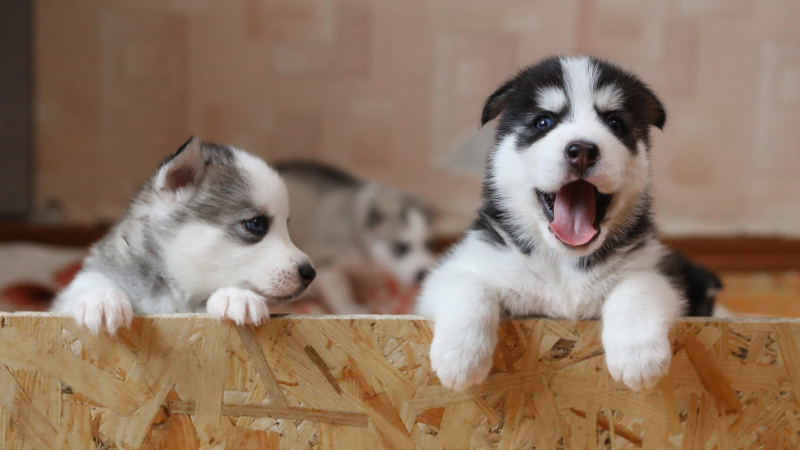
Crate training is one of the most effective ways to help with house training and prevent damage around the home.
Dogs naturally enjoy having a small, enclosed space where they feel safe. When introduced properly, the crate becomes a place where they can sleep, relax, and rest comfortably.
Because dogs naturally avoid soiling the place where they sleep, crate training can also make potty training much easier. Over time, many puppies become so comfortable that they choose to stay inside their crate even when the door is left open.