

Dog sitting is providing care for someone’s dog, usually in the dog’s own home or the sitter’s home, when the owner is away, covering feeding, walking, playtime, and companionship as a flexible, often in-home alternative to kennels, focusing on keeping the pet comfortable in familiar surroundings.
The purpose of dog sitting is to provide consistent care, companionship, and routine for a dog in a familiar environment (usually the owner’s home) when the owner is away, reducing stress, preventing separation anxiety, ensuring exercise/feeding/medication needs are met, and maintaining home security, offering peace of mind for the owner.
How Dog Sitting Works
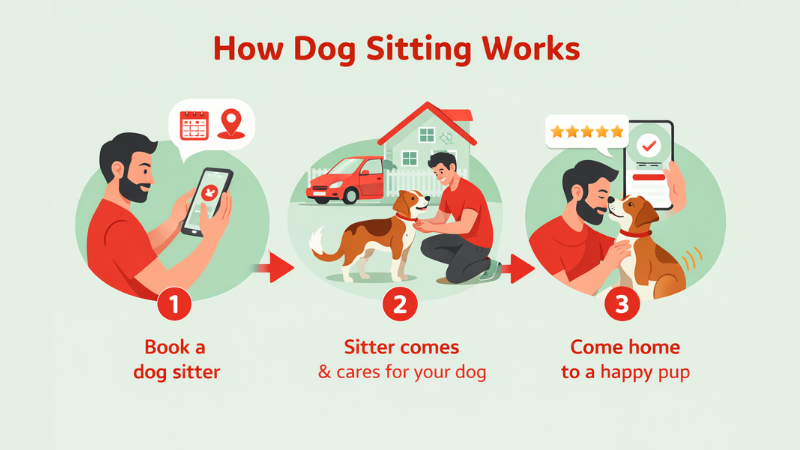
Dog sitting works by having a sitter provide care for a dog, usually in the dog’s own home, while the owner is away, covering basic needs like feeding, walking, and playtime, plus administering medication and providing TLC, often using apps or agencies to connect with clients for services ranging from drop-in visits to overnight stays.
The process involves a meet-and-greet to understand routines, detailed instructions for care, and regular updates for the owner, ensuring the dog stays comfortable in its familiar environment.
How It Works for Dog Owners
- Find a sitter: Use apps (like Pawland) or professional agencies (like Dog Sitters UAE) to find sitters.
- Initial meeting: Have the sitter meet you and your dog to discuss routines, food, vet info, and your dog’s personality.
- Provide details: Leave clear instructions for feeding, medication, exercise, and emergency contacts.
- During your trip: The sitter visits or stays, following the routine, feeding, walking, playing, and keeping the house tidy.
- Get updates: Receive photos, texts, or updates from the sitter.
Who Dog Sitting is For
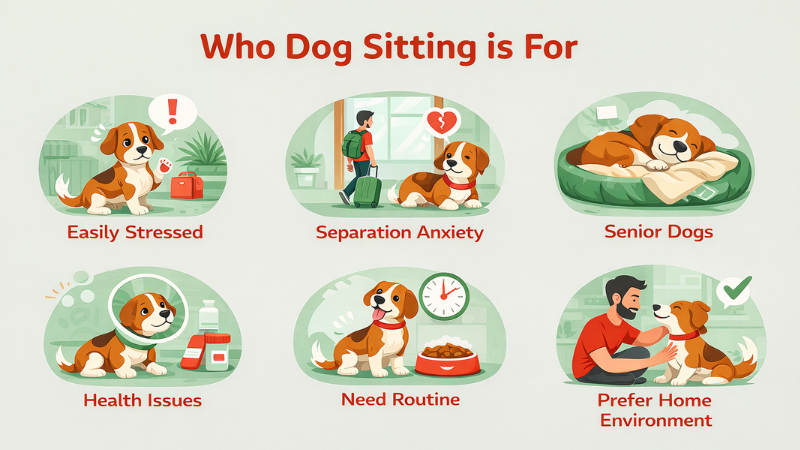
Dog sitting is for owners who need reliable care for their pets while away, especially for dogs who get stressed in new places, have separation anxiety, are elderly, have health issues, or need a consistent routine, offering personalized, in-home attention as a less stressful alternative to kennels
Who Provides Dog Sitting Services
Dog sitting services are provided by large online platforms (like Pawland), local professional companies, independent sitters found via apps, and even through house-sitting networks, offering options from in-home care and boarding to dog walking and drop-in visits, with varying levels of vetting and insurance.
Who is a dog sitter?
A dog sitter is a trusted person who provides care for someone’s dog(s) while the owner is away, ensuring their needs for feeding, walking, playtime, and companionship are met, often in the dog’s own familiar home environment to minimize stress. They handle daily tasks like giving food, water, potty breaks, and administering medication if needed, functioning much like a pet babysitter for a short period.
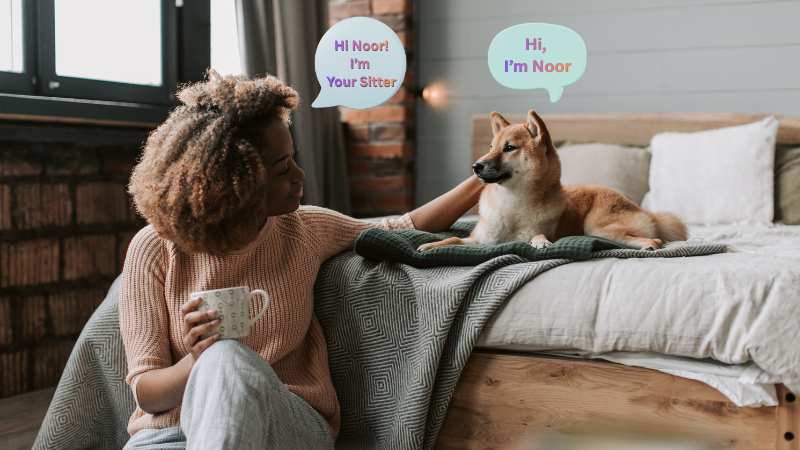
What does a dog sitter do?
A dog sitter provides care for a dog when its owners are away, offering essential services like feeding, walking, playtime, and administering medication, often in the dog’s familiar home environment to maintain routine and reduce stress.
Core Responsibilities:
- Feeding & Hydration: Providing scheduled meals and fresh water, including special diets.
- Exercise & Play: Taking dogs for walks, playing with them, and providing mental stimulation.
- Potty Breaks: Letting dogs out and cleaning up after them.
- Medication: Administering any necessary medications as instructed.
- Companionship: Offering affection and attention to prevent loneliness.
- Safety & Security: Ensures the dog’s safety, security, and well-being while the owner is away.
Why Dog Sitting Makes Everyone Happy in the UAE
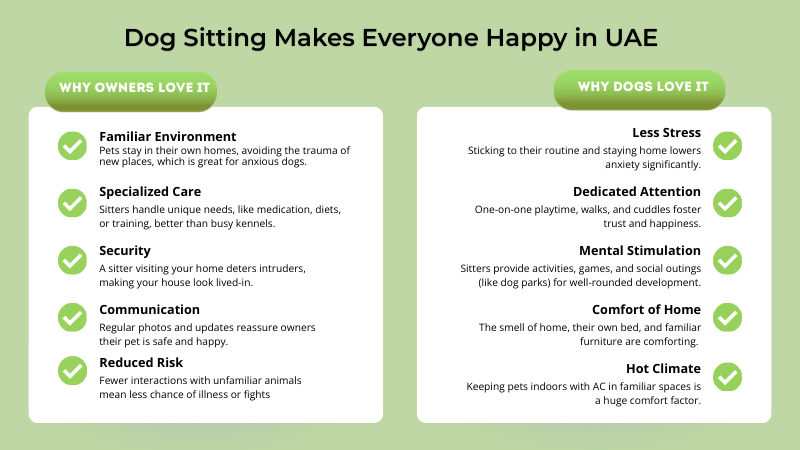
Dogs sitting bring peace of mind to owners and joy to pets. With professional dog sitters from Pawland, owners can travel or work knowing their dogs are safe, well-fed, and loved. Dogs enjoy companionship, exercise, and attention, keeping them happy and active.
Why owners love dog sitting in the UAE
Dog owners in the UAE love using professional dog sitting services because they provide a stress-free, personalized alternative to traditional, often crowded, boarding kennels. These services are particularly valued for maintaining a dog’s routine in their own familiar environment, especially during hot, busy, or travel-heavy periods.
Why Dogs love dog sitting in the UAE
Dogs love dog sitting in the UAE because professional sitters provide tailored care, consistent routines, and crucial exercise in climate-controlled environments or desert trails, reducing stress and preventing boredom or health issues common with the heat, while offering stimulating activities like park visits and maintaining familiar home settings.
For many dogs, it’s a chance for personalized attention, socialization, and relief from the intense desert climate.
What Does Dog Sitting Include?
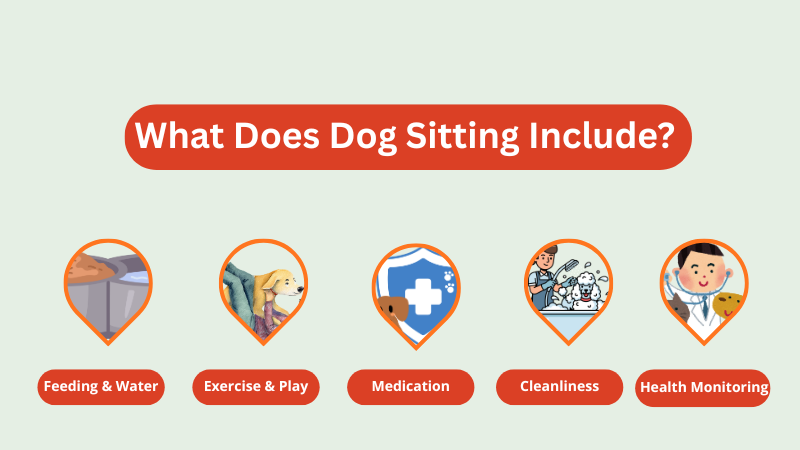
Dog sitting involves comprehensive care for a dog in their own home or the sitter’s home, acting as a temporary guardian to maintain the dog’s normal routine and well-being.
Based on the topics you listed, here is what professional dog sitting typically includes:
- Feeding and Water Management
- Special Diet and Allergy Handling
- Walking and Exercise
- Weather-Based Activity Adjustments
- Playtime and Mental Stimulation
- Companionship and Supervision
- Toilet and Potty Care
- Crate and Sleeping Arrangements
- Medication Administration
- Medical and Recovery Care
- Grooming Assistance (Basic)
- Cleaning and Hygiene Maintenance
- Daily Routine Management
- Behavioral Monitoring
- Health and Wellness Check
Benefits of Dog Sitting
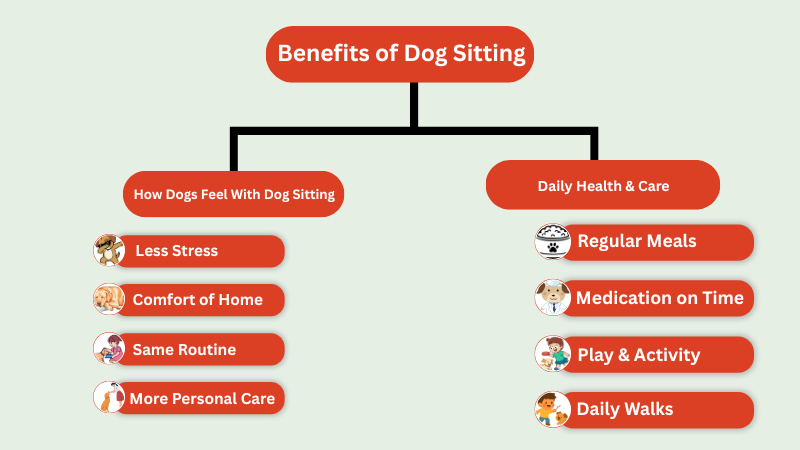
Dog sitting benefits pets by reducing stress through familiar surroundings, maintaining routines, and providing personalized attention, while also offering owners peace of mind and extra home security, all with minimized exposure to illnesses from boarding. It ensures consistent exercise, food, medication, and playtime, keeping pets happy and healthy in their own home.
Is dog sitting safe in the UAE?
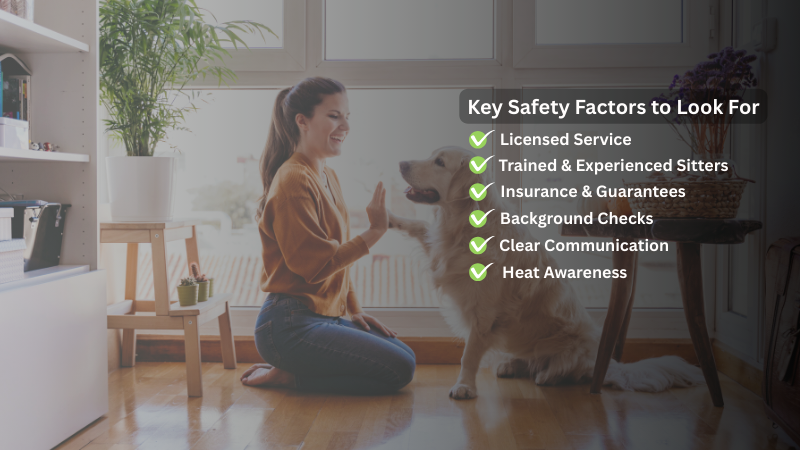
Yes, dogs sitting in the UAE can be very safe, but it requires diligence to choose a licensed professional or company, especially given the extreme summer heat and UAE regulations. Opting for official services ensures sitters are background-checked, insured, trained in pet first-aid, and follow legal standards, preventing risks like unlicensed freelancers and ensuring your pet gets proper care, from exercise (timed for cooler hours) to emergency response.
Key Safety Factors & What to Look For:
- Licensing
- Training & Experience
- Insurance & Guarantees
- Background Checks
- Communication
- Heat Awareness
Health, Hygiene, and Safety in Dog Sitting
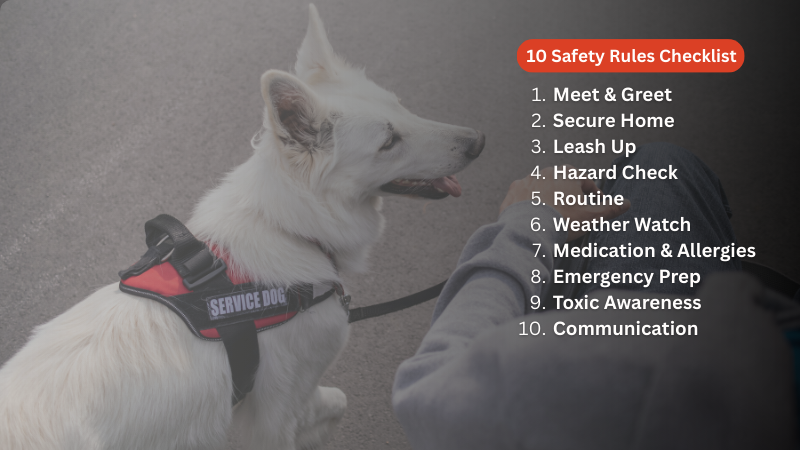
Maintaining health, hygiene, and safety is the paramount responsibility of a dog sitter, requiring proactive daily monitoring, strict adherence to routines, and preparedness for emergencies. Key practices include daily behavioral and physical checks, careful medication administration, maintaining a sanitary environment, and having a pre-approved emergency veterinary plan.
- Daily Health Observation
- Illness and Injury Monitoring
- Medication Safety and Timing
- First-Aid Awareness
- Emergency Handling and Preparedness
- Veterinary Visit Coordination
- Hygiene and Sanitation Practices
- Dog-Proofing and Environmental Safety
Rules, Ethics, and Professional Standards
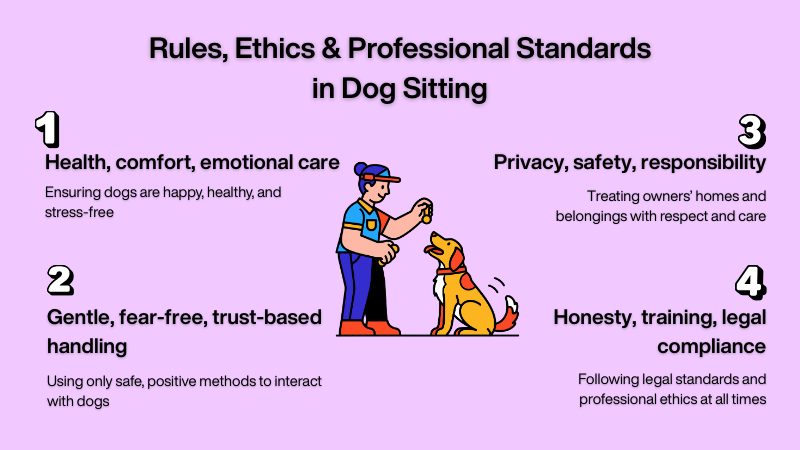
Rules, ethics, and professional standards in animal care are designed to ensure the physical and mental well-being of animals while maintaining public trust, safety, and accountability. These standards are underpinned by a “duty of care” that requires professionals to treat animals with compassion, dignity, and respect, often guided by the Five Freedoms or Five Domains frameworks.
1. Animal Welfare Standards
Ensuring animals receive proper food, clean water, safe shelter, medical care, comfort, and emotional well-being to maintain a healthy and stress-free life.
2. Ethical Handling Practices
Handling animals gently and respectfully using humane, force-free methods that reduce fear, stress, and the risk of injury while building trust and confidence.
3. Respect for Owner Property
Protecting client privacy, maintaining confidentiality, and taking responsible care of their home, belongings, and personal property during service delivery.
4. Professional Conduct Guidelines
Maintaining honesty, professionalism, responsibility, ethical behavior, and continuous learning while working within personal skills, training, and legal limits.
Dog Sitting Based on Dog Characteristics
Dog sitting services are increasingly specialized to cater to the unique personality, age, and health requirements of individual dogs. Tailored care, whether in the owner’s home or a sitter’s home, ensures the dog’s safety and comfort.
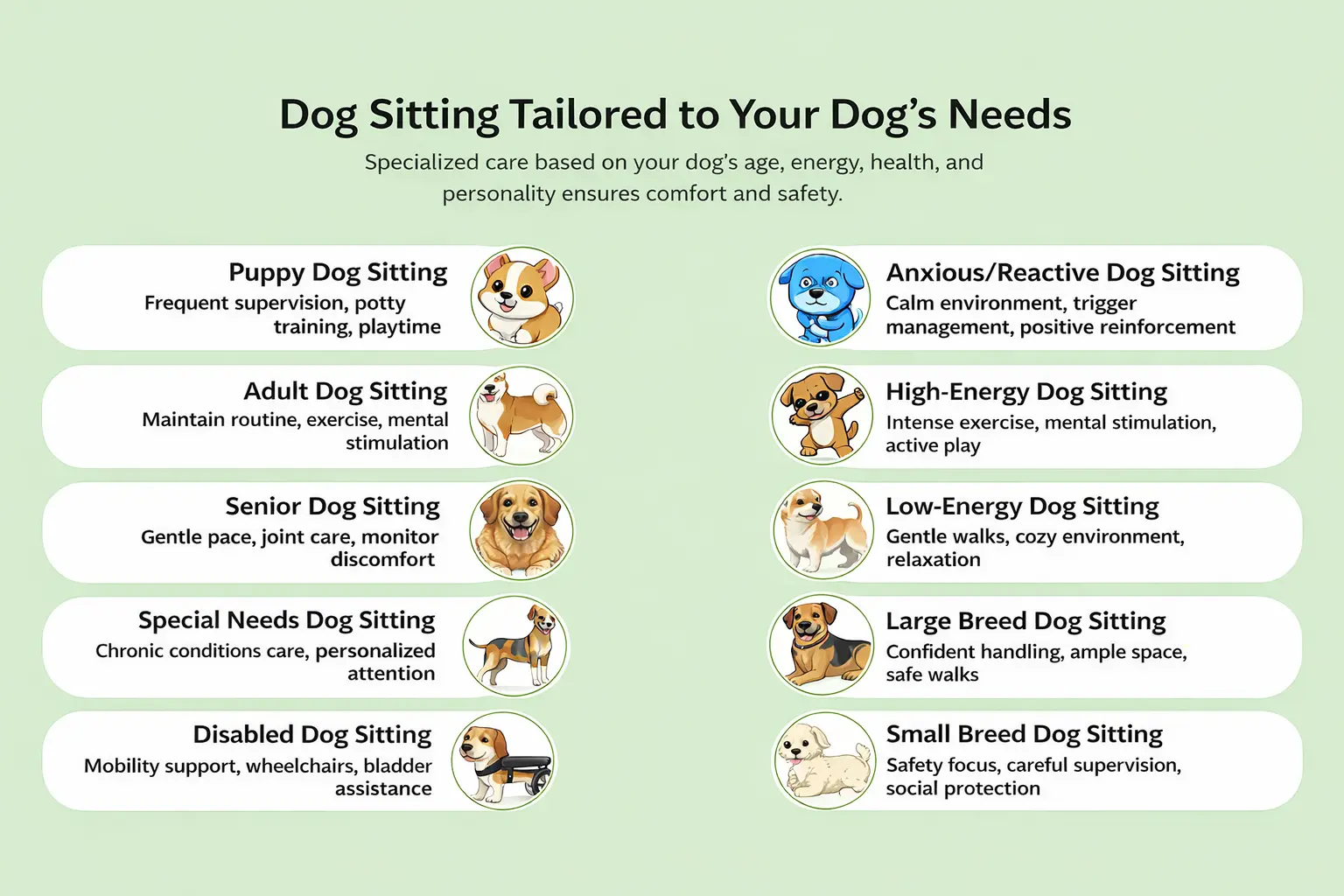
- Puppy Dog Sitting: Requires frequent, high-intensity supervision, adhering to strict potty training schedules, and engaging in developmental playtime.
- Adult Dog Sitting: Focuses on maintaining established routines, providing consistent exercise, and ensuring mental stimulation based on the dog’s breed and energy level.
- Senior Dog Sitting: Requires a slower, more patient pace, careful management of stiff joints or mobility issues, and monitoring for signs of discomfort or dementia.
- Special Needs Dog Sitting: Involves carers who are experienced in managing chronic conditions, such as diabetes or heart conditions, and can provide personalized attention.
- Medicated Dog Sitting: Necessitates a sitter comfortable with administering medication, including pills, injections, or special topical treatments, and monitoring for side effects.
- Disabled Dog Sitting: Requires expertise in assisting with mobility, such as supporting a dog with a harness, managing a pet in a wheelchair, or expressing bladders for paralyzed pets.
- Anxious or Reactive Dog Sitting: Utilizes specialized care, such as in-home sitting, to avoid the stress of kennel environments. Sitters often use positive reinforcement, manage environmental triggers (like avoiding other dogs on walks), and provide calm, quiet spaces.
- High-Energy Dog Sitting: Focuses on intense physical exercise and mental stimulation, such as playing with puzzle toys, long walks, or, for some, active daycare environments.
- Low-Energy Dog Sitting: Ideal for older dogs or lazier breeds, this care focuses on gentle, short walks and providing a cozy, quiet, and comfortable environment for resting.
- Large Breed Dog Sitting: Requires a sitter confident in handling, walking, and restraining large, powerful dogs, as well as space for them to move comfortably.
- Small Breed Dog Sitting: Focuses on safety, particularly from environmental hazards, and often requires careful supervision during social situations with larger dogs.
Types of Dog Sitting Services
Dog sitting services include in-home care, overnight stays, drop-in visits, and specialized services like dog walking or daycare, ensuring pets receive attention in familiar surroundings or a comfortable, managed environment.
1. In-Home Dog Sitting
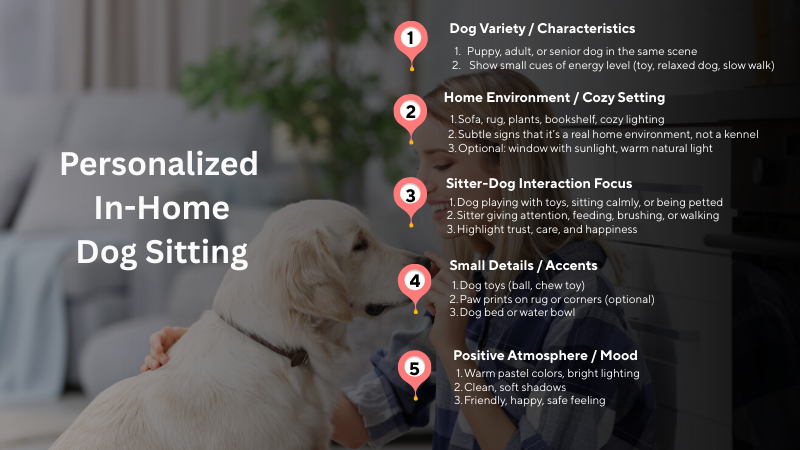
In-home dog sitting provides personalized care for pets in their own familiar environment, reducing stress, with options including daily visits or an overnight sitter staying in your home, often preferred for anxious dogs or maintaining routines
Key Benefits of In-Home Dog Sitting
- Reduced Stress and Anxiety
- Personalized, One-on-One Attention
- Consistency in Routine
- Health and Safety
- Home Security and Maintenance
- No Travel Stress
- Regular Communication
2. Dog Sitting at the Sitter’s Home
Operating a dog sitting service from a private home requires rigorous, multi-layered safety protocols to protect visiting pets, which may have higher anxiety in a new environment. Essential safety measures include maintaining secure, double-barrier entry/exit points, ensuring 1.5 to 1.8-meter high, gap-free fencing, and using proper, non-retractable leash and harness equipment.
3. Secure Entry and Exit Control
Use safe door and gate systems to stop pets from running outside. Always control entry and exit by blocking doors, using double barriers, training dogs to wait, and securing gates with strong locks.
4. Leash and Harness Handling
Use strong, fixed-length leashes and properly fitted harnesses for full control. Always double-check equipment, hold the leash safely, and use double leashing for dogs that are likely to escape.
5. Escape Prevention Protocols
Learn about the dog’s behavior, past escape history, and fear triggers in advance. Keep ID tags updated, manage stress triggers, and ensure safe transport using crates or seatbelts.
6. Indoor Safety Measures
Make the home safe by locking away harmful items, securing electrical wires and windows, and creating a calm, safe resting space for the dog.
7. Live-In Dog Sitting (House Sitting)

A sitter stays overnight at the owner’s home, offering constant supervision, care, and security, plus extra help with mail/plants.
8. Overnight Dog Sitting
A sitter stays the night (e.g., 7 PM – 7 AM) for feeding and companionship, but isn’t there all day like a live-in sitter.
9. Daytime Dog Sitting/Doggy Daycare
Care provided during the day, ideal for owners working long hours, often including play, potty breaks, and meals.
10. Drop-In Visits
Short, scheduled visits (e.g., 30-60 mins) for quick potty breaks, feeding, and check-ins, great for less needy pets or cats.
11. Hourly Dog Sitting
Sitters stay for a specific number of hours, offering more engagement than drop-ins but less than overnight stays.
12. Short-Term Dog Sitting
Covers periods from a few hours to a couple of days, often utilizing drop-ins or daytime care.
13. Long-Term Dog Sitting
For extended trips, this might involve live-in care or a combination of overnight stays and daytime visits.
14. Holiday Dog Sitting
Specialized care during busy holiday periods, often at a premium, covering any of the above types for festive times.
15. Multi-Pet Dog Sitting
Multi-pet dog sitting involves managing pack dynamics, establishing strict routines (feeding, walking, potty), preventing resource guarding (toys, food), ensuring individual needs are met (medication, anxiety), and maintaining separate spaces with gates/crates for each dog to avoid stress and conflict, requiring keen observation and calm management for a harmonious, safe experience.
16. Transportation and Mobility
Transportation and mobility dog sitting involves moving dogs safely and comfortably, often using specialized pet taxis or professional services for vet, groomer, or daycare trips, focusing on safety with restraints (crates/harnesses), calm handling for public transport, and care for seniors or anxious dogs, ensuring health checks and familiar items for stress-free journeys.
Cost of Dog Sitting

Dog sitting costs typically depend on factors like location, sitter experience, service type, duration, and your dog’s specific needs. Prices increase for overnight stays, special care (medication, training), multiple pets, and holidays, while longer stays may offer discounted rates. Professional sitters usually charge more due to insurance, training, and reliability, whereas hobby sitters are cheaper but may involve higher risk. Additional fees may apply for late-night care, transport, grooming, or complex care needs.
When to Choose Dog Sitting Services
Dog sitting services are an excellent alternative to traditional boarding, offering personalized care that keeps your pet in a comfortable, familiar environment. They are particularly beneficial for reducing stress and maintaining routine.
Here is when to choose dog sitting services based on your specific needs:
- Travel and Vacation
- Long Work Hours
- Special Needs
- Anxiety and Behavioral Issues
- Emergencies and Short-Notice Needs
- General Support and Household Care
How To Choose the Right Dog Sitter for Your Dog
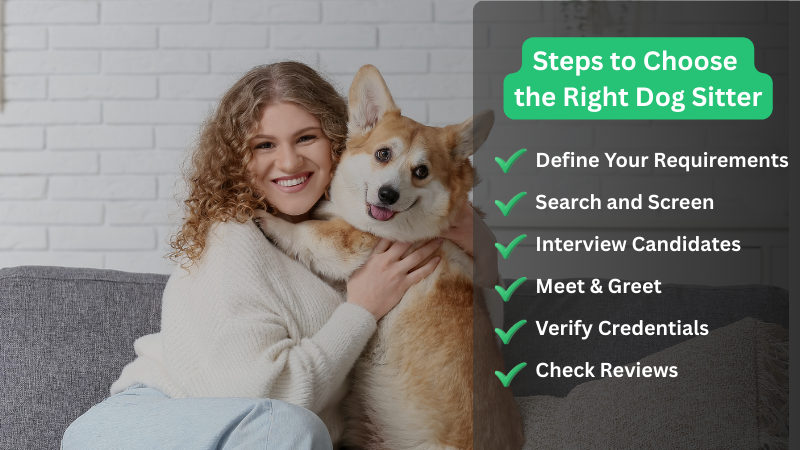
To choose the right dog sitter, start with referrals and online searches, then vet them by checking credentials (insurance, bonding, background checks, pet first aid/CPR), reading reviews, and ensuring tailored care for your dog’s needs (health, energy, personality). Choose a service type (in-home, boarding) that matches your pet’s needs, always do a meet-and-greet, and set clear expectations for routines and emergencies.
1. Search for a Sitter
- Recommendations: Ask friends, neighbors, your vet, or local rescues for trusted sitters.
- Online Platforms: Use reputable sites like Pawland or search for local professionals.
2. Read Qualifications, Licensing, & Background Checks
- Insurance & Bonding: Essential for liability and theft protection.
- Training: Look for Pet First Aid/CPR certification.
- Background Checks: Confirm they’ve passed criminal background checks.
- Experience: Check for experience with your dog’s breed, size, or specific needs (e.g., medical, anxiety)

3. Read Reviews & References
- References: Ask for at least three references from past clients.
- Online Reviews: Check reviews on their profiles or social media.
- Similar Pets: Look for reviews from owners with dogs similar to yours.
4. Tailor Care to Your Dog’s Needs
- Personality Match: Find someone patient, calm (for anxious dogs), or energetic (for active dogs).
- Routine: Ensure they’ll follow feeding, walking, and bedtime schedules.
- Special Needs: Verify they can handle medications or specific health issues.
5. Choose the Right Type of Service
- In-Home Sitter: Keeps your dog in their familiar environment.
- Boarding/Daycare: Good for social dogs, but check how many other dogs are present.
- Drop-Ins: Quick visits for less demanding dogs.
Choose the Right Dog Sitting Services for Your Dog
Choosing the right dog sitting service involves matching your dog’s specific needs (age, energy, medical) with a sitter’s experience (in-home care, boarding, drop-ins) by prioritizing vetting (insurance, background checks, references), communication (updates, detailed instructions), experience (similar pets, training), and conducting a meet-and-greet to observe their interaction and ensure comfort for both pet and owner.
Dog Sitting vs Dog Boarding
- Dog Sitting offers personalized, in-home care, keeping dogs comfortable in their familiar environment. It reduces stress, maintains daily routines, and provides one-to-one attention, making dogs feel safe, relaxed, and happy.
- Dog Boarding involves staying in a kennel or facility, which can be stressful due to unfamiliar surroundings, noise, and limited personal attention, especially for anxious or sensitive dogs.
Dog Sitting vs Dog Daycare
- Dog Sitting offers personalized, in-home care, keeping dogs comfortable in their familiar environment. It reduces stress, maintains daily routines, and provides one-to-one attention, making dogs feel safe, relaxed, and happy.
- Dog Boarding involves staying in a kennel or facility, which can be stressful due to unfamiliar surroundings, noise, and limited personal attention, especially for anxious or sensitive dogs.
Dog Sitting vs Kennels
- Dog Sitting provides loving, one-to-one care in a familiar environment, helping dogs feel safe, calm, and comfortable while their owners are away.
- Kennels place dogs in shared, unfamiliar spaces, which can cause stress, anxiety, and reduced personal attention.
If you are still confused right now about how to choose the right dog sitter, this guide is for choosing the best dog sitter in the UAE
Top 4 Dog Sitting Companies in the UAE
Top dog sitting companies in the UAE include Pawland, known for award-winning, trusted in-home care, PetBae, a large app connecting owners with verified sitters, and platforms like PetBacker, offering reviews and insurance for local sitters, alongside others like Happy Walk Pet Care, professional care for pets across various needs.
Here are some of the leading options:
1. Pawland
An award-winning agency with a large network of certified, vetted sitters providing personalized, cage-free care in homes across the UAE, focusing on a stress-free experience.

2. PetBae
A popular app connecting you to a vast community of experienced and verified pet sitters and groomers for trusted, home-based care.
3. PetBacker
A platform to find and book local sitters, featuring community reviews and security with insurance, connecting you with sitters and others.
4. Happy Walk Pet Care
Offers structured pet care services, including walking and sitting, with transparent hourly and package rates for consistent, reliable service.
Prepare for Dog Sitting in the UAE
Preparation for a dog sitter involves organizing essential information, securing your living space, and helping your dog adjust to your absence.
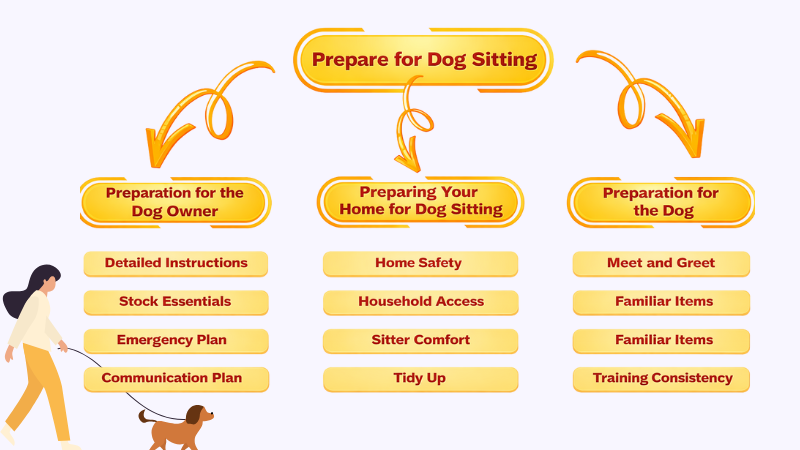
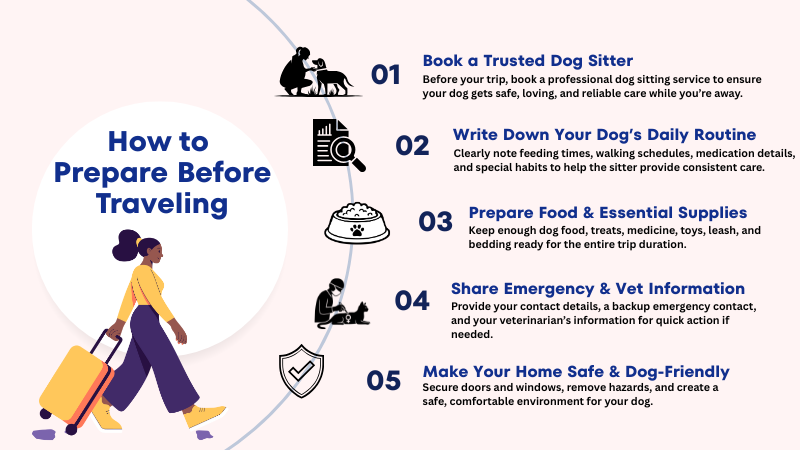
Preparation for the Dog Owner
As the owner, your primary task is to provide clear instructions and stock up on supplies for the duration of your trip.
- Detailed Instructions: Create a written guide covering feeding (portion sizes, meal times), walk schedules, medication dosages, and behavioral quirks.
- Stock Essentials: Ensure you have enough food, treats, and medications to last 1.5 times the length of your stay to account for potential delays.
- Emergency Plan: Leave contact information for your primary vet and a 24/7 emergency clinic. Provide a backup local contact and a signed medical treatment authorization form so the sitter can make urgent health decisions if you are unreachable.
- Communication Plan: Agree on how often you want updates (e.g., daily photos via text).
Preparing Your Home for Dog Sitting
Ensure your home is safe for the dog and functional for the sitter.
- Home Safety: Secure hazardous items like cleaning supplies, medications, and toxic plants. Check that all gates and fences are escape-proof.
- Household Access: Provide keys, garage codes, and alarm instructions. Note the location of the WiFi router, circuit breakers, and water shut-off.
- Sitter Comfort: For overnight stays, provide fresh linens and towels, and clarify which areas or food items are off-limits.
- Tidy Up: Clear clutter to prevent the dog from chewing on shoes or remote controls while stressed.
Preparation for the Dog
Help your dog feel secure with the transition by maintaining their comfort and familiarity.
- Meet and Greet: Introduce the sitter to your dog beforehand so they are not a stranger upon arrival.
- Familiar Items: Leave out the dog’s favorite toys and a blanket or t-shirt with your scent to provide comfort.
- Exercise and Calm: Give your dog a long walk or play session before you depart to help them relax. Avoid a dramatic goodbye, as high energy can increase the dog’s anxiety.
- Training Consistency: Inform the sitter of any ongoing training commands or house rules (e.g., no dogs on the couch) so they can maintain boundaries.
Dog Sitting Agreements and Policies
Dog sitting agreements and policies mean the rules and conditions that both the pet owner and the dog sitter must follow. These rules clearly explain when the service will start and end, how much it will cost, and how payment will be made. They also tell what to do if the booking is canceled. Pet owners must share correct details about their dog, such as food habits, health problems, medicines, and behavior. The policy also gives permission to take the dog to a vet in an emergency. Overall, these rules help avoid confusion, protect the dog, and build trust between the owner and the sitter.
Choosing and Verifying a Dog Sitter
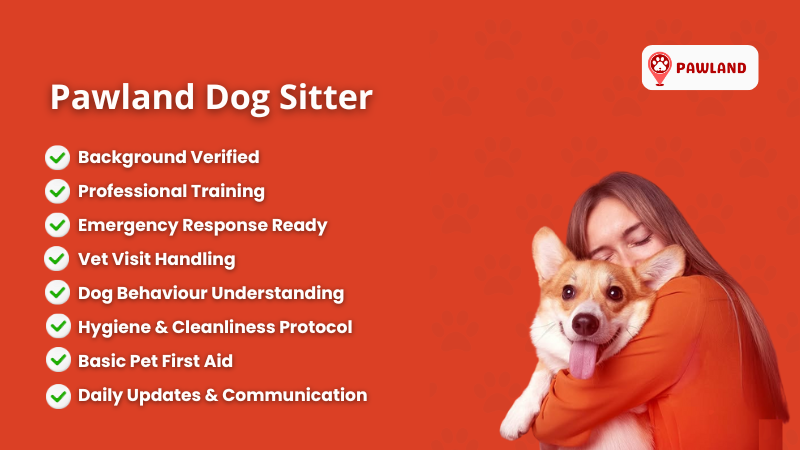
Choosing and verifying a dog sitter is a critical process to ensure the safety, health, and happiness of your pet, as well as the security of your home. A professional sitter should have experience, proper training, verified reviews, and a clear plan for emergencies.
Here is a guide to choosing and verifying a dog sitter based on key factors:
- Experience and Background
Look for sitters with experience caring for dogs with similar temperaments, sizes, or medical needs to yours. Inquire about their experience with handling emergencies, behavioral training, or administering medication.
- Training and Certifications
A key certification is specialized Pet First Aid and CPR, which indicates the sitter can handle emergencies like choking or injuries. Certifications in animal behavior or, for boarding, are beneficial.
- Meet-and-Greet Sessions
A “meet and greet” is essential to observe how the sitter interacts with your dog and to see if your pet feels comfortable with them. Notice if the sitter approaches your pet calmly and if your dog seems relaxed. A good sitter will let the pet set the pace.
Use this time to go over feeding, walking, medication routines, and to show them where supplies are kept. If it is in-home boarding, ensure the sitter’s home is secure, escape-proof, and hazard-free.
- Trial Dog Sitting
Before a long trip, schedule a “trial run,” a short visit or a one-day, test-overnight stay to see how your dog adjusts and to ensure the sitter is a good fit. After the trial, assess if your pet was happy and if the sitter followed all instructions.
- Reviews and Testimonials
Look for specific, detailed reviews on platforms like Pawland or Google rather than just a high rating. Search for recurring themes regarding punctuality, communication, and how they handled specific needs, such as high-energy or senior dogs. Look for tagged photos or posts from other clients to verify their experience.
- Trust and Reliability Factors
Ensure the sitter is insured (covers accidents/negligence) and bonded (protects against theft). A reliable sitter should provide regular updates, such as photos and texts, while you are away. Confirm that the sitter has a backup plan or a designated person to take over in case of an emergency.