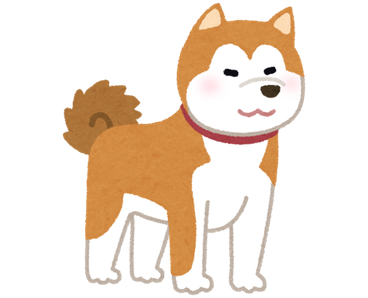


The Akita is a powerful, heavy-boned dog breed featuring a plush double coat, erect triangular ears, and a tightly curled tail. The lineage is split into the traditional, fox-like Japanese Akita Inu and the heavier American Akita. Naturally independent, quiet, and protective, the breed maintains strict coat standards including red fawn, sesame, brindle, and white, all requiring distinct light “urajiro” markings.
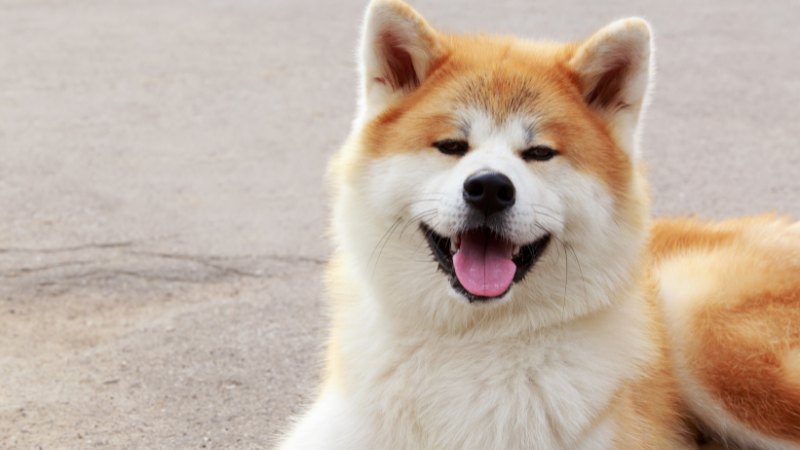
Originating as ancient Matagi hunting dogs in mountainous Japan, the breed survived 19th-century dogfighting crosses and near-extinction during World War II. Designated a National Monument in 1931, the Akita represents a profound cultural symbol of loyalty, immortalized by the faithful dog Hachiko. Today, the breed is highly revered, and Akita figurines are traditionally gifted to wish health and good fortune to newborns and the sick.
Appearance and Physical Characteristics
The Akita is a large, powerful, and sturdy spitz-type dog known for its noble and bear-like appearance. Originally from Japan, they are muscular and balanced, characterized by a thick double coat, a high-set curled tail, and an alert, intelligent expression.
Physical Characteristics
- Size: Akitas are heavy-boned and substantial.
- Males: 26–28 inches tall and 100–130 pounds.
- Females: 24–26 inches tall and 70–100 pounds.
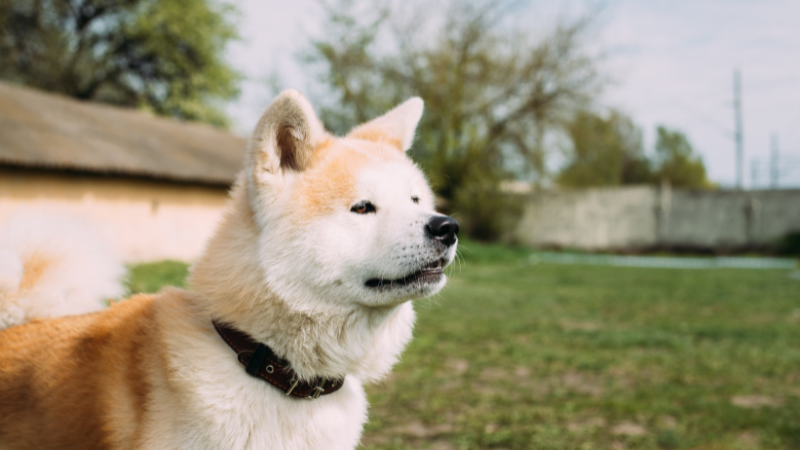
- Head: Massive and broad, forming a blunt triangle when viewed from above, with a distinct, shallow furrow running up the forehead.
- Eyes: Small, dark, deep-set, and triangular.
- Ears: Small, thick, triangular, and strongly erect, tilting forward in line with the back of the neck.
- Tail: Large, thick, and plush, carried over the back in a tight, single, or double curl.
- Body: Slightly longer than they are tall, featuring a deep chest and level back.
- Coat: Thick, dense double coat designed for cold climates. The undercoat is soft, while the outer coat is straight and coarse.
- Coloring: Akitas come in various colors, including white, red, fawn, sesame, and brindle. Many display the “urajiro” pattern—white markings on the cheeks, jaw, neck, chest, and limbs.
- Gait: The Akita moves with a powerful, confident, yet light gait.
Distinguishing Types (American vs. Japanese)
While sharing similar ancestry, the two main types have distinct appearances:
- American Akita: Generally larger and heavier-boned, often with black masks.
- Japanese Akita (Inu): More petite and lightweight, with a more fox-like, refined face, and they do not have black masks.
Akita Temperament and Personality
Loyalty and Protective Nature
The Akita is famously loyal and deeply devoted to its family. This breed forms strong bonds with its owner and is naturally protective. Akitas are alert and confident dogs, often acting as quiet guardians of their home. Their protective instinct makes early socialization important to ensure balanced behavior.
Behavior with Family and Children
Akitas can be affectionate and gentle with family members when properly trained and socialized from a young age. They usually prefer calm environments and respond well to respectful handling. Because of their strong personality, supervision is recommended when they interact with young children to ensure positive experiences for both the dog and the child.
Interaction with Other Pets
Akitas often have a strong prey drive and may not always get along with other dogs, especially of the same sex. Early socialization plays a key role in improving compatibility with other pets. With proper training, some Akitas can live peacefully in multi-pet households, but introductions should always be managed carefully.
Is Akita a Good Family Dog?
An Akita can be an excellent family dog for experienced owners who understand the breed’s independent and strong-willed nature. They do best with consistent training, clear leadership, and early socialization. For families who can provide structure, time, and commitment, the Akita can be a loyal, loving, and protective companion.
Feeding and Nutrition Plan
An Akita requires a high-protein, moderate-fat diet tailored for large breeds to support their dense muscle mass, protect joints, and prevent bloat. Since this breed is prone to food sensitivities and rapid skeletal growth, a structured feeding plan across life stages is essential.
Life-Stage Feeding Requirements
- Puppies (2 to 6 months): Divide their daily allowance into 3 to 4 meals per day. Feed a premium large-breed puppy formula to ensure a controlled growth rate. Fast growth can permanently damage their heavy skeletal structure.
- Adolescents (6 to 14 months): Transition them down to 2 meals per day. They will require a high volume of food during this peak growth period. Monitor their waistline closely to avoid excessive strain on developing hip joints.
- Adults (14+ months): Provide 5 to 6 cups of high-quality adult dry food daily, split strictly between 2 meals. Adjust the amount based on whether you own a lighter Japanese Akita (55-75 lbs) or a heavier American Akita (70-130 lbs).
- Seniors (7+ years): Decrease overall caloric intake to match a slower metabolism. Use a diet rich in vitamins C and E, glucosamine, and reduced phosphorus to protect their declining kidney function and stiffening joints.
Nutritional Profile Essentials
- Animal Protein: Look for real meat like lamb, turkey, or fish as the primary ingredient. Many Akitas thrive on lamb-based diets due to a lower risk of allergic skin reactions compared to chicken or beef.
- Healthy Fats: Incorporate moderate amounts of omega-3 and omega-6 fatty acids. Ingredients like salmon oil sustain their thick, plush double coats and reduce skin irritation.
- Digestible Carbs: Choose easily digestible options like brown rice, oats, or buckwheat over cheap fillers. Strictly avoid corn, wheat, and chemical preservatives, which commonly trigger digestive distress in this breed
Health Issues and Lifespan
The typical lifespan of an Akita dog is 10 to 14 years, which is surprisingly long for a large, heavy-boned breed. While they are generally powerful and robust, purebred Akitas are genetically predisposed to several severe health conditions that can impact their quality of life and longevity.
Critical & Life-Threatening Conditions
- Gastric Dilatation-Volvulus (GDV / Bloat): Their deep, narrow chests make them highly susceptible to the stomach filling with gas and twisting. This cuts off the blood supply and is fatal within minutes without emergency surgery.
- Cancer: As a major cause of death in older Akitas, they have an elevated risk for lymphoma (blood cancer) and aggressive bone tumors like osteosarcoma.
Joint & Orthopedic Issues
- Hip and Elbow Dysplasia: An inherited malformation of the ball-and-socket joints. It leads to friction, severe pain, limping, and early-onset arthritis.
- Cruciate Ligament Tears: Due to their large mass, excess weight puts massive strain on their knees, frequently causing hind leg ligament ruptures.
Autoimmune & Hormonal Disorders
- Hypothyroidism: A failure of the thyroid gland to produce sufficient hormones. Symptoms include rapid weight gain, extreme lethargy, and a dry, brittle coat. It requires lifelong daily medication.
- Sebaceous Adenitis (SA): A breed-specific autoimmune attack on the skin’s oil glands. It causes severe scaling, crusting, and patches of hair loss across the head and back.
- Uveodermatologic Syndrome (VKH): A complex condition where the immune system attacks its own pigment cells. It triggers painful eye inflammation, eventual blindness, and whitening of the skin, nose, and lips.
Ocular (Eye) Problems
- Progressive Retinal Atrophy (PRA): A cruel, inherited disease that slowly degrades the retina, leading to total blindness.
- Eyelid Deformities: Entropion (eyelids rolling inward) and Ectropion (eyelids rolling outward) cause constant corneal scratching, irritation, and dryness.
- Glaucoma: High pressure inside the eyeball that causes severe pain and immediate blindness if not treated as a medical emergency
Best Akita Dog Sitting Services in the UAE
Pawland offers professional, trusted, and convenient pet care solutions across the UAE, with experienced sitters, flexible booking options, and personalized attention.
Dog Sitting Services in the UAE
Our dog sitting services provide reliable in-home care across the UAE. Trained sitters ensure feeding, walks, playtime, and companionship in a familiar environment, helping reduce stress and separation anxiety for your dog.
In-Home Dog Boarding Services in the UAE
Our dog boarding services offer safe and comfortable home-style care when you travel. With supervised stays, regular feeding schedules, and personalized attention, your pet enjoys a secure and loving environment.
Dog Walking Services in the UAE
Our dog walking services ensure your pet stays active, healthy, and happy. Professional walkers provide scheduled walks, exercise routines, and outdoor time tailored to your dog’s energy level and needs.
Akita Puppy Guide
Raising an Akita puppy requires confident leadership, rigorous early socialization, and structured care due to their large size, independent nature, and strong guarding instincts.
1. Training & Critical Socialization
- Start immediately: Begin obedience training the day your puppy arrives home.
- Prioritize socialization: Expose them to new people, sounds, and environments between 8 to 12 weeks.
- Prevent dog aggression: Akitas have strong same-sex dog aggression tendencies. Socialize them carefully without using public dog parks.
- Keep sessions brief: Train in short 5-minute bursts to prevent your puppy from getting stubborn or bored.
- Use positive reinforcement: Reward desired behaviors with high-value treats and calm praise.
- Manage “mouthing” habits: Akitas love carrying items in their mouths. Provide sturdy chew toys to redirect teething.
2. Nutritional Requirements
- Large-breed formula: Feed high-quality puppy food optimized for large breeds to ensure controlled skeletal growth.
- High protein content: Select formulas listing whole meats like chicken or fish as the primary ingredient.
- Frequent meal schedules: Divide their daily food into 3 to 4 small meals to support their rapid development.
- Prevent life-threatening bloat: Avoid vigorous exercise for one hour before and after meals. Use slow-feeder bowls.
- Support joint health: Look for puppy food containing glucosamine and chondroitin to protect expanding joints.
3. Grooming & Coat Maintenance
- Frequent brushing: Brush their plush double coat 2 to 3 times a week to remove dead hair.
- Handle coat “blowing”: Expect intense shedding twice a year when they drop their entire undercoat. Brush daily during this period.
- Limit bathing frequency: Bathe once every 2 to 3 months using a gentle shampoo to protect natural skin oils.
- Desensitize handling early: Handle their paws, ears, and mouth frequently so adult grooming is stress-free.
- Basic hygiene routine: Clip nails every few weeks, clean ears weekly, and brush teeth daily.
4. Exercise & Mental Stimulation
- Protect growing joints: Avoid high-impact running or jumping until joints fully fuse around 15 to 18 months.
- Daily walk routine: Offer moderate daily walks, gradually increasing to 60 minutes as they grow.
- Provide secure spaces: Only utilize yards with secure, tall fencing due to their high prey drive.
- Prevent summer overheating: Limit exercise during hot periods since their dense coats trap intense body heat.
- Mental puzzle games: Deploy interactive puzzle toys to challenge their highly intelligent minds