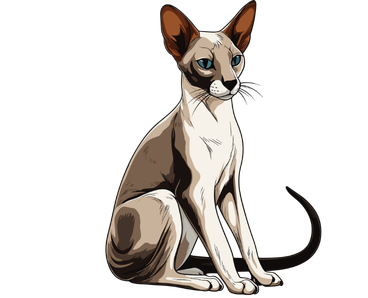


The Oriental Shorthair is an elegant, highly energetic, and exceptionally vocal cat breed developed from and closely related to the Siamese. They share the modern Siamese’s slender, athletic body, triangular head, and large ears, but feature a short, sleek coat available in over 300 different colors and patterns
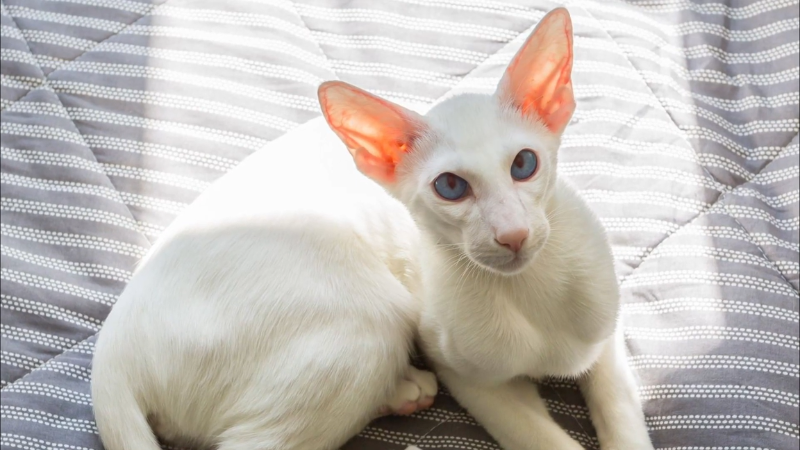
The Oriental Shorthair has become increasingly popular in the UAE due to its striking, elegant looks, affectionate “dog-like” loyalty, and suitability for apartment living. Because of their sleek, short coats, they handle the UAE’s climate well as long as they are kept in comfortable, air-conditioned indoor environments.
Oriental Shorthair Cat Appearance
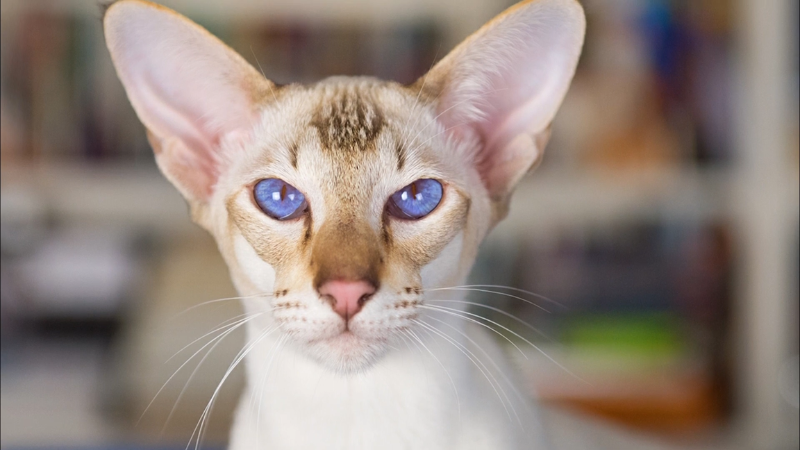
The Oriental Shorthair is a sleek, highly athletic cat related to the Siamese. They are recognized by their dramatic, exaggerated features, including massive “bat” ears, almond-shaped eyes, and a wedge-shaped head. Beneath their elegant and lean bodies, they are surprisingly muscular and heavy.
Key physical characteristics include:
- Head: Triangular and wedge-shaped with an elongated, perfectly straight profile from the top of the head down to the nose.
- Ears: Exceptionally large, wide at the base, and tapering to a fine point, forming a seamless continuation of the head’s triangle.
- Eyes: Medium-sized, almond-shaped, and usually a vivid, striking green, though white or pointed varieties can feature blue or odd-colored eyes.
- Body: Long, svelte, and tubular with fine bones and firm, sleek muscles.
- Legs & Tail: Exceptionally long and slim legs (with hind legs slightly longer than the front), paired with a long, thin whip-like tail.
- Coat & Colors: A very short, fine, and glossy coat that lies close to the skin without an undercoat. They come in over 300 color and pattern combinations, including solid shades, tabbies, smokes, and bicolors.
Oriental Shorthair Cat Personality and Temperament
The Oriental Shorthair is an exceptionally affectionate, highly energetic, and notoriously vocal cat breed closely related to the Siamese. Known as a “shadow cat,” they thrive on human companionship, actively craving attention, participating in daily household activities, and detesting being left alone for long periods.
Core Personality Traits
- Extremely Social & Clingy: They bond intensely with their families. You will often find them following you from room to room, riding on your shoulders, or snuggling under the covers in bed.
- Highly Vocal: Orientals are renowned for being chatty. They will carry on “conversations” with a wide range of meows, chirps, and unique honks to express their feelings or demand your attention.
- Intelligent & Playful: They retain their kitten-like energy and curiosity well into adulthood. They can often be taught to fetch or walk on a leash, and they require mental stimulation to prevent boredom.
Temperament
- Prone to Separation Anxiety: Because they love their humans so much, they do not cope well with isolation. An Oriental left alone for too long may become depressed or develop destructive habits.
- Great with Families and Pets: They get along wonderfully with other cats, cat-friendly dogs, and humans of all ages. However, because of their sensitive nature, they are best suited for households that understand cat body language rather than very young children.
- Active Supervisor: They don’t just live in your house; they manage it. They love to watch over whatever you are doing, from cooking in the kitchen to typing at your desk.
Oriental Shorthair Cat Lifespan
The Oriental Shorthair has an average lifespan of 12 to 15 years. With high-quality care, nutrition, and regular vet check-ups, these active cats often live to 15 or more, with some reaching up to 20 years of age.
Expected Life Stages
- Kitten & Junior: 0–2 years
- Prime: 3–6 years
- Mature: 7–10 years
- Senior: 11–14 years
- Super Senior: 15+ years
Common Health Considerations
While generally healthy, the breed is predisposed to certain genetic conditions. Being aware of these can help ensure a longer life:
- Heart Conditions: Hypertrophic cardiomyopathy (HCM) is one of the more common issues monitored in the breed.
- Renal Amyloidosis: A hereditary issue where abnormal protein deposits can lead to kidney failure.
- Eye & Dental Issues: Their large, prominent eyes require regular cleaning to prevent infections, and they are prone to dental diseases
Average Oriental Shorthair Cat Size and Weight
The Oriental Shorthair is a medium-sized breed known for its slender, muscular frame. On average, these cats weigh between 5 and 12 pounds (2.3–5.5 kg) and stand 8 to 10 inches tall. Males are generally larger at 8 to 12 pounds, while females are more petite at 5 to 8 pounds.
Key Size & Weight Breakdown
- Weight Range: 5 – 12 pounds (2.3 – 5.5 kg)
- Male: 8 – 12 pounds (3.5 – 5.5 kg)
- Female: 5 – 8 pounds (2.3 – 3.5 kg)
- Height: 8 – 10 inches (20 – 25 cm)
- Length: 12 – 18 inches (30 – 45 cm)
Growth Milestones
- 6 Months: 5 – 8 pounds (10–12 inches long)
- 9 Months: 8 – 10 pounds (12–14 inches long)
- Full Maturity: 8 – 12 pounds. Unlike some breeds, they mature slowly and may not fully develop until 18–24 months of age
Oriental Shorthair Cat Care Guide
Caring for an Oriental Shorthair requires meeting their high-energy, highly social needs. Because they lack a thick undercoat, keep them warm and indoor-bound. Feed portion-controlled, high-quality meals to maintain their lean frame, and provide abundant playtime and perches to keep them mentally and physically stimulated.
Nutrition & Feeding
- Portion Control: They are prone to weight gain, so avoid free-feeding. Serve small, frequent meals throughout the day.
- Diet: Provide a high-quality, protein-rich diet tailored to their active metabolism. Consult your vet to adjust portion sizes as they age.
Grooming & Hygiene
- Coat: Their short, sleek coat is low-maintenance. Weekly brushing is all that’s needed to minimize shedding and distribute natural oils.
- Ears & Eyes: Their large ears tend to trap wax. Check and clean them weekly with a cat-safe cleaner and a soft cloth. Gently wipe away any eye discharge.
- Dental Care: They can be prone to dental issues. Brush their teeth a few times a week with a cat-specific toothbrush and paste.
Social Needs & Health
- Companionship: They are highly dependent, vocal, and affectionate. They do not do well when left alone for long periods and thrive best with human attention or another pet.
- Health Monitoring: They are a generally healthy breed but can be susceptible to conditions like progressive retinal atrophy or respiratory issues.
Professional Oriental Shorthair Cat Care Services
Pawland is a top-rated, award-winning pet care company trusted by 1400+ pet parents across the UAE. From Dubai, Abu Dhabi, Sharjah, and JVC to Marina and Downtown Dubai, Pawland offers professional pet sitting, overnight care, in-home boarding, daycare, and personalized attention for Oriental Shorthair cats with trained and verified pet sitters.
Cat Sitting Services for Oriental Shorthair Cats
Our cat sitting services in the UAE are perfect for Oriental Shorthair cats that need daily attention, feeding, playtime, grooming support, litter cleaning, and companionship while owners are away. Pawland provides trusted one-on-one care across Dubai, Abu Dhabi, JLT, JBR, Marina, and other UAE locations.
In-Home Cat Boarding Services for Oriental Shorthair Cats
Pawland’s cat boarding services offer a safe, stress-free home environment for Oriental Shorthair cats in the UAE. With personalized care, 24/7 supervision, play sessions, feeding routines, and loving pet sitters, cats enjoy a comfortable stay across Dubai, Abu Dhabi, and nearby communities.
Best Diet for an Oriental Shorthair Cat
The best diet for an Oriental Shorthair is a high-protein, moderate-fat, and low-carbohydrate diet rich in real meat. Because these cats are highly active and slender, their diet must provide the dense calories and essential amino acids (like taurine) they need to maintain their lean, muscular physique.
Key Nutritional Needs
- High-Quality Animal Protein: Meat or fish should be the first ingredient. Avoid fillers like corn, wheat, and soy, which can trigger digestive sensitivities.
- Omega-3 & Omega-6 Fatty Acids: Crucial for keeping their fine, short single coats soft, shiny, and healthy.
- Dental Support: Oriental Shorthairs are prone to dental issues like gingivitis. Feeding a mix of wet food and texture-appropriate dry dental kibble can help reduce plaque buildup.
Optimal Food Types
- Wet / Fresh Food: Excellent for hydration and highly palatable. Premium, minimally processed foods mimic their natural, wild diet.
- Freeze-Dried Raw: A highly recommended option because it retains maximum nutrients with zero fillers.
- High-Quality Dry Food (Kibble): If you feed kibble, choose premium brands that imitate freeze-dried raw or feature specialized clean-protein formulas.
Feeding Schedule
- Controlled Portions: Avoid free-feeding. Oriental Shorthairs can become obsessive grazers, and excess weight stresses their fine-boned frames.
- Multiple Meals: Instead of leaving food out all day, feed 3 to 4 smaller meals a day.
- Food Puzzles: Use foraging toys or food puzzles to stimulate their active, intelligent minds during mealtime.
How to Keep an Oriental Shorthair Healthy
Keeping an Oriental Shorthair healthy requires daily play to satisfy their high intelligence, strict portion control to protect their slender frame, and dedicated dental care. Because they lack an undercoat, keep them warm indoors and brush their teeth weekly to prevent common breed-specific periodontal issues.
Diet & Weight Management
- Portion Control: They are enthusiastic eaters and can become obese. Do not free-feed, instead, serve multiple small, measured meals throughout the day.
- High-Protein: Provide a premium, meat-based diet to support their long, lean muscles.
- Mental Stimulation: Use food puzzles or foraging mats at mealtime to keep their sharp minds engaged.
Grooming & Hygiene
- Teeth Brushing: Oriental Shorthairs are highly prone to gingivitis. Brush their teeth several times a week with pet-safe toothpaste to avoid tartar buildup and internal infections.
- Low-Maintenance Coat: Their fine, silky coat lacks an undercoat and sheds very little. Brush them just once a week to distribute natural oils and remove dead hair.
- Clean Eyes & Ears: Wipe their eyes gently with a damp cloth to clear discharge and check their ears weekly for excess wax or redness.
- Litter Box: They are famously fussy about bathroom hygiene, keep the litter box spotless to avoid urinary or behavioral issues.
Environment & Emotional Health
- Indoor Warmth: Because they have no undercoat, keep them indoors during cold weather and ensure they have cozy, draft-free beds or heated pads to curl up in.
- Social Needs: This breed is incredibly chatty and hates being alone. They thrive in homes where someone is around often or if they have another pet companion.
- Vertical Spaces: Provide sturdy cat trees and interactive toys so they can burn off their high energy levels
Oriental Shorthair Cat Price in the UAE
An Oriental Shorthair cat in the UAE generally costs between AED 6,000 and AED 14,000. Because this is a rare pedigree breed in the region, prices vary heavily depending on the kitten’s age, lineage, and whether you are importing them from Europe or buying from a local licensed cattery.
Average Price Breakdown
- Pet Quality: AED 6,000 – AED 9,000
- Show/Breeding Quality & Champion Lines: AED 10,000 – AED 15,000+