



Finding out that your cat is pregnant is an exciting experience. While it’s natural to look forward to meeting the kittens, it’s just as important to make sure the mother stays healthy throughout her pregnancy. Fortunately, most cats go through pregnancy and give birth without major complications, but they still need proper care, good nutrition, and a safe environment. Knowing what to expect can help you feel more prepared and ensure both the mother and her kittens have the best possible start.
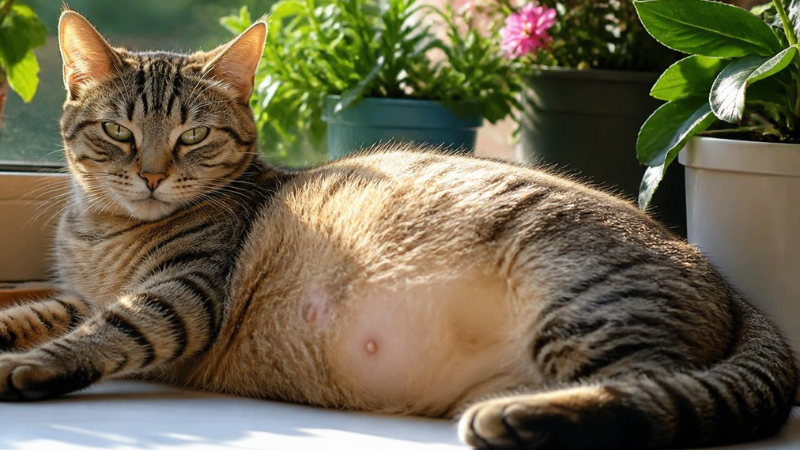
This guide covers everything you need to know about caring for a pregnant cat, from the first veterinary visit to looking after the kittens once they’re born.
Start With a Veterinary Checkup
As soon as you suspect your cat is pregnant, schedule a visit with your veterinarian. A full health check is the best way to make sure the pregnancy is progressing safely. Your veterinarian can identify any health problems that could affect the mother or her kittens, including infectious diseases, heart disease, or anatomical abnormalities that may cause complications during pregnancy or birth.
During the appointment, your veterinarian will also recommend appropriate preventive care for internal and external parasites if needed. They can estimate your cat’s due date and, if an abdominal ultrasound or X-ray is performed, may even be able to tell you how many kittens she is expecting. Having this information helps you prepare for the weeks ahead and gives you a better idea of what to expect when labor begins.
Feed a Diet Made for Pregnancy and Nursing
Pregnancy changes your cat’s nutritional needs. Unlike a healthy adult cat, a pregnant or nursing mother requires higher amounts of protein, calcium, and phosphorus to support both her body and her growing kittens. Feeding the right food during this stage is one of the most important parts of her care.
Choose a cat food that is specifically formulated for pregnancy, growth, and lactation. You can usually confirm this by checking the AAFCO nutritional statement on the packaging, which states that the food is complete and balanced for pregnant or lactating cats. It’s also normal for your cat’s appetite to change throughout the pregnancy. Some days she may eat more, while on other days she may seem less interested in food. Continue monitoring her appetite and make sure she always has access to enough nutritious food.
Prepare a Safe Nesting Area
Cats are pregnant for only about nine weeks, so it’s a good idea to prepare a nesting area before labor begins. A quiet, warm, and comfortable space will help your cat feel safe when it’s time to give birth. This area is often called a nesting box or queening box.
A simple cardboard box lined with clean towels and soft blankets works perfectly. Since birth can be messy, placing absorbent pads underneath the bedding can make cleanup easier while keeping the area comfortable for the mother and her kittens. If you don’t prepare a nesting area, your cat will likely choose one herself, and it may end up being somewhere less convenient, like a drawer or a closet. Providing a peaceful space ahead of time makes it much more likely that she’ll use it when labor begins.
Recognize the Signs of Labor
As your cat gets closer to giving birth, you may notice several changes in her behavior. One of the most common signs is a reduced appetite during the day leading up to labor. She may also become restless, pace around the house, or spend more time grooming herself than usual.
Some cats become unusually affectionate and want to stay close to their owners, while others simply look for a quiet place to settle down. If you’ve been monitoring her body temperature, you may also notice a slight drop before labor starts. These changes are all normal signs that your cat is getting ready to deliver her kittens.
Let the Birth Happen Naturally
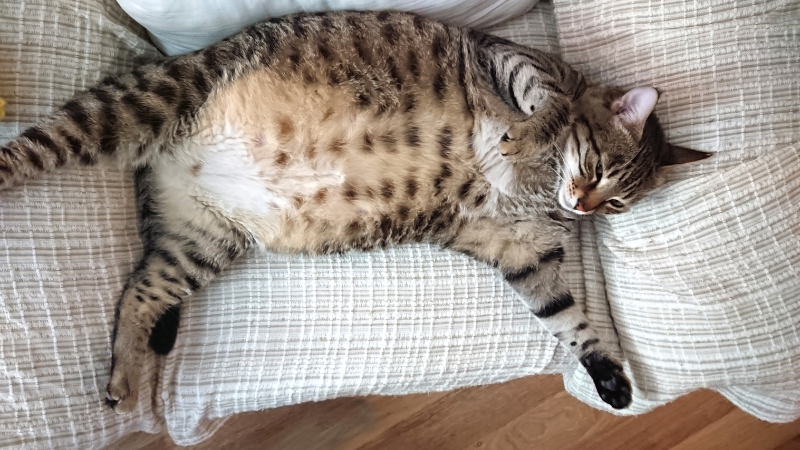
Once labor begins, the best thing you can do is stay calm and allow your cat to give birth naturally. Most cats do not need any assistance during delivery, and trying to interfere can actually make the experience more stressful for the mother. Instead, observe quietly from a distance while making sure she remains comfortable.
Typically, the first kitten is born within about 30 minutes after active labor starts. After that, each kitten usually arrives every 30 minutes to one hour. Depending on the size of the litter, the entire labor process may last anywhere from five to eight hours. However, if more than an hour passes between kittens, contact your veterinarian right away. This could be a sign of dystocia, or difficult labor, which requires veterinary attention.
Care for the Mother and Her Kittens
If everything goes smoothly, the mother cat will naturally begin caring for her kittens. Your role is simply to provide a clean, warm, and quiet environment where they can rest and bond without unnecessary disturbances.
Keep the nesting area dry by replacing dirty bedding whenever needed. Fresh food and clean water should always be available nearby because nursing mothers require plenty of nutrition to produce milk. It’s also best to avoid handling the kittens during their first couple of weeks. Once their eyes have opened, you can begin handling them gently while continuing to keep their environment clean and comfortable.
Watch for Health Problems After Birth
Even after a successful delivery, it’s important to continue monitoring the mother for any signs of illness. While many cats recover without problems, some may develop complications that require immediate veterinary care.
Contact your veterinarian if you notice continuous vaginal bleeding for several days after birth. You should also check the mammary glands regularly. If they become swollen, hot, painful, or red, it may indicate mastitis. Other warning signs include a poor appetite, drinking much more water than usual, or vomiting while nursing.