

As dogs grow older, their needs naturally change. You may notice your once-energetic companion sleeping more, moving a little slower, or taking extra time to climb stairs. While these changes are common, they don’t mean your dog can’t continue living a healthy and fulfilling life. With the right daily care, senior dogs can stay active, comfortable, and happy well into their golden years.
The key is adapting your dog’s routine as they age. A nutritious diet, regular low-impact exercise, routine veterinary care, and a comfortable home environment all work together to support healthy aging. By making small adjustments today, you can help prevent common age-related problems and improve your dog’s quality of life for years to come.
Feed Your Senior Dog the Right Diet
A balanced diet is one of the most important factors in keeping your senior dog healthy. As dogs age, they become less active and burn fewer calories, but they still need plenty of high-quality nutrients to maintain muscle, support their immune system, and keep their joints strong.
Choose a senior dog food made with lean protein, healthy fats, and easily digestible ingredients. Nutrients like omega-3 fatty acids, glucosamine, and chondroitin help support joint health, while antioxidants promote healthy aging and brain function.
A healthy senior dog diet should include:
- High-quality animal protein
- Omega-3 fatty acids
- Glucosamine and chondroitin
- Antioxidants
- Digestible carbohydrates
- Fresh drinking water
Expert Tip: Avoid overfeeding treats. Maintaining a healthy weight reduces pressure on aging joints and lowers the risk of diabetes and heart disease.
Keep Your Senior Dog Active Every Day
Regular exercise is just as important for older dogs as it is for younger ones. Daily movement helps maintain muscle strength, improves flexibility, supports heart health, and prevents weight gain. It also keeps your dog mentally stimulated and reduces boredom.
The goal isn’t intense exercise but consistent, low-impact activity. Instead of long hikes or vigorous play, choose activities that are gentle on your dog’s joints and easy to enjoy every day.
Safe activities for most senior dogs include:
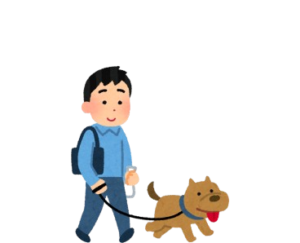
- Short daily walks
- Swimming
- Gentle games of fetch
- Indoor play sessions
- Light stretching exercises
Watch your dog’s body language during exercise. If they begin limping, pant excessively, or seem unusually tired, reduce the intensity and allow extra time to rest.
If your schedule makes it difficult to provide daily walks or regular exercise, professional dog walking services can help your senior dog stay active without disrupting their routine. A trained dog walker can adjust the pace and duration of each walk based on your dog’s age, energy level, and mobility, ensuring they get safe, consistent exercise even when you’re away.
Support Healthy Joints and Mobility
Joint stiffness is one of the most common challenges senior dogs face, but early care can make a big difference. Arthritis develops gradually, so subtle changes like slower walking, difficulty standing, or hesitation before jumping shouldn’t be ignored.
Keeping your dog at a healthy weight is one of the best ways to protect their joints. You can also make your home safer by reducing slippery surfaces and providing comfortable places to rest.
Simple ways to improve mobility include:
- Use an orthopedic dog bed.
- Place non-slip rugs on smooth floors.
- Install ramps where needed.
- Keep nails trimmed.
- Ask your veterinarian about joint supplements.
If you’re planning to travel, it’s equally important to choose a care option that supports your senior dog’s mobility and comfort. An in-home dog boarding service provides a quieter, home-like environment where older dogs can stick to their daily routine, rest comfortably, and receive personalized care without the stress of a busy kennel.
Schedule Regular Vet Checkups
As dogs age, they become more vulnerable to health conditions such as arthritis, diabetes, kidney disease, heart problems, and dental disease. Many of these issues develop slowly and may not show obvious symptoms until they become more serious. That’s why regular veterinary checkups are one of the most important parts of senior dog care.
Most veterinarians recommend a wellness exam every six months for senior dogs. Routine checkups can help detect health problems early, making treatment easier and improving your dog’s quality of life.
During a senior wellness visit, your veterinarian may recommend:
- A complete physical examination
- Blood and urine tests
- Weight monitoring
- Dental evaluation
- Vision and hearing checks
- Joint and mobility assessment
If your senior dog suddenly changes their eating habits, drinks more water than usual, or becomes less active, schedule a vet visit instead of assuming it’s simply due to old age.
Keep Your Dog Mentally Stimulated
Physical health is only one part of healthy aging. Keeping your dog’s mind active is equally important, especially as older dogs may experience age-related cognitive decline. Mental enrichment helps reduce boredom, supports brain function, and can even slow memory loss in some senior dogs.
You don’t need complicated activities to keep your dog engaged. Short training sessions, puzzle toys, and scent games are simple ways to encourage problem-solving while strengthening your bond.
Easy ways to provide mental stimulation include:
- Food puzzle toys
- Sniffing or scent games
- Short obedience training sessions
- Interactive toys
- Learning simple new tricks
Rotate your dog’s toys every few days instead of leaving them all out. New or “forgotten” toys often feel exciting again and encourage more interaction.
Create a Comfortable Home Environment
Small changes around your home can make everyday life much easier for an older dog. As mobility decreases, simple tasks like climbing stairs or walking across slippery floors may become difficult. Creating a safe and comfortable environment helps reduce stress while preventing injuries.
Focus on making your dog’s daily routine as easy as possible. A supportive bed, easy access to food and water, and secure footing throughout the house can significantly improve comfort.
Consider these simple home improvements:
- Use an orthopedic bed for better joint support
- Add non-slip rugs on hardwood or tile floors
- Place food and water bowls in an easy-to-reach location
- Use ramps for cars or furniture if needed
- Keep sleeping areas warm and quiet
Senior dogs often feel most comfortable in their own home, especially if they have mobility challenges or anxiety. When traveling, choosing a dog sitting service allows your dog to follow their normal routine, sleep in familiar surroundings, and receive one-on-one care without the stress of moving to a new environment.
Watch for Warning Signs of Health Problems
Many senior dogs naturally slow down, but some changes should never be ignored. Recognizing early warning signs allows you to seek veterinary care before a condition becomes more serious.
Contact your veterinarian if you notice any of the following:
- Loss of appetite
- Sudden weight gain or weight loss
- Difficulty standing or walking
- Persistent limping
- Drinking excessive amounts of water
- Frequent urination
- Chronic coughing
- Confusion or disorientation
- Bad breath or difficulty chewing
- Loss of interest in normal activities
Keep a simple journal of changes in your dog’s appetite, weight, and behavior. Small patterns are often easier to notice over time and can help your veterinarian identify potential health issues more quickly.
Daily Senior Dog Care Checklist
A simple daily routine can go a long way toward keeping your senior dog healthy and comfortable. Staying consistent with meals, exercise, grooming, and health checks helps you notice changes before they become serious problems.
Daily Task | Recommended Frequency |
Fresh water | Available at all times |
Balanced meals | 2 meals daily (or as advised by your vet) |
Light exercise | 20–30 minutes daily |
Mental enrichment | 10–15 minutes daily |
Grooming check | Several times a week |
Weight monitoring | Once a month |
Veterinary checkup | Every 6 months |
Growing older doesn’t mean your dog has to stop enjoying life. With a balanced diet, safe daily exercise, regular veterinary care, mental stimulation, and a comfortable home environment, you can help your senior dog stay healthy, active, and happy for many years.
Every dog ages differently, so pay attention to their changing needs and adjust their routine as necessary. The small choices you make each day, whether it’s taking a gentle walk, serving a nutritious meal, or scheduling a routine checkup, can make a lasting difference in your dog’s health, comfort, and overall quality of life.