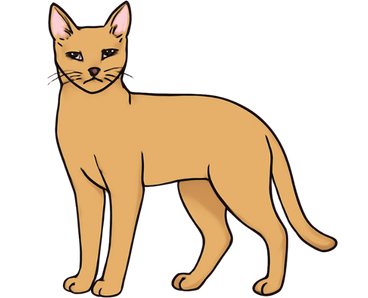


The Chausie cat is one of the most unique and eye-catching cat breeds in the world. With its tall, athletic body, long legs, and striking resemblance to a wild jungle cat, it’s easy to see why this breed attracts so much attention. Despite its wild appearance, the modern Chausie is known for being an affectionate, intelligent, and loyal companion when raised in a loving home.
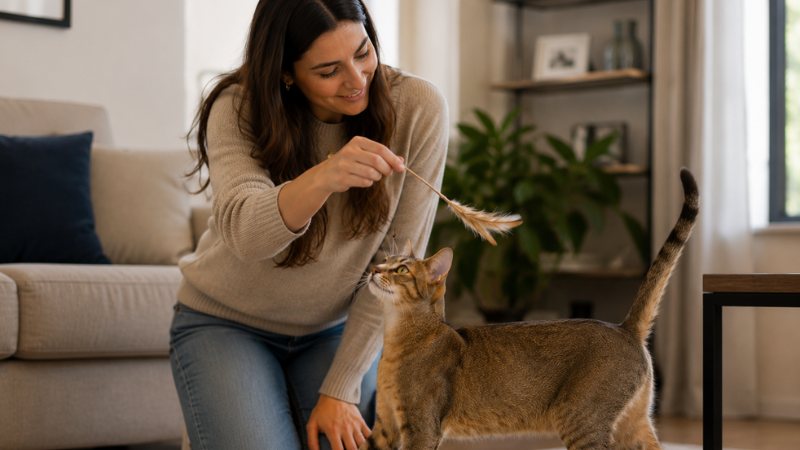
If you’re considering bringing a Chausie into your family, it’s important to understand its history, personality, care requirements, and whether this energetic breed matches your lifestyle.
The History of the Chausie Cat
The Chausie is a hybrid breed that traces its roots back to the jungle cat and domestic cats. Similar natural crosses are believed to have existed thousands of years ago in ancient Egypt, where jungle cats lived close to human settlements and hunted along canals and abandoned buildings.
Modern breeding efforts began during the 1960s when breeders started experimenting with hybrid cats that combined the appearance of wild felines with the temperament of domestic cats. As interest in the breed continued to grow, organized breeding programs were introduced during the 1990s.
The International Cat Association (TICA) officially recognized the Chausie in 1995, and the breed later earned championship status in 2013. Today, responsible breeders focus primarily on fourth-generation and later Chausies because these cats have a much more stable and fully domestic temperament than earlier generations.
Appearance
The Chausie is considered a medium-to-large cat with a lean yet muscular build. While it isn’t as large as a Maine Coon, it is noticeably bigger than many common domestic breeds, including the Siamese.
Adult males generally weigh between 11 and 16 pounds, while females usually weigh around 8 to 13 pounds. Most Chausies measure approximately 20 to 22 inches in length.
Their athletic body is one of their most impressive features. Long legs and powerful muscles make them excellent runners and jumpers, allowing them to leap as high as six feet. Their broad ears, high cheekbones, and slightly slanted oval eyes give them an alert, wild appearance.
The breed has a short to medium-length coat that requires very little maintenance. According to TICA breed standards, the accepted coat colors include solid black, black grizzled tabby, and black ticked tabby.
Personality and Temperament
The Chausie is often described as one of the busiest cat breeds because it rarely sits still for long. Thanks to its ancestry and selective breeding, this cat inherited high intelligence, curiosity, and a love for exploration.
Although Chausies become calmer as they mature, they never lose their playful nature. They enjoy climbing, chasing toys, and investigating everything around them. Their natural hunting instincts make interactive play an important part of their daily routine.
This breed also forms strong bonds with its family. Chausies are affectionate, loyal, and enjoy spending time with their owners. They generally behave like domestic cats despite sharing ancestry with wild jungle cats. Modern Chausies bred by responsible breeders are several generations removed from their wild ancestors, resulting in a much friendlier and more predictable temperament.
They usually welcome visitors rather than hiding from strangers and are not overly vocal. Instead of constant meowing, they often communicate with soft chirps or occasional meows when they want attention or food.
Living with a Chausie
One of the most important things to know about this breed is that it dislikes being left alone. A Chausie that spends long hours without companionship can become bored and start entertaining itself by climbing furniture, knocking objects off shelves, or scratching household items.
For this reason, many owners choose to keep another cat or even a dog as a companion. Chausies generally get along well with other pets when they are introduced at an early age.
They can also make excellent family pets. Their affectionate personality and playful nature allow them to bond closely with children, although interactions with very young kids should always be supervised, just as they should with any cat breed.
Looking for the Best Chausie Care?
Cat Sitting Services
In-Home Cat Boarding Services
Grooming and Care
Despite their energetic lifestyle, Chausies are relatively easy to groom. Their short coat sheds only moderately, so brushing once or twice a week is usually enough to remove loose hair and keep the coat healthy.
A complete grooming routine should also include regular nail trimming, dental care, ear cleaning, and occasional bathing when necessary.
Because this breed has such a high energy level, daily exercise is essential. Interactive toys, balls, feather wands, and climbing structures help satisfy their need for physical activity while preventing boredom.
Diet and Health
The Chausie inherited a shorter intestinal tract from its wild ancestors, making proper nutrition especially important. Diets containing large amounts of plant ingredients may not always be well tolerated, so many owners choose foods that are rich in animal protein and contain minimal plant-based fillers.
Overall, the Chausie is considered a healthy breed with relatively few inherited health problems. Digestive sensitivity remains the most commonly discussed concern, making a balanced, protein-rich diet and regular veterinary checkups important throughout the cat’s life.
With proper care, Chausies typically live between 10 and 15 years.