


The Chow Chow is a distinctive and ancient dog breed known for its lion-like appearance and calm, independent personality. It has a thick double coat, a broad head, small triangular ears, and a unique blue-black tongue that sets it apart from most other dogs. Chow Chows are typically loyal to their families but can be reserved or aloof with strangers. They are not overly energetic, making them suitable for quieter households, but they still require regular grooming and moderate exercise.
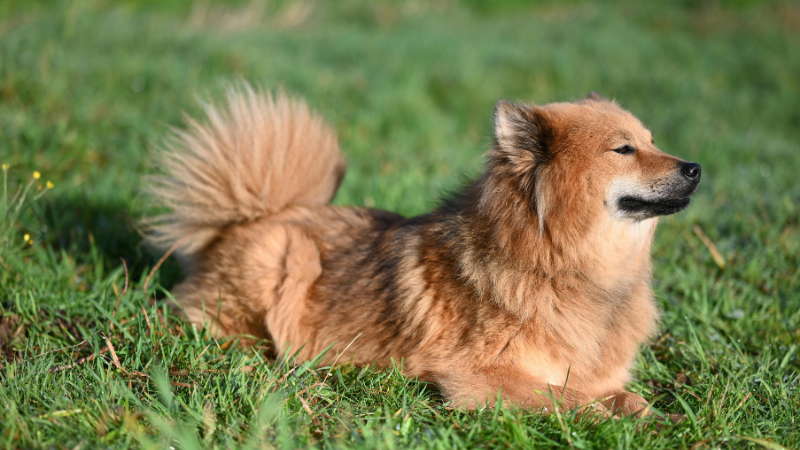
The Chow Chow is one of the oldest known dog breeds, with origins tracing back over 2,000 years to China. Historically, these dogs served multiple roles, including guarding homes, pulling carts, and even assisting in hunting. They were highly valued by Chinese nobility and were sometimes kept in imperial kennels during ancient dynasties.
Physical Appearance of Chow Chow
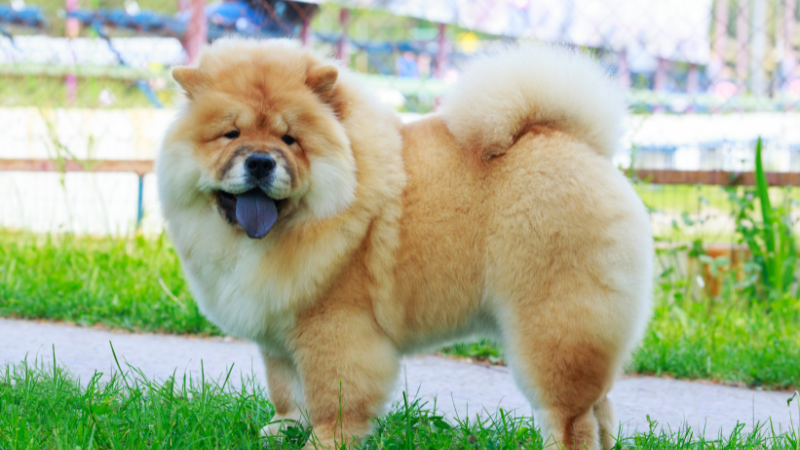
The Chow Chow is a distinctive, ancient breed known for its lion-like appearance, compact muscular body, and unique blue-black tongue. Often described as having a “scowling” expression, they are sturdy, medium-to-large-sized dogs with a profound, dense double coat.
Size, Weight, and Body Structure
- Height: Adults typically stand 17 to 20 inches (43–51 cm) at the shoulder.
- Weight: They usually weigh between 45 and 70 pounds (20–32 kg).
- Body Structure: The breed is known for its compact, square, and “close-coupled” body. They have a broad, flat skull and a short, deep muzzle.
- Key Features: A “lion’s mane” ruff of fur surrounds the head and shoulders, giving them a majestic appearance.
- Gait: Their rear legs have little angulation, resulting in a unique “stiff-legged” or stilted walk.
- Tail: The tail is set high and curled tightly over the back.
Thick Double Coat and Colors
Chow Chows have two distinct coat types, both of which are thick and insulating:
- Rough Coat (Most Common): Abundant, dense, and straight, with a soft, woolly undercoat and heavy ruff.
- Smooth Coat: A shorter, plush, dense variation without the long ruff or feathering.
- Colors: The coat comes in five solid colors: Red (light gold to deep mahogany), Black, Blue (dilute grey), Cinnamon (light fawn to deep cinnamon), and Cream.
- Grooming: Requires regular, often daily, brushing to prevent matting and heavy seasonal shedding.
Unique Blue-Black Tongue Feature
- Signature Mark: One of the most famous traits of the breed is its blue-black, purple, or bluish-purple tongue, mouth tissue, and gums.
- Development: Puppies are born with pink tongues, which turn blue-black by 8 to 10 weeks of age as melanin builds up.
- Breed Standard:) A pink, red, or spotted tongue in a mature Chow Chow is considered a fault or disqualification, indicating potential mixed lineage.
- Function: While sometimes thought to provide UV protection for the mouth, this trait is primarily a genetic marker.
Temperament and Personality Traits
Temperament refers to inborn, biologically-based traits influencing how individuals react to the world, visible from infancy and relatively stable over time. Personality is broader, incorporating temperament, learned behaviors, beliefs, and habits developed over time. While temperament is innate (genetic), personality is a mix of biology and experience.
Key Differences
- Temperament: Innate disposition, biological, visible early, hard to change (e.g., activity level, sensitivity).
- Personality: Acquired traits, developed over time, shaped by environment, values, and experience.
Core Temperament Traits (9 Identified by Research)
Research, particularly from Alexander Thomas and Stella Chess, highlights nine key traits:
- Activity Level: Physical energy levels.
- Regularity: Regularity of biological functions like sleep and appetite.
- Initial Reaction: How a child approaches new stimuli (e.g., approach vs. withdrawal).
- Adaptability: How quickly a child adjusts to changes.
- Intensity: Energy level of responses (positive or negative).
- Mood: Overall positive or negative outlook.
- Distractibility: Ease with which a task is interrupted.
- Persistence: Continuing a task despite obstacles.
- Sensory Threshold: The amount of stimulation needed to get a reaction.
Why Chow Chow Dogs Are So Popular in the UAE 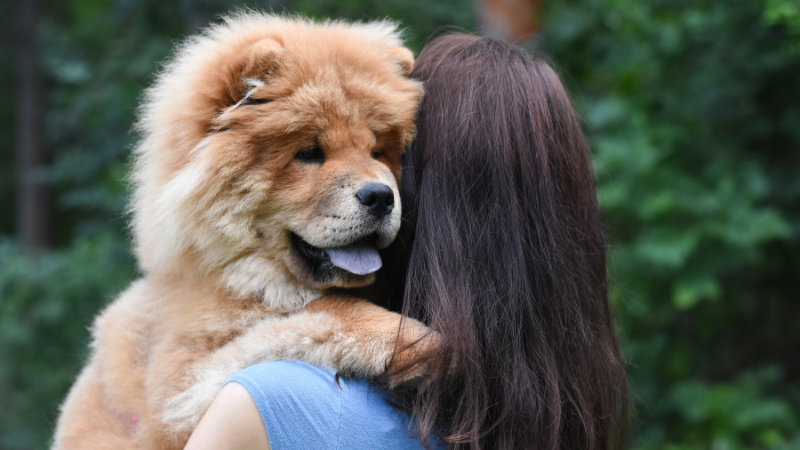
The global popularity of Chow Chow dogs stems from their unique “lion-like” appearance and a dignified, independent temperament that sets them apart from more common breeds. Often described as a “cat in a dog’s body,” they are valued by owners who prefer a loyal but less demanding companion.
Striking Visual Appeal
- Distinctive Features: Their most famous trait is a blue-black tongue, shared with very few other breeds.
- Majestic Mane: A thick “ruff” of fur around the neck gives them the look of a miniature lion, earning them the nickname “Songshi Quan” (puffy-lion dog).
- “Teddy Bear” Pups: As puppies, their dense double coat and round features make them resemble fluffy teddy bears, driving significant interest from prospective owners.
Unique Cat-like Personality
- Independence: Unlike many “velcro” breeds, Chows are often aloof and don’t require constant attention or physical affection.
- Cleanliness: They are notoriously fastidious about hygiene, often avoiding mud and being exceptionally easy to house-train.
- Calm Demeanor: While they have a strong guarding instinct, they are generally quiet and serene at home, making them adaptable to apartment living despite their medium size.
Historical and Royal Allure
- Ancient Heritage: As one of the world’s oldest breeds (dating back over 2,000 years to China), they carry an air of “inscrutable timelessness”.
- Royal Influence: Their popularity in the West was cemented by Queen Victoria, whose personal interest in the breed in the late 19th century made them a symbol of status among the elite.
Fierce Loyalty
- Devoted Companions: While reserved with strangers, they form intense, unbreakable bonds with their family, often focusing their primary devotion on one specific person.
- Natural Protectors: Their history as temple and livestock guardians translates into a vigilant watchdog nature that provides security for modern homes.
Professional Care for Your Chow Chow in the UAE
- Pawland Dog Sitting Services: Reliable in-home care for when you are at work or busy, keeping your dog comfortable in their own environment.
- Dog Boarding Services: A safe and cozy “home away from home” for your Chow Chow while you are traveling.
- Dog Walking Services: Controlled, moderate exercise sessions to keep your dog healthy and active without overexertion.
Diet and Nutrition for Chow Chow
Chow Chows require a high-quality, protein-rich diet (22-30% protein) with healthy fats, carefully portioned to manage their lower activity level and prevent obesity. Due to their susceptibility to skin allergies and hip dysplasia, their diet should be rich in Omega-3/6 fatty acids and joint-supporting nutrients like glucosamine.
Key Nutritional Requirements
- Protein: High-quality animal protein (chicken, beef, fish) is essential for muscle maintenance.
- Fats: Omega-rich fats are crucial to maintain their dense coat and skin health, helping to prevent hot spots.
- Joint Support: Foods containing glucosamine and chondroitin are recommended to support joint health.
- Weight Management: Because they are prone to obesity, calorie-controlled, nutrient-dense diets are preferred over those high in fillers.
- Digestion: High-quality ingredients with prebiotic fiber (like chicory root) support their sensitive digestive systems.
Common Health Issues in Chow Chow
Chow Chows are generally healthy, living 8–12 years, but are prone to specific health issues, including hip dysplasia, patellar luxation, and cranial cruciate ligament tears. Their heavy coats require frequent grooming to avoid skin issues, while their deep-set eyes make them susceptible to entropion. They are also prone to overheating.
- Joint and Bone Problems: Hip dysplasia is a major concern, where the hip joint doesn’t fit properly, leading to arthritis. They are also susceptible to knee problems like patellar luxation and cranial cruciate ligament damage.
- Eye Conditions: Entropion, where the eyelid rolls inward and irritates the eye, is common.
- Skin Issues: Due to their thick, heavy coat, they can develop skin infections or hot spots if not groomed regularly.
- Orthopedic Issues (Young Dogs): Rapid growth can lead to conditions such as osteochondritis dissecans (OCD) and pano (eosinophilic panosteitis).
- Heat Sensitivity: Chow Chows have low tolerance for heat and can easily overheat, needing cool environments.