



Bringing a kitten into your home is an exciting experience, but it also comes with important responsibilities. Kittens are delicate during their early months and need proper care to grow into healthy adult cats. By preparing your home, feeding them correctly, encouraging socialization, and keeping up with their healthcare, you can give your kitten the best possible start in life.
Prepare Your Home Before Bringing Your Kitten Home
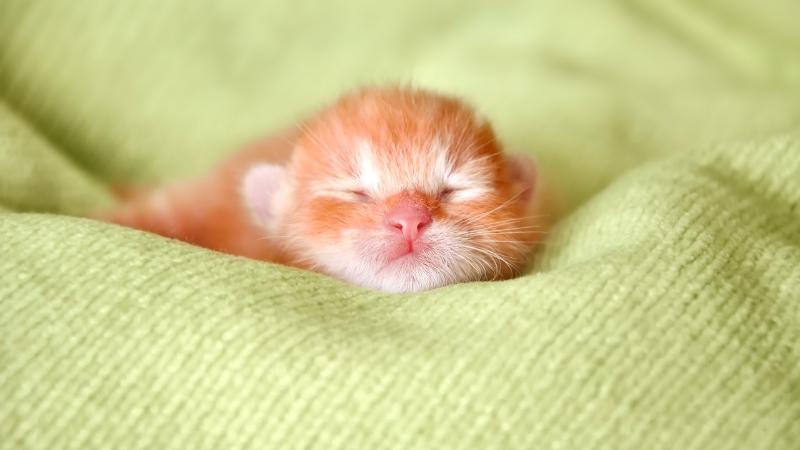
Before your kitten arrives, make sure you have everything they need. Preparing your home in advance can help them settle in more comfortably and make the transition less stressful.
Since cats naturally prefer a clean environment, place the food bowl, water bowl, and litter box in separate locations. If you already have other cats or plan to raise more than one kitten, provide a separate litter box for each one to reduce the chance of conflict.
Keep feeding bowls clean, replace the water regularly, and maintain a clean litter box. A scratching post is also essential, as it gives your kitten a proper place to scratch instead of using your furniture.
Your kitten should also have a comfortable bed in a quiet area where they can rest without being disturbed. It is equally important to provide another cozy hiding place where they can retreat whenever they feel nervous or simply want some quiet time.
Feed Your Kitten According to Their Age
A kitten’s diet depends on how old they are.
If your kitten is one month old or younger, consult a veterinarian about using artificial kitten formula. At this stage, it should be their complete source of nutrition. Kittens should only be separated from their mother when it is absolutely necessary because they benefit from receiving colostrum and breast milk during their first weeks of life, which supports their immune system.
Once a kitten reaches two months of age, they can gradually begin eating solid food. Start with small portions of wet kitten food or kitten pâté each day. As they become more comfortable eating, dry kitten food can be softened with a little water before eventually being offered on its own.
The Ideal Age to Adopt a Kitten
Three months of age is generally considered the best time to adopt a kitten. By then, they have finished weaning, received early immunization, and learned important behaviors from their mother. These include grooming habits, basic hygiene, and understanding feline body language. At this stage, they can also eat solid food without difficulty.
Choosing the Right Food
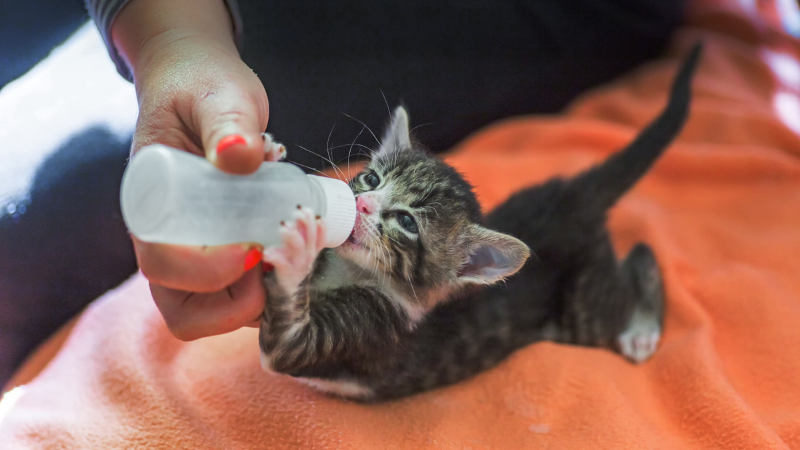
There are different ways to feed a kitten, and each option has its own benefits and drawbacks.
Commercial kitten food is designed to provide the nutrients growing cats need, although finding a high-quality product may require some research. Homemade diets allow owners to use natural ingredients, but they should always be monitored by a veterinarian to help identify parasites or nutritional deficiencies.
Help Your Kitten Socialize
Kittens that remain with their mother until they are at least three months old are usually better socialized with other cats. This reduces the likelihood of fear or aggressive behavior later in life.
After bringing your kitten home, continue introducing them to new experiences. Let them become familiar with different people, household objects, sounds, environments, and, whenever appropriate, other animals. Early socialization is much easier than trying to socialize an adult cat.
Brush Your Kitten Regularly
Regular brushing helps keep your kitten’s coat clean while also strengthening the bond between you. Grooming sessions are also a good opportunity to check for parasites or other health concerns.
Choose the brush that matches your kitten’s coat type. Rubber brushes work well for short-haired cats, carding brushes are suitable for medium-haired cats, and rake-style brushes are recommended for long-haired cats.
Provide Daily Enrichment
Environmental enrichment helps prevent unwanted behavior while keeping your kitten mentally stimulated. It can also help reduce stress, anxiety, and depression.
Puzzle toys, food-dispensing toys, catnip toys, and even simple cardboard boxes can all provide entertainment and encourage natural curiosity.
Encourage Exercise
Daily physical activity is important for healthy muscle development and can also help prevent obesity.
Cat tunnels and cat trees are great ways to keep your kitten active. You can also place treats in elevated areas to encourage climbing and exploration.
Play With Your Kitten Every Day
Toys are more enjoyable when you play together. If your kitten does not have another feline companion, spending time playing with them becomes even more important.
Interactive play keeps them physically active while helping strengthen the relationship between you and your kitten.
Give Plenty of Love and Care
A caring home is one of the most important things a kitten needs. Cats often show affection by sleeping close to their owners or licking them. Although people sometimes think cats are not affectionate, they can become loyal and loving companions when they receive care and attention from their family.
Keep Up With Deworming
Deworming is an important part of protecting your kitten’s health, especially if they spend time outdoors or come into contact with other animals.
The process should begin at about one and a half months of age under the guidance of a veterinarian. It is generally recommended every 15 days until the kitten reaches three months old. Between three and six months, it should be done once a month, and after six months, every three months.
Always use products specifically designed for kittens and follow the dosage recommended by your veterinarian for both internal and external parasites.
Follow the Vaccination Schedule
Vaccinations usually begin when a kitten is around two months old.
One of the first vaccines commonly given is the feline trivalent vaccine, which protects against feline panleukopenia, feline rhinotracheitis, and feline calicivirus. These vaccines require yearly booster shots, so following the recommended schedule is important for your kitten’s long-term health.
Visit the Veterinarian Regularly
Routine veterinary care should continue throughout your cat’s life. Scheduling a checkup every six to twelve months helps monitor your cat’s health and ensures any problems can be identified as early as possible.
Raising a healthy kitten starts with proper preparation, the right diet, regular socialization, grooming, play, and routine veterinary care. Providing a safe environment along with plenty of attention and affection helps your kitten grow into a healthy and happy adult cat.