


Bringing home a new puppy is one of the most exciting experiences for any dog owner, but potty training can quickly become the biggest challenge. Accidents on the floor, interrupted sleep, and constant trips outside are all part of the process. While it may seem overwhelming at first, potty training doesn’t have to take months. With consistency, patience, and the right routine, your puppy can learn much faster than you might expect.
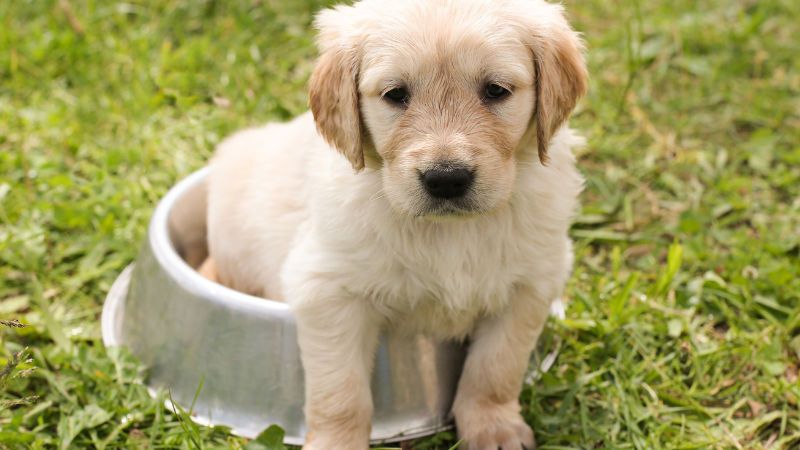
The most important rule is surprisingly simple, don’t allow your puppy to practice having accidents inside the house. Puppies learn through repetition. Every accident indoors teaches them that it’s an acceptable place to go, while every successful trip outside reinforces the habit you actually want. The first few weeks require extra effort, but building the right habits early makes the entire process much easier.
Don’t Rush Back Inside After Your Puppy Goes
Many new puppy owners make the mistake of bringing their puppy inside as soon as they pee outdoors. Although it feels like the potty break is finished, young puppies often haven’t emptied their bladder completely. They may need another minute or two before they’re truly done.
Instead of immediately heading back inside, stay outdoors a little longer and let your puppy sniff around. They may urinate a second time, which helps prevent those frustrating situations where they pee outside and then have another accident only minutes after coming indoors.
Once you return inside, keep watching your puppy closely. If you notice them sniffing the floor, walking in circles, or suddenly becoming restless, don’t wait. Take them back outside immediately. During the first few weeks, you may repeat this several times every hour, but those extra trips help your puppy understand exactly where they should go.
Night-Time Potty Training
Nighttime is often the hardest part of potty training because young puppies simply can’t hold their bladder for very long. Waiting until your puppy cries usually means you’re already too late, and an accident may happen before you even reach the door.
Instead, wake your puppy every few hours and take them outside before they need to ask. It may interrupt your sleep for a short time, but this routine prevents accidents and teaches your puppy that nighttime follows the same potty schedule as daytime. As your puppy grows older, they’ll naturally be able to hold it for longer periods.
Puppies Don’t Care About Pottying in Their Crate
Many people believe dogs naturally avoid going to the bathroom where they sleep. While that’s often true for adult dogs, young puppies are different. If they repeatedly have accidents inside their crate, they can quickly become comfortable doing it again.
That’s why it’s important to prevent crate accidents from the beginning. Taking your puppy outside regularly and choosing a crate that’s the right size makes a big difference. If the crate is too large, your puppy may simply sleep in one corner and use another as a bathroom, making potty training much more difficult.
What to Do When Your Puppy Cries
Many owners assume a crying puppy simply wants attention, but that’s not always the case. During potty training, crying can be your puppy’s way of saying they need to go outside.
Rather than waiting until they’re crying loudly, try to stay ahead of the schedule by taking them outside regularly. This helps prevent accidents and makes potty training much smoother for both you and your puppy.
Limit Your Puppy’s Exposure at Home
Giving your puppy full access to the entire house makes potty training much more difficult. When they’re running from room to room, it’s much easier to miss the signs that they need a bathroom break.
Instead, keep your puppy in a smaller area where you can supervise them easily. Limiting their space allows you to react quickly whenever they begin showing signs that they need to go outside. During these early weeks, constant supervision is one of the biggest factors in successful potty training.
If you’re away at work or have a busy schedule, maintaining that same level of supervision can be difficult. In these situations, dog sitting services can help keep your puppy on a consistent feeding, play, and potty schedule, reducing the chances of accidents and helping reinforce good habits.
Use Play Pens if Needed
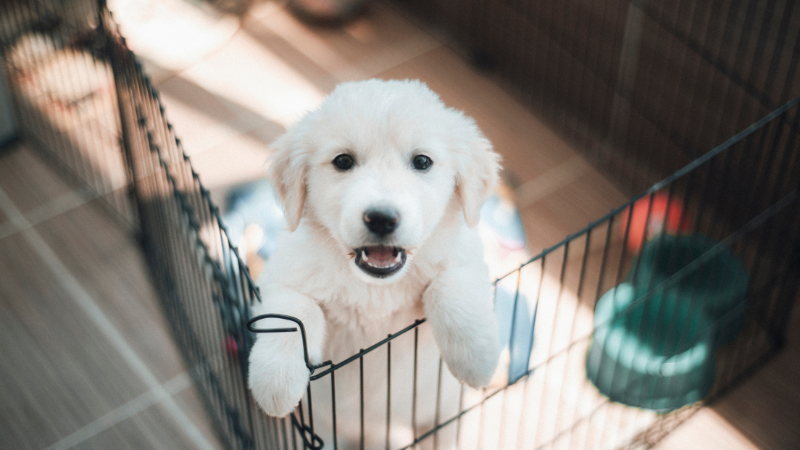
If baby gates aren’t practical for your home, a play pen can be an excellent alternative. It keeps your puppy in a safe, manageable space while still allowing them enough room to move around comfortably.
Using a play pen also makes it much easier to monitor your puppy throughout the day. The closer you watch them, the more opportunities you’ll have to catch their potty signals before an accident happens indoors.
Why Potty Training Can Feel Frustrating
Potty training often feels exhausting because it requires far more attention than most new owners expect. You’ll probably find yourself walking outside every hour, constantly watching your puppy, and getting far more steps each day than usual.
Although it can be tiring, this extra effort is exactly what helps your puppy learn faster. Every successful potty break outside builds a positive habit, while every prevented accident saves you from fixing the same problem later. Staying patient and consistent during these early weeks is one of the best investments you can make in your puppy’s training.
If you need to travel during the training period, choosing dog boarding services that follow your puppy’s daily routine can help prevent setbacks. A consistent schedule for feeding, exercise, and bathroom breaks makes it easier for puppies to continue learning even while you’re away.
Learn Your Puppy’s Potty Signs
Every puppy communicates differently, but they almost always give some kind of warning before needing to go outside. The challenge is learning to recognize those signals.
Some puppies briefly sniff the ground, while others start walking in circles or suddenly stop playing and wander away. Some head toward the back door, while others become restless or begin whining. Once you learn your puppy’s unique signals, you’ll be able to take them outside before accidents happen, making potty training much easier for both of you.
Puppies also benefit from regular outdoor bathroom breaks throughout the day. If your work schedule makes this difficult, dog walking services can help maintain a consistent routine, giving your puppy more opportunities to relieve themselves outside and reinforcing positive potty training habits.
Keep Potty Time Different From Playtime
It’s important to make a clear distinction between potty breaks and outdoor play. If every trip outside becomes a fun play session, your puppy may start asking to go outdoors simply because they want to play rather than because they actually need to use the bathroom.
Instead, keep potty breaks calm and focused. Once your puppy goes to the bathroom, praise or reward them, wait a little longer to make sure they’re finished, and then head back inside. This routine helps your puppy understand exactly why they’re going outside each time.
Never Punish Your Puppy for Accidents
No matter how careful you are, accidents will happen. Young puppies simply don’t have complete bladder control, so mistakes are a normal part of learning.
Rather than becoming frustrated, calmly take your puppy outside if you catch them in the act and clean the accident thoroughly afterward. Punishing your puppy by yelling or rubbing their nose in the mess doesn’t teach them the correct behavior. Instead, it only creates fear and confusion.
Cleaning the area with an enzymatic cleaner also helps remove lingering odors that might encourage your puppy to use the same spot again. Throughout the training process, patience and consistency will always produce better results than punishment.