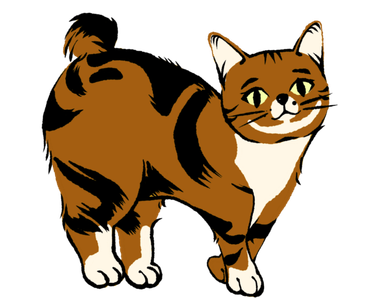


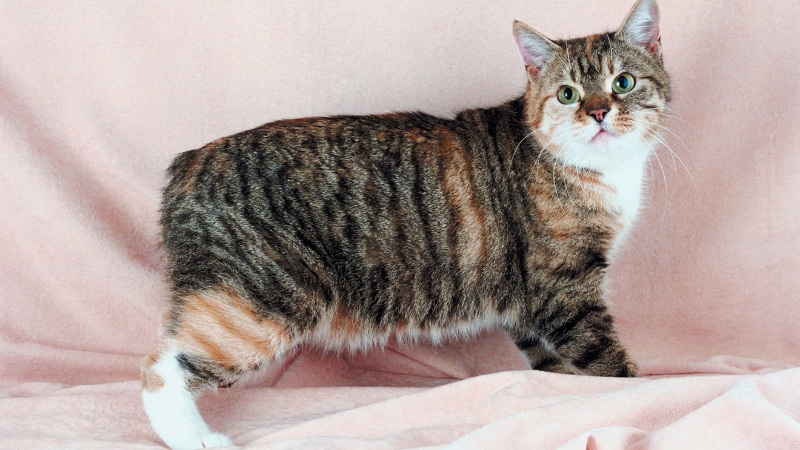
The Manx cat is a historic breed originating from the Isle of Man, best known for a natural genetic mutation that results in a tailless or short-tailed appearance. They are characterized by a rounded, muscular body, longer hind legs than front legs, and a dense double coat. Manx are known for being playful, intelligent, and “dog-like,” frequently engaging in fetch.
The Meyers Manx is famous in the United Arab Emirates (UAE) because it is the pioneering, iconic dune buggy used for high-end off-road desert tours. The original 1960s fiberglass design, created by Bruce Meyers, is now frequently utilized in specialized, high-performance 1000cc+ buggy tours that drive over the high dunes of Dubai.
Characteristics
The Manx is an ancient, tailless cat breed originating from the Isle of Man, recognized by its “hopped” gait, rounded head, and significantly longer hind legs. Known for being affectionate, intelligent, and dog-like, they are excellent hunters with a double coat and a natural, tailless mutation that was established by the 18th century.
Origin and History
- Isle of Man: The breed originated on the Isle of Man in the Irish Sea, where a spontaneous mutation caused short tails.
- The “Founder Effect”: The mutation spread rapidly due to a small, inbred gene pool on the island.
- Legend: A common myth suggests their tail was cut off when Noah closed the Ark door too quickly.
- Early Records: Recorded in the 16th to 18th centuries, they were used on farms to control rodents.
- Show History: They were among the first breeds featured in British cat shows and recognized by the CFA in 1906.
Physical Characteristics
- Taillessness: Manx are often entirely tailless, featuring a “dimple” at the base of the spine, though some may have a stub (“stumpy”).
- Hind Legs: Their hind legs are noticeably longer than their forelegs, causing a rounded, high-rumped appearance.
- Coat: They have a dense double coat that requires regular grooming.
- Gait: Known for a unique “hopped” or “bowling ball” gait when running.
- Size: Medium-sized (usually 4–5 kg or 8–12 lbs), sturdy, and muscular.
Personality and Care
- Temperament: Affectionate and intelligent, they are often described as “dog-like” because they can play fetch and are loyal.
- Activity: They are active hunters that enjoy climbing and playing, making them excellent family pets.
- Diet: They have a good appetite and need controlled nutrition to prevent obesity.
- Health Note: The tailless gene can cause “Manx Syndrome,” which may lead to spinal issues; responsible breeding is important.
- Long-haired variant: Sometimes referred to as a separate breed, the Cymric cat.
Is the Manx Cat Good for Families?
Yes, Manx cats are excellent for families, known for being affectionate, intelligent, and highly social with children and other pets. Their dog-like temperament often includes playing fetch and following their owners around, making them engaging companions. They are generally patient but need consistent, gentle handling.
Why They Are Good for Families:
- Child-Friendly: They are patient with kids, often choosing to walk away rather than react aggressively if play becomes too rough.
- Playful & Active: Highly intelligent and energetic, they enjoy learning tricks, playing fetch, and engaging with puzzle toys.
- Social Nature: They bond closely with humans, often becoming loyal, “dog-like” companions to all family members.
- Pet-Friendly: They tend to get along well with other cats and dogs in the household.
Top Rated Cat Care in the UAE
Cat Sitting Services
In-Home Cat Boarding Services
Black Manx Cat
A Black Manx cat is a variant of the tailless or short-tailed Manx breed featuring a dense, solid black coat. Originating from the Isle of Man, these cats are known for a genetic mutation causing them to be born with no tail (rumpy) or a small stump (stumpy). They are affectionate, intelligent, and often possess strong hind legs, giving them a rabbit-like gait.
Key Characteristics of Black Manx Cats
- Appearance: They possess a “double coat” that is dense and plush, often with a glossy, coal-black appearance.
- Tail Variations: Known as “rumpies” (completely tailless) or “stumpies” (small stub).
- Physical Structure: They have a rounded, robust, and heavily boned body with hind legs that are significantly longer than their forelegs, resulting in a higher rump.
- Temperament: They are known to be intelligent, social, playful, and often loyal, sometimes described as “dog-like”.
Health and Care
- Manx Syndrome: Due to the tailless gene, some may suffer from a spinal condition known as Manx syndrome, which can lead to health issues such as spina bifida or problems with bladder/bowel control.
- Maintenance: Their thick coat requires regular brushing (weekly) to maintain its condition, particularly during shedding seasons.
- Lifespan: They are generally healthy, hardy cats that can live into their late teens or early twenties
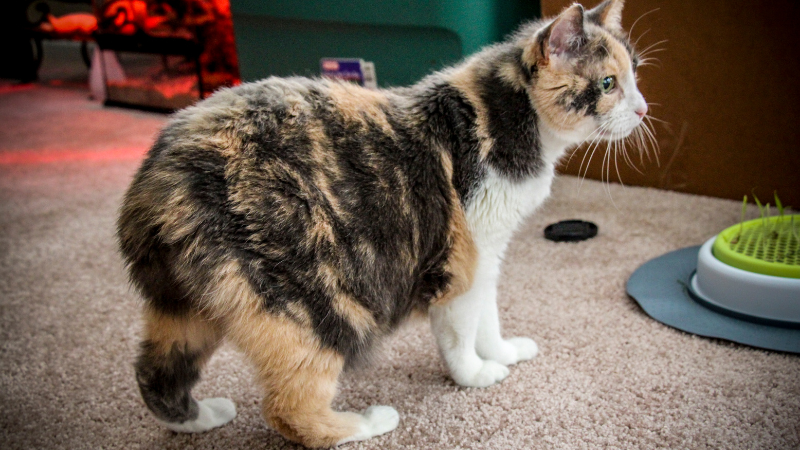
Calico Manx Cat
A calico Manx is a specific combination of the Manx breed (known for being tailless) and the calico coat pattern (tri-color patches of white, black, and orange). This combination is striking because the calico’s bold patches highlight the Manx’s unique, rounded “bunny-like” silhouette.
Key Characteristics
- Taillessness: Most famous for having no tail (“Rumpy”) or a tiny stump (“Stumpy”) due to a natural genetic mutation.
- Unique Gait: Their hind legs are longer than their front legs, often giving them a “bunny hop” walk.
- Round Silhouette: They feature rounded heads, round eyes, and a robust, compact body.
- Almost Always Female: Because the calico pattern is sex-linked, about 99.9% of calico Manx cats are female.
- “Dog-like” Personality: Owners often describe them as loyal, social, and capable of learning tricks or playing fetch.
Manx Cat Personality & Temperament
Manx cats are renowned for being affectionate, intelligent, and easygoing companions with a distinct “dog-like” personality. Often described as loyal, playful, and social, they form strong bonds with families, enjoy interactive games like fetch, and are skilled hunters. They are generally calm but active, making them great, adaptable pets.
Key Personality and Temperament Traits:
- Affectionate & Social: They are devoted to their human families, often following them around the house, and are usually friendly with children and other pets.
- Dog-like Behavior: Manx cats are known for playing fetch, carrying toys in their mouths, and sometimes learning to walk on a leash.
- Intelligent & Playful: They are smart and require mental stimulation, often enjoying puzzle toys and active playtime, with a high prey drive that makes them excellent mousers.
- Quiet & Vocal: Generally not overly loud, they often communicate with soft chirps or trills, particularly when interacting with their owners.
- Adaptable & Confident: While they have an independent streak, they are not typically timid, adapting well to various home environments, including those with other pets.
Manx Cat Size & Appearance
The Manx is a medium-sized, stocky, and muscular cat, famous for being completely tailless (rumpy) or having a short stump (stumpy) due to a natural mutation. They are known for their rounded appearance, including a round head, prominent cheeks, and a high-rumped, “rabbit-like” gait due to longer hind legs.
Key Physical Features:
- Size & Weight: Typically medium-sized, weighing between 7-13 pounds (3-6 kg). Males are often slightly larger than females.
- Body Shape: Compact and “cobby,” with a short back that arches from the shoulders to a round rump.
- Tail Variations:
- Rumpy: Completely tailless with a dimple where the tail would start.
- Riser/Stumpy: A small stump of tail.
- Longy/Tailed: A partial or full-length tail.
- Coat: Thick, dense double coat that can be short or long (sometimes called a Cymric).
- Colors: Come in almost all colors and patterns, including white, black, blue, red, cream, and silver, often with tabby, tortoiseshell, or calico markings.
- Head: Round head with a firm, strong jaw and a pronounced “whisker break”.
- Eyes: Large, round eyes, with colors corresponding to coat color.
Manx Cat Health & Lifespan
Manx cats generally live between 9 and 14+ years. Known for their natural tail-lessness, these cats are generally healthy but prone to genetic health issues called “Manx syndrome” due to the gene that affects their spinal development. They are sturdy, medium-sized cats often characterized by a “hopping” gait and a loving, “dog-like” personality.
Key Health Aspects
- Manx Syndrome: This is a severe genetic condition resulting from a short spine. It can cause spina bifida, urinary dysfunction, and walking difficulties. Symptoms often emerge within the first few months of life, but it can be managed.
- Other Potential Issues: Some Manx cats may experience arthritis in their partial tails (if they have one) or suffer from rectal prolapse or megacolon.
- Weight & Growth: They are heavily boned, muscular cats (8-14 pounds) and grow relatively slowly, often not reaching full maturity until they are 5 years old.
- Veterinary Care: Regular check-ups are essential, especially for kittens, to detect any skeletal issues early.