


While the term “Piggle” is sometimes casually used for chubby or pig-like looking dogs, it most commonly refers to the Puggle, a designer hybrid breed created by crossing a Pug and a Beagle. This mix was developed to combine the cute, compact look of a Pug with the energetic and curious nature of a Beagle, making it a popular family companion in many homes.
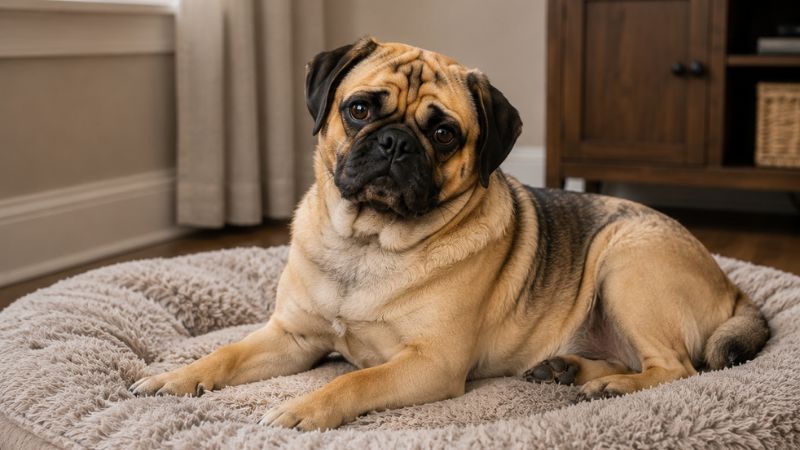
Puggles are affectionate, friendly, and full of energy. They usually have the wrinkled face of a Pug but often with a slightly longer muzzle, which helps improve breathing. Their ears are typically floppy like a Beagle, and they have a small-to-medium athletic build, usually weighing between 14 and 30 pounds.
Appearance and Physical Characteristics
A Puggle is a popular designer crossbreed, resulting from a mix between a Pug and a Beagle. Because they are a crossbreed, their physical characteristics can vary significantly, even within the same litter. Generally, they take on the best of both worlds, featuring the sturdy, wrinkled charm of a Pug with the longer snout and athletic legs of a Beagle.
Key Physical Characteristics
- Size: They are small to medium-sized, typically weighing between 14 to 30 pounds (6.35 – 13.6 kg) and standing 10 to 15 inches tall (25.4 – 38.1 cm) at the shoulder.
- Face and Head: Puggles usually have a wrinkled forehead, inherited from the Pug. However, they generally have a longer muzzle (snout) than a purebred Pug, which helps reduce the respiratory issues commonly found in flat-faced breeds. They often have a black mask around the eyes and muzzle.
- Eyes: They have large, dark brown, or hazel eyes that are typically round.
- Ears: Their ears are generally long and floppy, hanging down beside their head like a Beagle’s.
- Body: They are muscular and sturdy, with a well-balanced, compact frame and a slightly elongated body compared to a Pug.
- Tail: They often have a medium-length tail that may curl over their back like a Pug’s or stay straighter with a slight curve like a Beagle’s.
- Coat: They have a short, coarse, or smooth, close-fitting coat.
- Coloring: Coat colors are varied, including fawn, black, tan, red, white, or a combination (parti-color), often with black markings.
Common Variations
- Miniature Puggles: Some breeders produce smaller Puggles, often referred to as “toy” or “pocket” puggles, which can weigh as little as 8 to 17 pounds (3.6 – 7.7 kg ).
- Appearance Shift: Some puggles look like “miniature Beagles,” while others resemble “athletic Pugs”.
Physical Needs
- Grooming: Their short coat is easy to maintain, but they are moderate to heavy shedders.
- Skin Care: The wrinkles on their face and forehead should be cleaned regularly to prevent skin infections.
- Lifespan: The average lifespan is 10–15 years.
Piggle Dog Care & Essential Pet Services in the UAE
Pawland provides trusted, professional pet care solutions designed to keep your Piggle dog safe, active, and comfortable while you’re away. With personalised attention, verified sitters, regular updates, and secure booking, your dog receives reliable care every time.
Dog Sitting Services
Our dog sitting services include drop-in visits, live-in care, and in-home sitting for your Piggle dog. These services ensure personalised attention, routine feeding, playtime, and stress-free care in a safe and familiar environment.
Dog Boarding Services
Our dog boarding services offer a secure, home-like stay for your Piggle dog with 1-on-1 supervision, proper feeding routines, exercise, and continuous care. It’s ideal for travel, long absences, or special care needs.
Dog Walking Services
Our dog walking services keep your Piggle dog active and healthy through scheduled walks tailored to their energy level. Regular exercise supports better behavior, weight control, and overall physical and mental well-being.
Piggle Dog Temperament and Personality
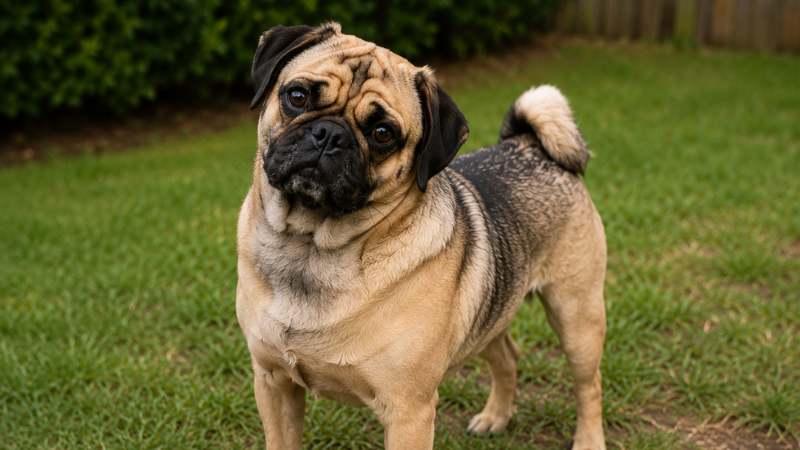
A Puggle (Pug-Beagle mix) is generally an affectionate, energetic, and charming companion known for being highly social and playful. They are characterized by their loving nature, often acting as a friendly, “clownish” addition to a household, though they can also be quite stubborn and vocal.
Key Temperament & Personality Traits:
- Affectionate and Social: Puggles love people and generally get along well with children, strangers, and other dogs. They thrive on attention and can suffer from separation anxiety if left alone for long periods.
- Energetic and Playful: They are active little dogs, requiring daily exercise around 30 minutes to an hour to keep them from getting bored, which can lead to digging or chewing. They enjoy long walks and running in a fenced-in yard.
- Vocal and Curious: Inheriting the Beagle’s scent-driven curiosity, Puggles love to explore. They are known for barking and howling, often acting as good watchdogs by alerting their owners to visitors.
- Stubbornly Smart: While intelligent, Puggles can be hard to train due to a stubborn streak, often requiring consistent training and positive reinforcement.
- Adaptable: They can live comfortably in apartments or houses, provided they get enough activity, but they are primarily indoor dogs.
Common Behaviors
- Snoring/Snorting: They may inherit respiratory issues from the Pug side, leading to snoring.
- Escape Artists: Due to their curious nature, they are known to escape, requiring secure, fenced-in yards.
- “Zoomies”: They often exhibit playful bursts of energy around the house.
Puggles make excellent family pets for those who can provide them with sufficient attention, exercise, and companionship.
Piggle Dog Health and Common Issues
Beagles are generally healthy and sturdy dogs with a typical lifespan of 10–15 years, but they are prone to specific genetic, structural, and lifestyle-related health issues. Their health management often centers on controlling their voracious appetite to prevent obesity, monitoring their ears for infections, and addressing joint or back issues.
Top Common Health Issues
- Obesity: Due to a high, indiscriminate appetite, Beagles are very prone to obesity, which can exacerbate joint problems, heart disease, and diabetes.
- Ear Infections: Their long, floppy ears restrict airflow, creating a warm, moist environment for bacteria and yeast, often leading to chronic ear infections.
- Intervertebral Disc Disease (IVDD): Because of their slightly elongated back, Beagles are susceptible to spinal issues, including slipped or ruptured discs that can cause significant pain or, in severe cases, paralysis.
- Hip Dysplasia: This genetic joint condition causes the hip joint to form improperly, leading to arthritis, lameness, and difficulty moving.
- Epilepsy: Beagles are frequently diagnosed with idiopathic epilepsy, a hereditary neurological disorder causing seizures, often appearing between 6 months and 5 years of age.
- Eye Problems: Common issues include [Cherry Eye] (a red, swollen third eyelid), [Glaucoma] (pressure buildup), and cataracts.
- Allergies and Skin Conditions: They are prone to atopy, an allergy to environmental factors like pollen or grass, causing skin itching, chronic ear infections, and paw chewing.
- Hypothyroidism: A common endocrine disorder in older Beagles where the thyroid gland doesn’t produce enough hormone, leading to weight gain and lethargy.
Preventative Care and Tips
- Weight Management: Strict feeding routines are necessary. Free-feeding is not recommended.
- Regular Cleaning: Clean ears regularly to prevent yeast/bacterial growth.
- Dental Care: Brush teeth regularly and provide dental chews to prevent tartar buildup.
- Physical Activity: Regular, daily exercise is required to manage energy levels and keep joints healthy.
- Safe Environment: Due to their curiosity and tendency to eat non-food items, it is important to ensure they cannot ingest harmful objects, which can cause gastrointestinal obstructions.
- Pet Insurance: Given the potential for genetic conditions and emergencies, insurance is often recommended.
If you notice sudden changes in behavior, such as reluctance to climb stairs (a sign of back pain) or excessive chewing of paws, consult a veterinarian.