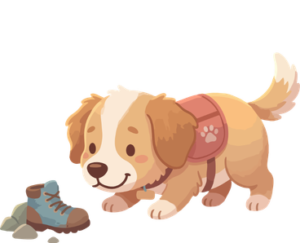
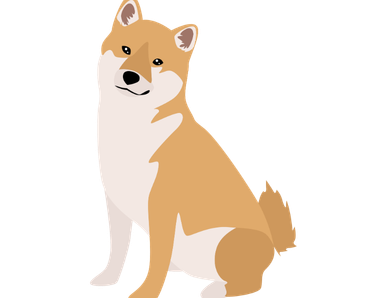


Shiba Inu puppies are intelligent, independent, and spirited dogs known for their “cat-like” personality and bold, confident temperaments. Originating from Japan, these small to medium hunting dogs require firm training, early socialization, and regular exercise. They are loyal to their owners but can be stubborn, making them best suited for experienced dog owners
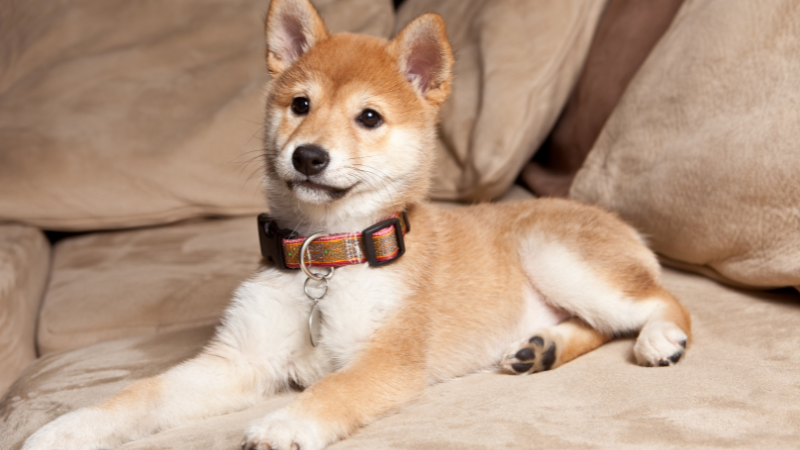
Small-to-medium spitz breeds are popular worldwide due to their manageable size, striking wolf-like appearance, and “all-around” versatility as both alert watchdogs and loyal family companions.
Temperament & Personality
Shiba Inu puppies are bold, spirited, and fiercely independent, often described as having a “cat-like” personality. While they are deeply loyal to their families, they are also famously stubborn and require a patient owner who can handle their strong-willed nature.
Key Personality Traits
- Independent & Aloof: They enjoy their personal space and may not always want to snuggle or be touched.
- Confident & Fearless: Despite their small size, they carry themselves with a sense of dignity and spirit.
- Intelligent but Stubborn: They learn quickly but only obey when they see a benefit, often displaying “selective hearing”.
- Reserved with Strangers: They are naturally cautious and alert, making them excellent watchdogs but standoffish with new people.
- High Prey Drive: Their hunting heritage makes them prone to chasing small animals; they should generally be kept on a leash.
Purebred Shiba Inu Puppy
Purebred Shiba Inu puppies are intelligent, spirited, and independent dogs known for their fox-like appearance, curled tails, and “urajiro” (white) markings. Typically costing $1,000–$3,000 from breeders, these small to medium spitz dogs are loyal but often stubborn, requiring consistent training, early socialization, and regular grooming due to their thick double coats.
Key Characteristics & Temperament
- Appearance: They have erect ears, a fluffy, curled tail, and a compact, muscular build. Common colors include red, black and tan, and sesame.
- Personality: They are confident, alert, and can be quite vocal (“Shiba scream”). While affectionate with family, they are often reserved or aloof with strangers.
- Suitability: Best for experienced owners; not always ideal for very young children due to their independent and sometimes possessive nature.
- Energy Level: Moderate to high; they enjoy active walks but are generally calm indoors.
Health & Care
- Lifespan: 12–15 years.
- Health Concerns: Generally healthy, but prone to allergies, hip dysplasia, luxating patella, and eye issues like glaucoma.
- Grooming: They have a dense double coat that requires regular brushing to manage shedding, particularly during shedding seasons.
Finding a Puppy
- Reputable Breeders: Seek breeders registered with the American Kennel Club or the National Shiba Club of America to ensure proper health screenings.
- Rescue: Adoption options are available through breed-specific rescues.
Shiba Inus are clean animals often compared to cats in their grooming habits and independent, fastidious nature
White Shiba Inu Puppy
White Shiba Inu puppies, often referred to as cream-colored or “white” (though rarely pure white), are a rare, visually striking variation of the breed. They are known for their fox-like appearance, cream-colored coats, and often possess the typical stubborn yet affectionate Shiba personality. Cream is one of the recognized, albeit non-standard, coat colors for Shiba Inus.
Key Aspects of White/Cream Shiba Inu Puppies
- Appearance: These puppies possess a soft undercoat with a cream to light-white topcoat, often featuring lighter cream markings on the chest, legs, and face. They resemble little bears or foxes.
- Rarity: Entirely white coats without any cream shading on the ears or back are extremely rare.
- Breed Standard: According to many breed standards, the cream color is less desirable than red or black and tan, but they are still recognized as Shiba Inus.
- Temperament: Like their red counterparts, white Shiba Inus are intelligent, confident, and independent dogs that can be quite playful.
- Availability: While rare, white/cream Shiba Inu puppies can occasionally be found through specialized breeders. They may appear in litters with other colors.
White Shiba Inus possess the same charming and sometimes demanding personality as the standard Shiba Inu, making them excellent companions for owners who understand the breed’s spirited nature.
Female Shiba Inu Puppy
A female Shiba Inu puppy is a small, intelligent, and energetic companion known for her confident personality and fox-like appearance. Shiba Inus are one of the most popular Japanese dog breeds and are loved for being clean, loyal, and independent.
Personality of a Female Shiba Inu Puppy
Female Shiba Inu puppies are often:
- Alert and intelligent
- Independent but affectionate
- Playful and energetic
- Sometimes slightly easier to train than males (though each puppy is different)
They can be strong-willed, so early training and socialization are very important.
Size & Growth
- Female Shiba Inus are usually slightly smaller than males.
- Adult weight typically ranges from 15 to 20 pounds (7 to 9 kg).
- They grow quickly in the first year and reach full size by about 12 months.
Shiba Inu Puppy Care Guide
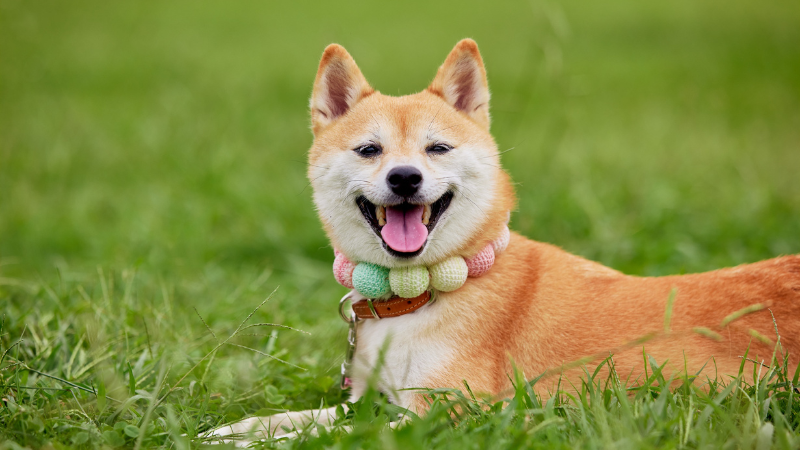
Shiba Inu puppies are intelligent and independent, requiring consistent training and early socialization to manage their stubborn nature. Key care includes feeding them a high-quality Puppy Diet three times daily, providing 30–60 minutes of daily exercise, and weekly brushing to manage their heavy seasonal shedding.
Nutrition and Feeding
Shibas have specific nutritional needs to support their active growth and double coat.
- Puppy Food: Use high-quality kibble like Purina Pro Plan Puppy or Beneful Healthy Puppy.
- Schedule: Feed puppies under 6 months old 3 meals per day; transition to 2 meals as they reach adulthood.
- Portion Control: Monitor treats carefully to prevent obesity, which can strain their joints.
- Hydration: Ensure fresh water is always available, especially during warm weather or exercise.
Training and Socialization
Known for being “cat-like,” Shibas need a patient but firm hand to learn obedience.
- Early Socialization: Expose them to new people, dogs, and sounds immediately after their first vaccinations.
- Positive Reinforcement: Use high-value treats and short (5–10 minute) sessions to keep them engaged.
- Leash Safety: Never let a Shiba off-leash in an open area; their high prey drive makes recall unreliable.
- The “Shiba Scream”: Stay calm and consistent if they protest; giving in to their dramatic behavior.
Grooming and Health
Despite their clean nature, Shibas require regular maintenance to manage their thick fur.
- Coat Care: Brush weekly year-round. Increase to daily brushing during “blow outs” in spring and fall.
- Bathing: Bathe every 3–4 months or as needed to maintain skin health.
- Health Screenings: Ask your vet to check for common breed issues like Hip Dysplasia, patellar luxation, and eye conditions.
- Dental Hygiene: Brush teeth daily to prevent periodontal disease, which is common in small-to-medium breeds
Shiba Inu Puppies Need the Right Care & Support
Bringing home Shiba Inu puppies is exciting, but they also require consistent attention, socialisation, and daily routines to grow into well-balanced dogs. That’s where our professional services can help.
With our dog sitting services, your Shiba Inu puppy receives personalised in-home care, companionship, feeding, playtime, and regular updates while you’re away.
Our dog boarding services provide a safe, home-like environment with verified professionals perfect for puppies who need supervised care, structured routines, and stress-free surroundings.
And with our dog walking services, your Shiba Inu stays active, burns energy safely, and follows a healthy exercise routine that supports both physical development and good behaviour.
Whether you need short-term help or ongoing support, Pawland ensures your Shiba Inu puppy gets loving, reliable care every step of the way.
Health & Lifespan
Shiba Inus are a robust and long-lived breed, typically living between 13 and 16 years. Some exceptionally healthy individuals have even been known to reach their late teens, and one famous Shiba in Japan, Pusuke, lived to be 26.
Common Health Concerns
While generally healthy, Shibas are genetically predisposed to several conditions that owners should monitor:
- Allergies: This is the most common issue, often manifesting as skin irritation, constant itching, or ear infections.
- Joint Issues: Like many active breeds, they can develop patellar luxation (slipping kneecaps) and hip dysplasia.
- Eye Conditions: Shibas are prone to glaucoma, cataracts, and Progressive Retinal Atrophy (PRA), which can lead to vision loss if untreated.
- Dental Disease: Due to their smaller mouth size, they can quickly build up plaque, leading to gingivitis or periodontal disease.
Preventative Care for Longevity
You can maximize your Shiba’s lifespan by focusing on these key areas:
- Weight Management: Keeping your Shiba lean is critical; obesity significantly increases the risk of joint pain and heart issues.
- Regular Dental Care: Brush their teeth at least 2–3 times per week to prevent infections that can affect organ health.
- Early Screening: When choosing a puppy, look for breeders who provide OFA or CERF certifications to ensure parents were screened for genetic defects.
- Annual Exams: Once they reach 7 years old, consider biannual vet visits to catch age-related issues like kidney disease or dementia early.