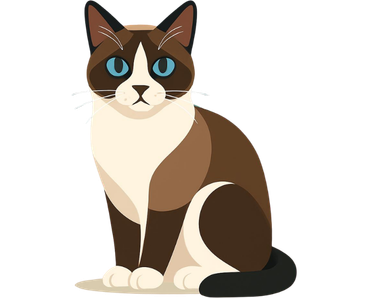


The Snowshoe is a rare and striking breed that originated in the United States in the 1960s after a Siamese breeder discovered kittens born with white paws. This breed combines the stocky, athletic build of the American Shorthair with the elegant, pointed markings and blue eyes of the Siamese. Known for their social and “dog-like” personalities, Snowshoes are highly intelligent, vocal, and often fascinated by water.
In this complete guide, you’ll learn everything about the Snowshoe cat from history and appearance to care, temperament, health, and adoption tips.
Physical Appearance
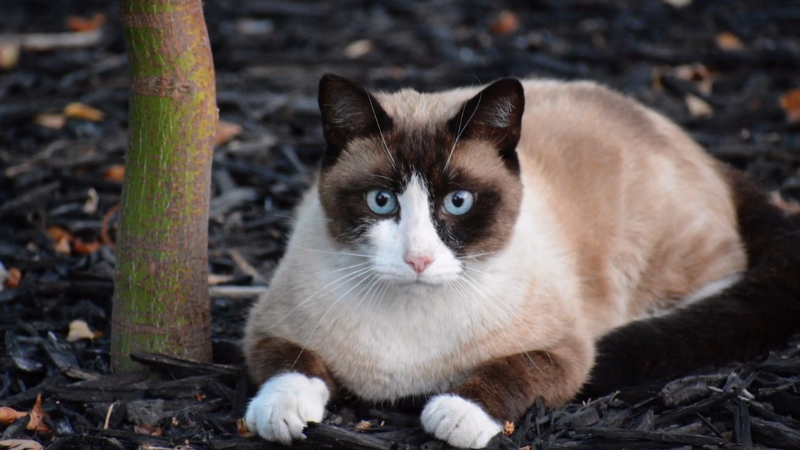
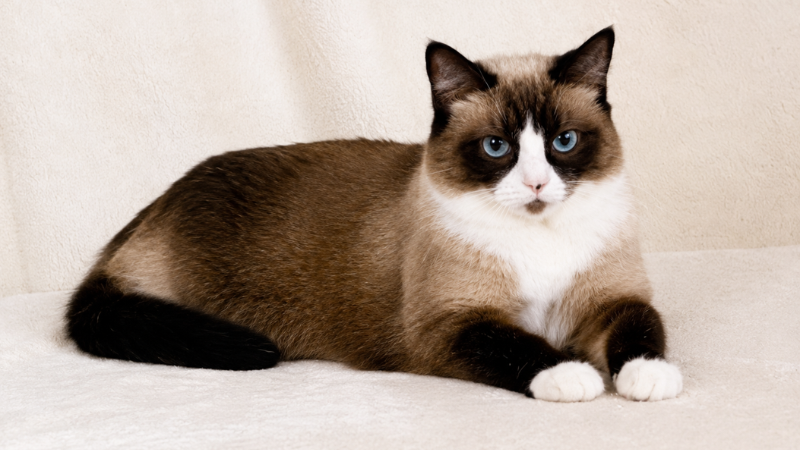
The Snowshoe cat is a medium-sized, athletic breed known for its distinctive tuxedo markings, white “snowshoe” paws, and striking blue eyes. A cross between Siamese and American Shorthair, they have short, pointed coats that darken with age, often featuring an inverted “V” facial blaze.
Key Physical Features:
- Distinctive Markings: They possess white paws (mittens on front, boots on back) and a white chest, often with a white inverted “V” mask on their face.
- Coat and Color: The coat is short and smooth. They are color-pointed (light body, dark extremities) with colors including seal, blue, chocolate, or lilac.
- Eyes: Always a shade of blue, ranging from pale to deep azure, and are walnut-shaped.
- Build: Muscular and athletic, combining the sleekness of a Siamese with the solid, sturdier build of an American Shorthair.
- Size/Weight: Medium-sized, with females generally weighing 7–10 lbs and males 9–12 lbs.
- Lifespan: 14–19 years.
Snowshoe Cat Personality
Snowshoe cats are affectionate, intelligent, and highly social companions known for their “dog-like” loyalty, vocal nature, and love of high perches. They form deep bonds with owners, often choosing one person, and dislike being left alone, making them ideal for active households with other pets.
Key Personality Traits
- Affectionate & People-Oriented: They are not typically shy or standoffish, preferring to be in the middle of family activities.
- Vocal and Chatty: They “talk” to their humans, using a soft, chirping voice to communicate, often greeting owners at the door.
- High Intelligence & Curiosity: They are easily trained, enjoy puzzle toys, and are known to be mischievous if not mentally stimulated.
- Active and Playful: They love to play, chase toys, and often enjoy water, sometimes even swimming.
- Devoted Companions: They often follow their favorite person from room to room, acting as a “caregiver” or constant companion
Intelligence & Training
Snowshoe cats are highly intelligent, ranking among the more clever breeds, largely due to their Siamese heritage. This intelligence makes them incredibly curious and problem-solvers who can quickly learn to manipulate their environment, including figuring out h
Training Capabilities
Because they are highly reward-motivated and “dog-like” in their desire to interact with people, Snowshoes are relatively easy to train.
- Common Tricks: They can master commands such as sit, fetch, and even “touching” specific objects on cue.
- Leash Training: Many Snowshoe owners successfully train them to walk on a leash for outdoor adventures.
- Agility: Their speed and cleverness make them excellent candidates for feline agility courses.
Effective Training Techniques
- Positive Reinforcement: Use high-value rewards like Whiskas treats or freeze-dried chicken. Pair treats with verbal praise in an upbeat voice.
- Clicker Training: Using a clicker device to mark the exact moment they perform a desired behavior is highly effective.
- Short Sessions: Keep training to about 10 minutes to match their attention span and ensure they don’t get full on treats.
- Timing: Schedule sessions between meals when they are slightly hungry and more motivated by food
Exercise & Activity Needs
Snowshoe cats are high-energy, athletic pets that require a balance of vigorous physical play and vertical exploration to stay healthy. Because of their intelligence and social nature, they are most active when playing alongside their owners rather than alone.
Daily Activity Requirements
To prevent boredom-induced behaviors like furniture scratching, experts recommend a consistent exercise routine:
- Active Playtime: Aim for at least 30 minutes of moderate physical activity daily.
- Structured Sessions: Ideally, break this into four 10-minute sessions throughout the day to mimic their natural hunting energy spikes.
- Independent Play: For times when you are away, provide cat wheels or automatic electronic motion toys to keep them moving.
Essential Exercise Outlets
- Vertical Climbing: Snowshoes have a strong instinct to perch. High cat trees, climbing frames, or wall-mounted shelves are necessary to allow them to scale their environment.
- Interactive Games: They excel at games that engage their predatory instincts, such as chasing feather wands, playing fetch with soft balls, or even playing hide-and-seek.
- Leashed Adventures: Many Snowshoes enjoy walking on a leash, which provides excellent low-impact exercise and mental stimulation.
- Water Activities: Unique to the breed, many love splashing in shallow water. Providing a pet fountain or a shallow tub can provide hours of splashy entertainment
Health & Lifespan
Snowshoe cats are generally a hardy and healthy breed with an impressive lifespan, often living between 14 and 20 years. While they don’t have many breed-specific illnesses, they can inherit some conditions from their Siamese and American Shorthair ancestors.
Common Health Conditions
- Hypertrophic Cardiomyopathy (HCM): A common feline heart disease where the heart walls thicken, potentially leading to heart failure or blood clots.
- Kidney Issues: They may be prone to Polycystic Kidney Disease (PKD) or chronic kidney disease as they age.
- Diabetes Mellitus: Linked to their Siamese heritage, this condition is more common in overweight or older cats.
- Dental Disease: Like many breeds, they can develop gingivitis or periodontal disease without regular oral care.
- Cosmetic Traits: You might notice crossed eyes or kinked tails. These are inherited from Siamese lines and are purely aesthetic, not affecting their quality of life.
Lifespan Stages
Life Stage | Age Range | Focus Area |
Kitten | 0–1 Year | Core vaccinations and social development. |
Young Adult | 1–6 Years | Maintaining an active weight and dental hygiene. |
Mature Adult | 7–10 Years | Screening for early signs of kidney or heart issues. |
Senior | 10+ Years | Bi-annual vet visits to monitor mobility and organ function. |
Snowshoe Cat Care & Professional Cat Sitting Services in the UAE
Cat Sitting Services
Diet & Nutrition
Snowshoe cats are obligate carnivores with high energy levels, requiring a diet dominated by high-quality animal protein to maintain their lean, muscular build. Because they are prone to obesity and potentially diabetes, proper portion control and avoiding excessive carbohydrates are essential for their long-term health.
Core Nutritional Requirements
- High Animal Protein: Look for foods where real meat (like chicken, turkey, or fish) is the first ingredient. Protein provides taurine, an essential amino acid critical for their heart and eye health.
- Low Carbohydrates: Snowshoes often struggle to process starches and sugars efficiently, which can lead to weight gain. Grain-free options with over 50% protein are often recommended.
- Hydration: Since many cats have a low thirst drive, incorporating wet food helps support kidney and urinary health. Fresh, clean water should always be available, ideally in a pet fountain.
- Essential Fats: Omega-3 fatty acids from fish oils support their unique, sleek coat and skin health.
Feeding Schedule & Portions
Rather than free-feeding, which often leads to overeating, established meal times are preferred.
- Adults: Typically require 200–250 calories per day, divided into 2 to 3 small meals.
- Kittens: Have much higher energy needs and should be fed 3 to 4 smaller meals daily using food specifically formulated for growth.
- Portion Tool: Using foraging mats or food puzzles during mealtime can slow down fast eaters and provide mental stimulation
Is the Snowshoe Cat Good for Families?
Yes, Snowshoe cats are excellent for families, often described as affectionate, social, and gentle companions. They are highly intelligent, playful, and known for creating strong bonds with their human companions, including children, making them a loyal, dog-like addition to active households.
Here is why they are a good match for families:
- Gentle Temperament: They are generally well-behaved and friendly, which makes them suitable for homes with children.
- Playful & Active: They are energetic and enjoy games, including fetch, making them great for engaging with kids.
- Social & Affectionate: They prefer not to be alone and are known for forming tight bonds with their families, often following them from room to room.
- Good with Other Pets: They often get along well with other pets and animals in the home.
Considerations for Families:
- Need for Attention: They are social butterflies who can experience separation anxiety, so they thrive best in homes where they have company for most of the day.
- Active Personalities: They are intelligent and need mental stimulation, such as puzzle toys or high perches.
- Socialization: While they are fine with children, they may do best with children who know how to respect a pet’s space, particularly because they are sensitive to overly loud or chaotic environments.
Snowshoe Cat vs Siamese Cat
Feature | Snowshoe Cat | Siamese Cat |
Body Type | Sturdy, muscular, and medium-sized. | Sleek, long, and elegant (tubular). |
Head Shape | Broad, “apple-shaped” or modified wedge. | Sharp, distinct “wedge” or triangular shape. |
Distinct Markings | White “boots” on all paws; often a white upside-down “V” on the face. | Pointed coat (dark extremities) with no white markings. |
Coat Texture | Short to medium-short; slightly thicker. | Very short, fine, and lying close to the body. |
Vocalization | Soft and melodic; vocal but not overbearing. | Famous for a loud, raspy, and constant “talk.” |
Personality | Sweet, mellow, and social; follows owners around. | Intense, highly demanding, and extremely needy. |
Activity Level | High; loves water and playing fetch. | Very High; extremely athletic and acrobatic. |
Origin | USA (1960s cross of Siamese & American Shorthair). | Thailand (Ancient breed). |