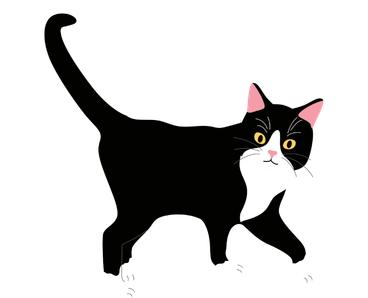


A tuxedo cat is not a specific breed, but rather a bicolor, black-and-white coat pattern found on domestic cats, characterized by a black body with white fur on the chest, paws, and sometimes the chin or face, resembling formal wear. These cats are known for their distinct markings and are often described as intelligent, affectionate, and energetic
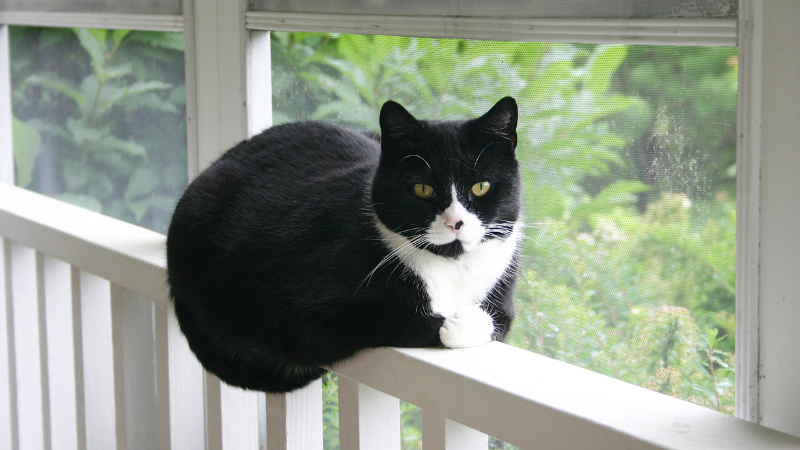
Tuxedo cats are named for their distinctive black-and-white coat pattern, which strongly resembles the formal “tuxedo” suit worn by men. They are usually black with white fur on their chests, paws, and sometimes faces, making them look perpetually dressed for a formal occasion.
Tuxedo Cat Appearance
Tuxedo cats are distinguished by their bicolor coats, featuring a largely solid black body with white markings on the chest, paws, belly, and throat, appearing as though they are wearing a formal tuxedo. These distinctive black-and-white cats often have white whiskers, chins, and sometimes a white blaze on their face, showcasing a high-contrast, elegant appearance.
Core Physical Features
- Color Distribution: Primarily black, white markings are typically limited to the paws (often called “spats” or “white boots”), chest, and belly.
- Facial Markings: Frequently include a white chin, bib, or muzzle, and sometimes a white stripe on the nose.
- “Bow Tie” Pattern: Many tuxedo cats have a distinct white patch at the throat.
- Eye Color: Usually green, gold, or copper.
- Pattern Consistency: The pattern is present from birth; kittens are simply smaller versions of the adult tuxedo pattern.
Variations and Genetics
- Not a Breed: Tuxedo is a bicolor pattern, not a specific breed. It can appear in many breeds, including long-haired and short-haired cats.
- “Masked” Tuxedo: Some have a black “mask” covering their eyes, with white covering their lower face.
- “Kitler” Pattern: A specific variation featuring a white “mustache”.
- Alternative Colors: While typically black and white, tuxedo patterns can appear with gray, orange, or even tortoiseshell/calico and white.
Coat and Build
- Fur Texture: Can range from short to long hair, depending on the breed.
- Symmetry: Many exhibit a highly symmetrical, “dressed-up” appearance.
- Size: Varies significantly based on the breed.
Tuxedo Cat Personality and Temperament
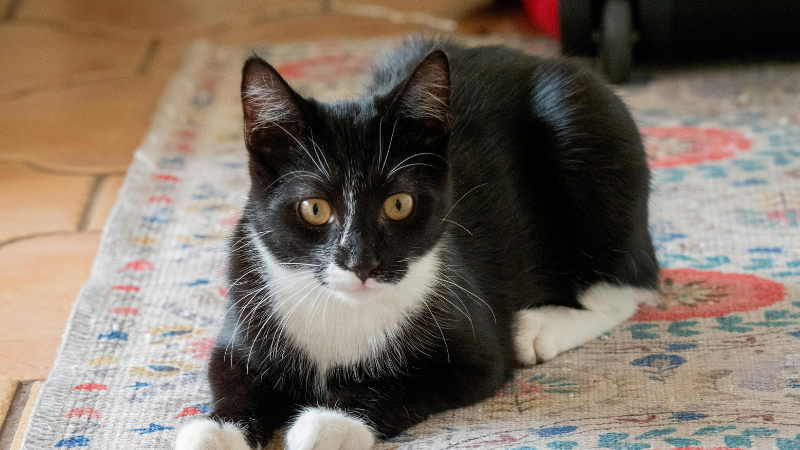
Tuxedo cats are renowned for their highly intelligent, affectionate, and “dog-like” personalities, often described as charming and chatty. While not a specific breed, these black-and-white patterned cats are known for being energetic, sociable, and sometimes mischievous, often forming very close bonds with their human families.
Key Personality Traits & Temperament
- High Intelligence: Often considered 200% smarter than other cats, they are curious, quick learners, and excellent problem solvers, sometimes learning to open doors or cabinets.
- “Tuxitude” (Spunky & Sassy): They often have a playful, confident, and slightly sassy attitude, sometimes described as energetic and mischievous.
- Affectionate & Loyal: They are known to be loyal to their owners and often follow them around, seeking attention and playtime.
- Vocal and Social: Tuxedo cats are often very talkative, chatting with their owners and communicating their needs.
- Active & Playful: They tend to remain playful throughout their lives, enjoying interactive games and activities.
Common Behaviors
- Attention Seeking: They enjoy being the center of attention and can be demanding of affection.
- Bonding: They form strong bonds with their human families, often acting protectively.
- Adaptability: Many owners find them to be easy-going, yet they can be quite chaotic and entertaining.
Appearance and Background
- Not a Breed: The tuxedo pattern (white chest, paws, and face) is a color variation found in many breeds, including Domestic Shorthairs, Maine Coons, and British Shorthairs.
- Gender: Tuxedo cats can be either male or female, as the pattern is not linked to gender.
Best Tuxedo Cat Care in the UAE
In-Home Cat Boarding Services
Cat sitting services
Brown Tuxedo Cat
A brown tuxedo cat is a rare and striking variation of the classic black-and-white bicolor cat, featuring a chocolate-brown or tan coat instead of black, paired with white markings. These cats often display the signature white chest, paws, and sometimes a blaze on the face, appearing as a “brown suit” rather than black.
Key Aspects of Brown Tuxedo Cats
- Coloration: These cats are usually chocolate brown, sometimes resulting from a rare genetic mutation of the black fur gene, or appearing as a “seal point” with low white spotting.
- Sun-Induced Brown: Many standard black tuxedo cats can appear brown in bright sunlight, which can be caused by genetic factors, aging, or a lack of tyrosine in their diet, often giving them a “reddish tinted” appearance.
- Uncommon Appearance: While traditional tuxedo cats are common, a true, distinctly brown and white patterned cat is relatively rare and often noted in online communities.
- Patterned Markings: Like their black counterparts, these cats have white markings on their paws (socks), chest, and face due to the piebalding gene.
Fluffy Tuxedo Cat
Fluffy tuxedo cats are striking pets that require consistent care to keep their long, “formal” coats healthy. Because their fur is dense, they need daily brushing with a metal comb to prevent painful mats in sensitive spots like the armpits and belly. During the spring and fall, these cats go through heavy shedding cycles where frequent grooming is essential to manage the loose undercoat.
To maintain hygiene, many owners also perform “sanitary trims” around the hindquarters to keep the long fur clean. While their look is high-maintenance, this routine prevents skin irritation and keeps their iconic black-and-white patterns looking sharp and vibrant.
Orange Tuxedo Cat
An orange tuxedo cat is a rare and striking color variation of the standard black-and-white tuxedo, featuring a bright orange/ginger coat with a white chest, paws, and sometimes a white blaze on the face. While technically a bicolor cat, this pattern gives them the appearance of wearing formal “orange tie” attire.
Key Features of Orange Tuxedo Cats
- Appearance: They have the classic tuxedo “vest” pattern but with orange tabby markings instead of black.
- Breed: Tuxedo is a marking pattern, not a breed, and can appear in mixed breeds, Maine Coons, and British Shorthairs.
- Personality: Often described as affectionate, chatty, and playful, combining the stereotypically friendly, “single-brain-cell” nature of orange cats with the loyal, “active” nature of tuxedo cats.
- Rarity: While common black-and-white tuxedos are frequent, a solid orange-and-white tuxedo pattern is less common than orange tabby or ginger-and-white cats.
- Gender: Many cats with mixed orange/black/white coloring (like “orange tuxedo calicos”) are female due to the genetics of coat color, though orange-only tuxedo cats can be male
Tuxedo Cat Health & Lifespan
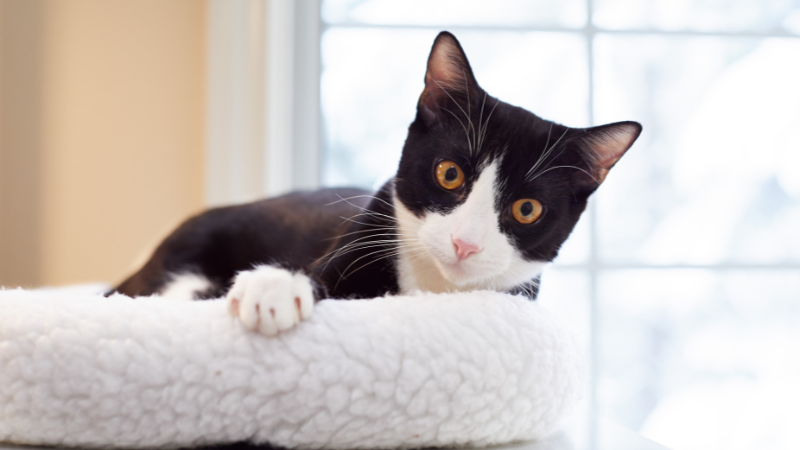
Tuxedo cats, defined by their black-and-white bicolor pattern rather than a specific breed, generally live 13 to 17 years, with many indoor, well-cared-for cats exceeding 20 years. Their health is generally robust but depends on proper diet, weight management to avoid obesity, and regular veterinary checkups to address common issues like dental disease.
Tuxedo Cat Health & Lifespan Key Factors:
Average Lifespan: While 13–17 years is typical, proper indoor care, diet, and veterinary attention can extend their life to 20+ years.
Health Considerations: Because they are not a distinct breed, they do not have specific genetic health issues linked solely to their coloring. However, they are prone to standard feline concerns:
Obesity: Often due to lack of exercise or overfeeding.
Dental Diseases: Common in most, if not all, cat breeds.
Kidney Disease & Urinary Tract Infections: Manageable with proper hydration and vet care.
Genetic Issues: They may inherit conditions from their specific parent breeds (e.g., Maine Coon, British Shorthair mixes).
Lifespan Factors: A nutritious, high-quality diet, consistent daily playtime (at least twice a day), and keeping them indoors are key to longevity.
Behavioral Health: Known for being intelligent and active, they require mental stimulation to avoid boredom-related stress.
Tuxedo Cat Care Guide
Tuxedo cats are not a specific breed but a black-and-white color pattern requiring standard, high-quality feline care, focused on maintaining their sleek coats and high energy levels. Key care includes weekly brushing, a protein-rich diet to manage weight, daily interactive play, and routine vet check-ups.
Grooming and Coat Maintenance
- Brushing: Short-haired tuxedos need brushing once a week, while long-haired ones need it 3-4 times weekly to prevent matting.
- Coat Care: Grooming helps maintain the natural shine of their black-and-white fur.
- Bathing: Rarely necessary, but pet-safe wipes or waterless shampoo can help keep white paws and chests clean.
Diet and Nutrition
- Weight Control: Tuxedo cats can be prone to overeating, so it is recommended to use measured meal portions rather than free-feeding.
- High-Quality Diet: Provide a protein-rich diet without unnecessary fillers.
- Hydration: Use wet food and offer multiple water sources, such as a pet fountain, to support kidney health.
Exercise and Mental Stimulation
- Active Play: Provide 15-20 minutes of daily play to satisfy their high intelligence and athletic nature.
- Toys: Use feather wands, laser pointers, and puzzle feeders to keep them engaged.
- Environment: Offer scratching posts and high perches for climbing.
Health and Veterinary Care
- Vaccinations: Keep up-to-date with FVRCP and rabies vaccines.
- Dental Care: Regularly brush teeth to prevent common issues like gingivitis.
- Parasite Control: Maintain consistent flea and worm prevention.
- Indoor Living: Keeping them indoors keeps them safe and increases their lifespan