

Choosing the right person to walk your dog is about more than finding someone who likes animals. Your dog needs someone who can follow their routine, handle them safely outdoors, understand their behavior, and provide consistent care. This is where the difference between a certified or professionally trained dog walker and a hobby walker becomes important.
A hobby walker may have genuine experience and a natural connection with dogs, but professional dog walking adds structured training, verification, personalized care, and service accountability. If you are deciding who should take responsibility for your dog during regular walks, understanding these differences can help you make a more confident choice.
What Makes a Certified Dog Walker a Better Choice?
A certified dog walker brings professional preparation to a responsibility that involves much more than physical exercise. Professional dog walking can require understanding canine behavior, handling different personalities, managing leashes, recognizing changes in a dog’s behavior, and responding appropriately to distractions or unexpected situations.
Certification can mean different things depending on the organization, so it is important to look beyond the certificate itself. A trustworthy professional should be able to explain their training, experience, and approach to dog care. Verification and professional procedures can add another level of confidence for owners who are trusting someone with their pet.
Pawland states that its dog walkers are highly trained professionals who can handle different types of dogs under various conditions. The company also states that walkers go through strict background checks and are deemed certified by its team of pet experts.
How Professional Dog Walkers Keep Dogs Safe
Safety is one of the strongest reasons to consider a trained dog walker. A walk can involve traffic, other dogs, unfamiliar people, loud sounds, changing weather, and other distractions. A walker needs to remain aware of the dog and the surrounding environment throughout the outing.
Professional experience becomes particularly valuable when a dog pulls on the leash, becomes distracted, reacts to another dog, or feels uncomfortable in a new environment. A trained walker can use their knowledge of the dog’s behavior and walking routine to make better decisions during these situations.
Pawland specifically highlights its walkers’ experience handling dogs under different outdoor conditions, including dogs that may be reactive to their surroundings. Its service also addresses dogs that are not yet leash trained, demonstrating that professional dog walking can involve handling and behavioral considerations beyond simply completing a walk.
Why Your Dog’s Individual Needs Matter
No two dogs have exactly the same walking routine. One dog may need a quiet route and a slower pace, while another may be more energetic and comfortable with a longer walk. Puppies, senior dogs, nervous dogs, and dogs with specific behavioral needs can all require different approaches.
A professional dog walker should therefore learn what works for your dog rather than applying the same routine to every booking. Factors such as walking duration, route, potty habits, leash behavior, and the dog’s comfort level can all influence the quality of a walk.
Pawland describes its dog walking service as personalized around the dog’s individual routine, including the route, duration of the walk, and potty habits. Its walkers are trained to recognize that a one-size-fits-all approach does not work for every dog.
When Experience Matters Most
Experience becomes particularly important when your dog has needs that require additional attention. A dog that is nervous around strangers, reactive toward other dogs, energetic, or still learning to walk on a leash may benefit from a walker who already understands similar situations.
This does not mean that every hobby walker lacks experience. Some may have spent years caring for their own dogs or helping friends and family with pets. The important difference is whether that experience is relevant to your dog’s specific needs and whether the walker has a reliable process for handling those situations.
Before hiring someone, ask about their experience with dogs similar to yours. A professional walker should be comfortable discussing your dog’s behavior, routine, and any challenges you want them to be aware of before the first walk.
Why Consistency Matters in Dog Walking
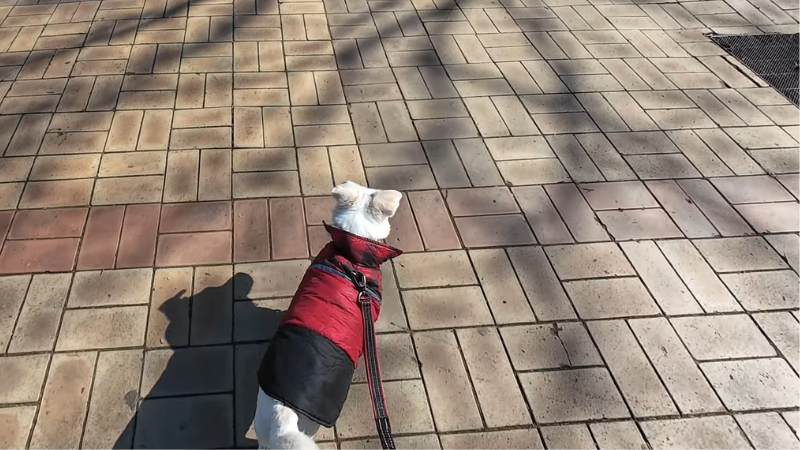
For many dogs, regular walks are part of their everyday routine. Maintaining consistent walking and potty times can help keep their daily schedule predictable while regular activity supports their overall physical and mental well-being.
Professional dog walking can be especially useful when owners have demanding work schedules or cannot consistently provide the walk themselves. Instead of relying on someone’s occasional availability, a professional service can be arranged around a regular schedule.
Pawland emphasizes maintaining regular walking and potty routines and provides dog walking services designed around the owner’s schedule. Its service also highlights the importance of keeping a dog’s walking routine consistent when the owner is busy or away.
What Should You Check Before Hiring a Dog Walker?
The word “certified” should not be the only thing you look for when choosing a dog walker. Ask what training the person has completed, what types of dogs they have handled, and whether they have experience with your dog’s age, temperament, and walking behavior.
It is also worth checking whether the walker or company uses background checks and whether there is a clear process for introducing the walker to your dog. A Meet & Greet is particularly useful because it gives you an opportunity to explain your dog’s routine and allows the walker and dog to become familiar with each other.
Pawland arranges a Meet & Greet after an owner selects a walker and before the regular service begins. The company also allows owners to choose from recommended walkers based on their requirements.
Communication is another important consideration. Ask how you will receive updates during the walk and what happens if the walker is unexpectedly unavailable. Pawland states that it shares the walker’s live location once the walker leaves the home with the dog, while its reservation process includes finding a replacement when a designated walker has an emergency.
Why Choose a Professional Dog Walking Service?
A professional dog walking service provides a structured experience rather than leaving everything to an individual’s personal availability. Training, verification, scheduling, personalized routines, communication, and support can work together to create a more dependable service for both the dog and owner.
Pawland’s dog walking service demonstrates this approach through trained walkers, background checks, personalized walking routines, Meet & Greet sessions, and live location sharing. The company also reports more than 8,000 completed dog walks, 440+ five-star reviews, and a 94% repeat-customer rate on its dog walking service page.
These details give pet owners practical information to consider when evaluating a professional dog walking provider. Instead of relying only on a claim that walkers are experienced, owners can look at the systems, verification, service process, and track record behind the service.
Is a Certified Dog Walker Worth It for Your Dog?
For many owners, the value of a certified or professionally trained dog walker comes from the combination of preparation and consistency. If your dog has a straightforward routine, an experienced individual may be able to provide excellent care. However, when you want structured scheduling, verified walkers, personalized care, and professional support, a trained dog walking service can provide additional reassurance.
The key is not simply choosing someone because they have a certification. Look at what their training covers, how they handle dogs, how they verify their walkers, and whether their service is designed around the individual needs of your dog.
For owners who want someone to take their dog’s walking routine seriously, these professional standards can make the decision easier.