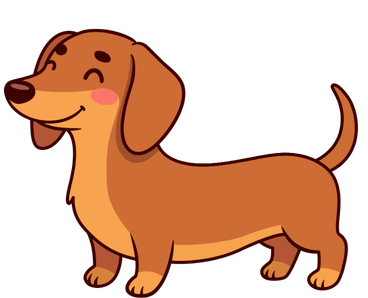


A Dachshund is a popular, small-statured hound dog breed, nicknamed “wiener dog” or “sausage dog,” characterized by its long, muscular body, short legs, and fearless, “big dog” personality. Originally bred in Germany to hunt badgers, they are known for being affectionate and intelligent, but also independent and stubborn, making them entertaining yet challenging companions.
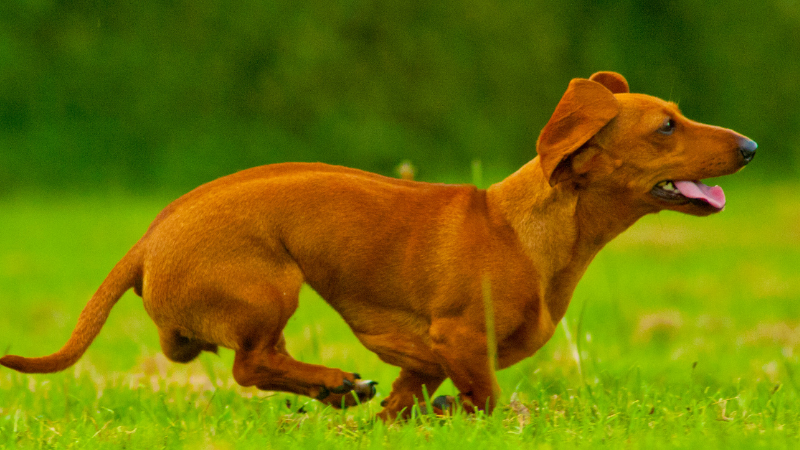
A dachshund is a German-bred scent hound with a long body and short legs, designed to hunt badgers, earning it the nickname “badger dog” (“Dachs” = badger, “Hund” = dog). Pronunciation varies, but it is correctly pronounced DAKS-hoond (German/closer to original) or DAKS-und (common English).
Dachshund Personality and Temperament
Dachshunds are bold, curious, and notoriously stubborn, possessing a “big dog” personality in a small body. Originally bred for hunting, they are intelligent, independent, and loyal, often forming intense bonds with their families. They are affectionate yet mischievous, requiring consistent training, regular exercise, and mental stimulation to manage their high energy and vocal nature
While sharing common traits, the three coat varieties can have slight variations in personality:
- Wire-haired: Often the most outgoing, mischievous, and active of the three, according to notes on Bruce’s Doggy Day Care.
- Long-haired: Generally considered the most laid-back and affectionate.
- Smooth-haired: Typically loyal to one person or family
Are Dachshunds Aggressive?
Dachshunds can be prone to aggression, with studies ranking them among the most aggressive breeds, often exhibiting fear-based or territorial behavior toward strangers and other dogs. Originally bred for hunting, they are tenacious, vocal, and can be possessive, though early socialization and consistent training can manage these tendencies, say experts at Don’t Fret Pet.
Different Types of Dachshunds
Dachshunds are categorized by size Standard (16–32 lbs) and Miniature (under 11 lbs), and three coat types (smooth, long-haired, wire-haired). Originally bred for hunting, they are known for long bodies, short legs, and brave, lively personalities, with minis often being more vocal. Varieties include long-haired and dapple patterns.
1. Standard Dachshund
- Size: Weigh 16–32 pounds, standing 8–9 inches at the shoulder.
- Purpose: Originally bred in Germany for hunting badgers.
- Temperament: Generally calmer than minis, sturdy, and loyal.
2. Miniature Dachshund (Mini)
- Size: Weigh 11 pounds or less, standing 5–6 inches tall.
- Purpose: Bred to hunt smaller prey like rabbits.
- Temperament: Energetic, vocal, and alert.
3. Long Haired Dachshund
- Coat: Possesses a sleek, often wavy, long coat with feathering on the ears, neck, and behind the legs.
- Grooming: Requires more regular grooming than smooth-coated dachshunds to prevent tangles.
4. Long Haired Mini Dachshund
- Coat: Combines the small size of the miniature (under 11 pounds) with the luxurious long coat.
- Characteristics: Known for a friendly, affectionate, and sometimes comical personality.
5. Miniature Long Haired Dachshund
These, like other miniature long-haired variations, typically weigh 4.5–6.8 kg (roughly 10–15 pounds) and stand 13-18 cm in height, making them popular, portable companions.
6. Dapple Dachshund
- Pattern: Refers to a coat pattern rather than a size/coat type, featuring patches of lighter color (white, grey, light brown) over a darker base (black, chocolate, red).
- Variation: Can occur in any size (standard or mini) and any hair type (smooth, long, or wire).
Dachshund Size, Weight, and Growth
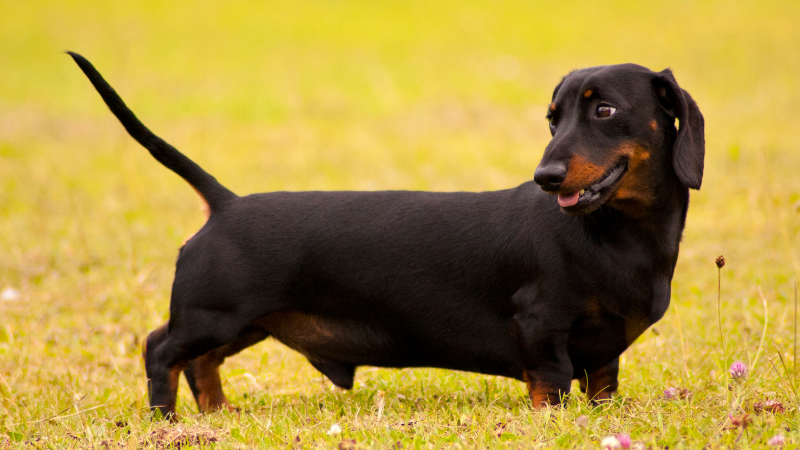
Dachshunds are classified by size into Standard (16–32 lbs) and Miniature (usually under 11 lbs). They grow rapidly for the first 8 months, reaching full height by 1 year, though they may fill out until 18 months. Key milestones include reaching half their adult weight by 4 months and 75% by 6 months.
Dachshund Sizes and Types
- Standard Dachshund: Weighs 16-32 pounds (7–14.5 kg) and stands 8-9 inches (20-23 cm) tall.
- Miniature Dachshund: Weighs 11 pounds (5 kg) or less, standing roughly 5-7 inches tall.
- Kaninchen (Rabbit) Dachshund: The smallest variant, under 8.8 pounds (4 kg).
Dachshund Growth Chart (Weight By Age)
- 8 Weeks: 3-5 lbs (Mini) or 5-7 lbs (Standard).
- 3 Months: 10.5 lbs (Average Standard).
- 6 Months: 12-25 lbs (Standard).
- 1 Year: Generally reached adult weight (16-32 lbs for Standard).
Growth and Development Factors
Growth Plate Closure: Usually, dachshunds reach full height at 1 year, but they may continue filling out until 18 months to 2 years of age.
Health & Weight Management: Due to their long spines, keeping a healthy weight is vital. Obesity, common in the breed, can lead to back issues.
Gender: Males tend to be on the heavier side, while females are often lighter.
What to Know Before Bringing One Home
Bringing a Dachshund puppy home is a delightful, high-energy experience. These “sausage dogs” are known for their intelligence, courage, and sometimes stubbornness. Their long, low bodies require special care to prevent back injuries.
- Back Protection is Key: Dachshunds are highly susceptible to Intervertebral Disc Disease (IVDD). Prevent them from jumping on/off furniture, and use ramps or stairs from a young age.
- Potty Training Challenges: They are notoriously stubborn and can take up to a year to be fully potty trained. Patience, consistency, and crate training are essential.
- Vocal & Active: Originally bred for hunting, they have a loud bark and strong digging instincts.
- Velcro Dogs: They bond strongly with their families and often suffer from separation anxiety if left alone for long periods.
- Weight Management: Keeping your puppy slim is crucial to protect their spine; obesity increases the risk of back issues.
Baby Dachshund Care Tips
- First Weeks: Set up a secure “safe space” or crate, as they can be very curious, energetic, and prone to finding trouble.
- Diet: Feed high-quality puppy food 3–4 times a day.
- Grooming: Start grooming early (weekly brushing, nail trims) to get them comfortable with being handled.
- Socialization: Introduce them to new people, animals, and environments early to prevent fear-based barking.
- Chewing: They are prone to biting and chewing; have plenty of teething toys available to save your shoes.
Miniature Dachshund Puppies
- Size: Generally weigh 11 pounds (5 kg) or less as adults.
- Temperament: Bold and confident, often acting like a much larger dog.
- Exercise: Need moderate exercise, such as two 20-30 minute walks daily, rather than just being pampered lap dogs.
Long Haired Dachshund Puppies
- Coat Care: These need regular brushing (at least 2-3 times per week) to prevent matting and tangles, particularly around the ears, belly, and legs.
- Personality: Often reported to be slightly calmer and more gentle than their smooth or wire-haired counterparts.
- Appearance: Their adult coat, which can take up to 18-24 months to fully develop, requires regular, gentle brushing.
Dapple Dachshund Puppies
- Appearance: They have a mottled coat with patches of lighter and darker colors.
- Health Warning: Double-Dapple (when both parents have the dapple gene) is highly discouraged, as it can cause serious, severe health issues, including deafness and blindness.
- Eye Color: Dapple Dachshunds may have blue eyes or mixed-color eyes.
Before committing, ensure you have the time, patience, and resources for a dog that can live 12–16 years.
Dachshund Health Issues and Back Problems
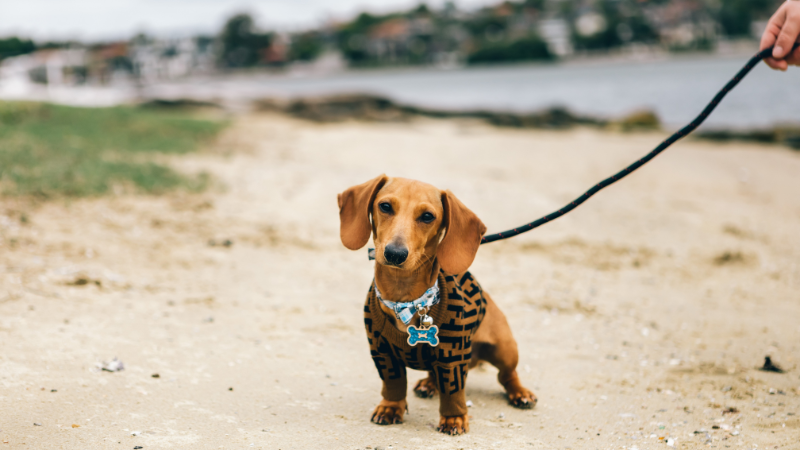
Dachshunds are highly predisposed to back problems, with roughly 25% suffering from Intervertebral Disc Disease (IVDD) in their lifetime due to their long spines and short legs. Key issues include disc rupture causing pain or paralysis, obesity, and joint issues. Prevention involves using ramps for furniture, maintaining a lean weight, and using harnesses to avoid neck pressure.
Key Dachshund Health Issues
- Intervertebral Disc Disease (IVDD): The most common issue (1 in 4 risk), where spinal discs degenerate, calcify, and rupture, leading to severe pain or paralysis.
- Obesity: Extremely common in the breed and, according to PetHelpful, puts critical extra strain on the spine, increasing IVDD risk.
- Other Potential Conditions: Patella luxation (knee issues), hip dysplasia, eye diseases (like PRA), and epilepsy.
Signs of Back Problems (IVDD)
- Behavioral Changes: Reluctance to walk, jump, or go down stairs.
- Physical Symptoms: Shivering, yelping, arched back (hunching), stiff, or walking “drunk”.
- Emergency Symptoms: Sudden, total paralysis of the hind legs or inability to control bladder/bowels.
Common Health Concerns
Dachshunds are known for their long, sturdy bodies and lively personalities, generally enjoying a long lifespan of 12 to 16 years. With proper care, many can live well into their late teens, though they are predisposed to specific health conditions that require proactive management.
Due to their unique structural anatomy, Dachshunds face several common health issues, with spinal problems being the most prevalent.
- Intervertebral Disc Disease (IVDD): This is the most significant health concern, affecting roughly 25% of Dachshunds. It is caused by a bulging or ruptured disc in the spine, which can lead to severe pain, reduced mobility, or paralysis.
- Obesity: Because of their long backs and short legs, carrying extra weight puts extreme strain on a dachshund’s spine, increasing the risk of IVDD and joint issues.
- Orthopedic Conditions (Patellar Luxation & Hip Dysplasia): Dachshunds can suffer from kneecaps that slip out of place (luxating patella) or improperly developed hip joints (hip dysplasia).
- Eye Problems: The breed is prone to several eye conditions, including:
- Progressive Retinal Atrophy (PRA): A genetic disease that leads to blindness.
- Cataracts and Glaucoma: Especially in older dogs.
- Dental Issues: Their small mouths can lead to crowded teeth, making them susceptible to periodontal disease, which can impact their overall health, including their heart, kidneys, and liver.
- Heart Disease: Mitral valve disease is common, particularly in senior dachshunds.
- Other Potential Conditions: Cushing’s disease (hormonal imbalance), allergies/skin issues (like Acanthosis Nigricans), and seizures.
Dedicated Care for Your Spirited “Sausage Dog”
- Dog Sitting Services: Perfect for “Velcro dogs” who struggle with separation anxiety. Our sitters provide the companionship your Dachshund craves in the comfort of home.
- Dog Boarding Services: A safe, supervised environment where your pup can stay overnight, ensuring they are monitored and kept away from steep stairs or high jumps.
- Dog Walking: Essential for weight management! We provide controlled, low-impact walks to keep your Dachshund lean and protect their spine without overexertion.
Dachshund Price and Puppy Costs in UAE
Dachshund puppies in the UAE are considered a premium breed, with prices reflecting their popularity and demand. In 2026, you can expect to pay anywhere from AED 4,500 to over AED 12,000 for a dachshund puppy, depending on the breeder, pedigree, color, and age.
Dachshund Puppy Price in UAE
- Standard Dachshunds: Prices generally start around AED 4,500 and can go up to AED 9,000 for standard purebred puppies.
- Premium/Imported Puppies: High-quality, vaccinated, and vet-checked puppies from specialized pet shops (e.g., in JLT or Arjan) can cost between AED 9,000 and AED 11,500.
- Rare Colors/Merle: Merle or uniquely colored miniature dachshunds are often priced higher, sometimes reaching AED 12,000.
Miniature Dachshund Price
Miniature Dachshunds are very popular for apartment living in Dubai, which keeps their demand high.
- Price Range: Typically, a Miniature Dachshund puppy costs between AED 5,000 and AED 7,000, with some variations based on rarity.
- Specialty Colors: Merle Miniature Dachshunds are highly sought after and can cost over AED 12,000.
Popular Dachshund Mix Breeds
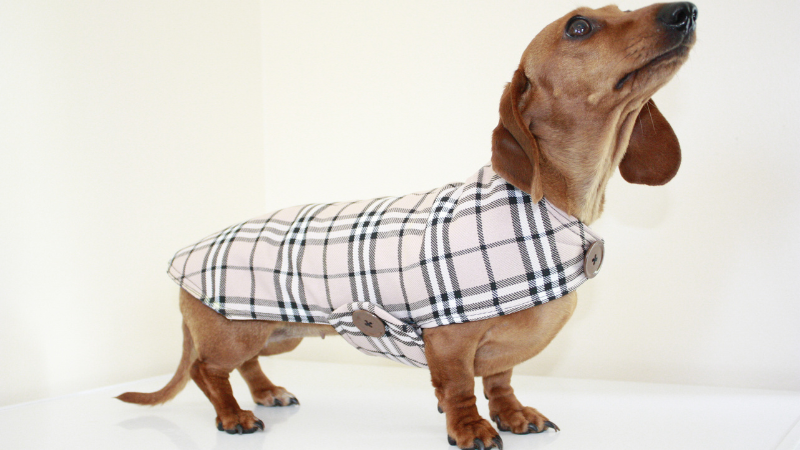
Dachshund mixes, often called “designer dogs,” are popular for combining the spunky, loyal personality of the Dachshund with the traits of other breeds to create unique, generally small-to-medium-sized companions.
Dachshund Poodle Mix (Doxiepoo)
Also known as a Doxiedoodle, this crossbreed pairs a Dachshund with a Miniature or Toy Poodle.
- Appearance: They are often small, fluffy dogs with a wide variety of coats ranging from wavy to curly and wiry. They typically have the long-backed, short-legged body of a Dachshund combined with a poodle’s coat, often making them low-shedding.
- Temperament: Doxiepoos are highly intelligent, playful, and affectionate, often functioning as excellent lap dogs. They are considered “small dogs with big personalities”.
- Care Needs: They are energetic and require regular mental stimulation, such as puzzle toys, to prevent boredom. They need regular grooming to prevent matting, especially if they inherit the curlier Poodle coat.
Chihuahua Dachshund Mix (Chiweenie)
This mix is known for its tiny stature and massive personality, often recognized as one of the most popular Dachshund hybrids.
- Appearance: Chiweenies are small, usually weighing 5 to 15 pounds, with a long body like a Dachshund and a small head often with upright Chihuahua ears.
- Temperament: They are affectionate and loyal to their owners, but can be wary of strangers and act as vocal, alert watchdogs. They are “Velcro dogs” that love to be on laps.
- Care Needs: Their short hair requires minimal grooming (weekly brushing), but they require regular dental care due to the dental issues common in small breeds. They are sensitive to cold and often require sweaters.
German Shepherd Dachshund Mix (Doxie Shep)
This unique combination blends the protective nature of a German Shepherd with the feisty, independent nature of a Dachshund.
- Appearance: They often result in a medium-sized dog that retains a longer body than a typical Shepherd but with a more robust build and larger ears than a standard Dachshund.
- Temperament: These dogs are highly loyal, intelligent, and protective, making them excellent, watchful companions. They are usually very devoted to their family but can be aloof with strangers.
- Care Needs: They require regular exercise and consistent training to manage their intelligence and potential protective tendencies.
Beagle and Dachshund Mix (Doxle)
A Doxle is a friendly, scent-driven, and active hybrid that combines the Beagle with the Dachshund.
- Appearance: Doxles usually have the long body and short legs of the Dachshund with the floppy ears and facial structure of a Beagle.
- Temperament: They are outgoing, social, and great for families, often inheriting the playful, hunting nature of both parent breeds. They are intelligent but can be stubborn.
- Care Needs: Due to their Beagle roots, they have high energy levels and require at least an hour of daily exercise. They are good with kids and other pets, but should be socialized early.