

Each day, many of our dogs stare aimlessly, waiting for our attention while we rush through our busy schedules. We throw the ball for them, giving them a little amusement, or take them on a nice long walk. But sometimes, it still feels like something is missing.
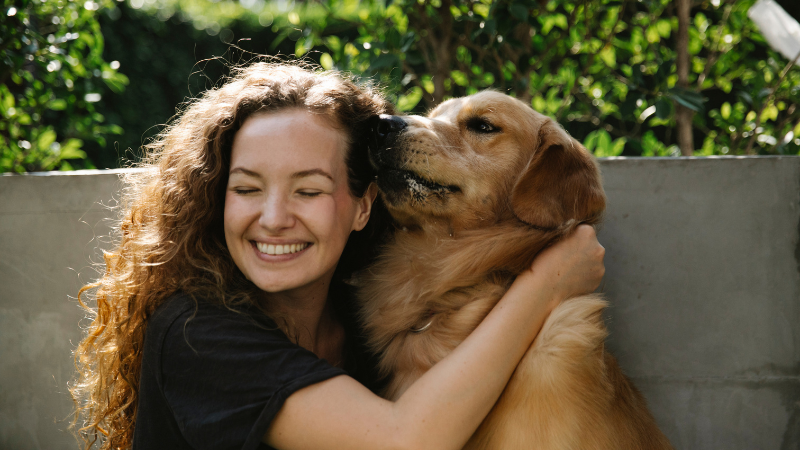
Imagine engaging your dog not just in physical exercise, but also challenging their mind. Mental enrichment can make every indoor day just as exciting as an outdoor adventure. Picture your dog eagerly listening to your every word, improving their focus, and growing in confidence right before your eyes.
While the concept of mental enrichment might seem daunting at first, it is actually very simple. Mental exercises can be just as tiring as an intense session of physical exercise, and they are often the missing link in fulfilling your dog’s needs.
Here are six essential mental stimulation games you can start playing with your dog today.
Phase 1: Games for Impulse Control and Focus
These first three games are built on a similar foundation but progress in difficulty. They all begin with your dog in a “stay” position on a marker spot (like a bed or a crate) and require your dog to build impulse control.
1. Release and Run
This is a simple game to build impulse control, focus, and drive.
- Place your dog in a stay on their marker spot.
- Grab a favorite toy that your dog has a high drive to retrieve.
- Back away slowly.
- Give your release cue and immediately run away from your dog.
- Dangle the toy by your legs as you run.
- When your dog catches up and grabs the toy, play a quick game of tug as a victory prize.
Bonus: This is also an excellent method to improve your dog’s emergency recall!
2. Hide and Seek
Once your dog understands “Release and Run,” you can take the challenge to the next level by removing yourself from their line of sight.
- Place your dog in a stay on their marker.
- Walk away and hide in another room. Keep the toy with you to provide an extra scent clue.
- Call out your release cue.
- When your dog finds you, celebrate wildly! Reward them with praise, pets, and a fun game of tug.
Tip: Start with easy hiding spots so your dog doesn’t get discouraged, then get more creative as they get better at using their senses.
3. Find It
This is the most advanced variation of the tracking games. Instead of looking for you, your dog must now use their nose to search for a hidden toy or treat while maintaining a steady stay until released.
Phase 2: Precision Targeting Games
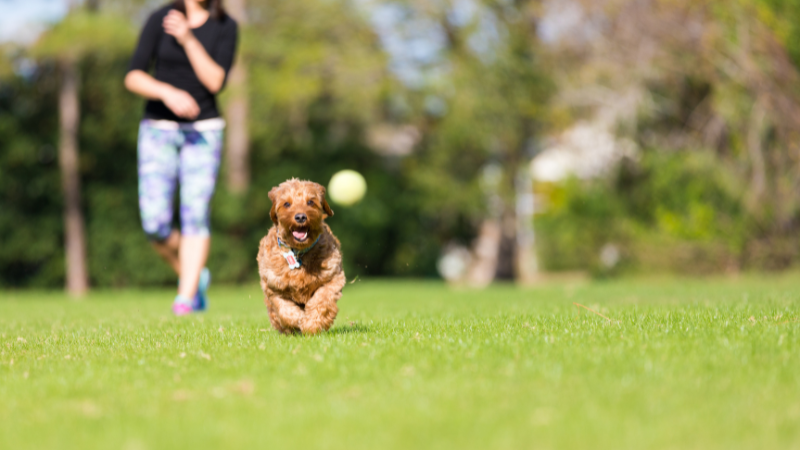
These next three exercises involve having your dog hit very specific targets, forcing them to pay close attention to your exact commands.
4. Basic Targeting (Touch)
Targeting is simply teaching your pup to touch your hand or an object on command. It sets the foundation for advanced trick training.
- Hold out your fingers near your dog.
- The moment your pup touches your fingers with their nose, mark the behavior (with a clicker or a word like “Yes!”) and reward them with a treat.
- Once they master this, you can adapt it into fun tricks like “Snoot,” “High Five,” or “High Ten.”
5. Base Training
In this exercise, you teach your dog to target an object away from you, going back and forth between different locations.
- Direct your dog to a familiar object, like their crate. Ask them to stay, then release, mark, and reward.
- Introduce a second familiar base, like their dog bed. Command them to “settle” on the bed. When they dart over and lie down, mark and reward.
- Call out the different bases randomly.
- Once they get the hang of it, you can stop rewarding them after every single stop. It becomes a fast-paced game of listening to your commands. You can even add a third base (like a small box) to increase the difficulty.
6. Advanced Targeting
This requires your pup to perform a specific action on a specific object, rather than just sitting on it.
- Object interaction: Teach your dog to paw at a soccer ball or push a specific object.
- The “Selfie” trick: Use yourself as the base and teach your dog to rest their chin or paws on your arm while you hold up a phone.
Combining Mind and Movement
What About Food Puzzles and Kongs?
Tools like food puzzles, lick mats, and stuffed Kongs are fantastic interim solutions. They are great for keeping your dog busy when you are multitasking and need to engage them indirectly. However, they lack the deep, personal interaction that your dog craves from you.
Mixing independent puzzle toys with interactive training games will give your dog the ultimate mental workout, leaving them happy, confident, and beautifully tired.