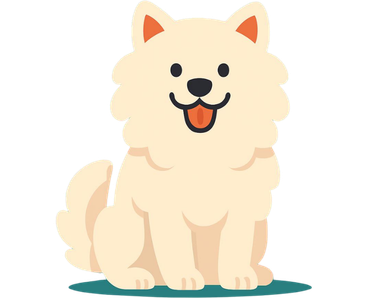


Fluffy dog breeds are known for their thick, soft coats and, often, a teddy bear appearance. Popular small options include Pomeranians, Bichon Frises, and Maltese, while larger fluffy dogs include Samoyeds, Newfoundlands, and Great Pyrenees. These breeds often require regular grooming, daily or weekly brushing to manage shedding and prevent matting.
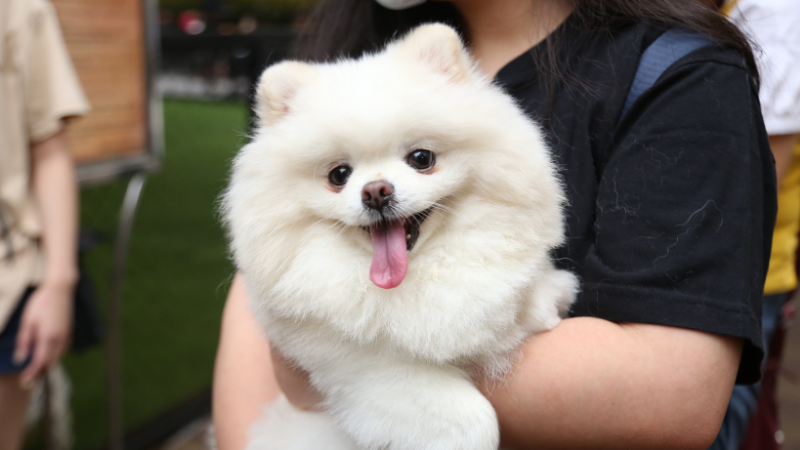
Fluffy dogs can make excellent family pets, but their suitability depends heavily on the specific breed’s temperament, size, and exercise needs. While their cloud-like coats are incredibly soft and perfect for comforting snuggles, their coat care demands a serious commitment. Many iconic fluffy breeds possess affectionate, gentle, and patient personalities that integrate wonderfully into busy households with children. However, because “fluffy” is an appearance rather than a single breed type, you must evaluate the dog’s inner traits alongside its external look
Different Types of Fluffy Dog Breeds
Fluffy dog breeds vary vastly across distinct categories based on their size, coat purpose, historical work, and grooming requirements. Understanding these differences is crucial, as a breed’s functional history dictates its current shedding patterns, exercise demands, and basic temperament.
1. Small & Toy “Puffballs.”
Bred mostly as companion lapdogs for royal courts or households, these dogs retain a compact size while boasting dense, luxurious coats.
Pomeranian: A tiny descendant of Arctic sled dogs with a fox-like face and an abundant, straight-haired topcoat over a dense undercoat.
Bichon Frise: Known for a soft, springy, and tightly curled white coat that makes them look like a literal cloud or cotton ball.
Shih Tzu: An ancient Tibetan breed with a long, silky, fast-growing coat that historically kept them warm in Himalayan palaces.
Maltese: Famous for floor-length, elegant, pure-white hair that lacks a traditional undercoat, creating a smooth and floating movement
Mini Fluffy Dogs
Mini fluffy dogs are among the most popular companion pets because they combine a cloud-like appearance with a manageable, compact size. They typically weigh under 10 kg (22 lbs) and adapt exceptionally well to apartment living.
Top Mini Fluffy Dog Breeds
Toy Poodle: Smart, highly trainable, and features tight, woolly curls that do not shed.
Bichon Frisé: Known for a cheerful personality and a velvety, powder-puff white coat.
Maltese: A tiny toy breed with glamorous, straight white hair and a very gentle demeanor.
Havanese: Features a soft, wavy coat and a sturdy, highly playful build.
Best Fluffy Dogs for Families
The best fluffy dogs for families combine a highly patient temperament, balanced energy levels, and a sturdy physical build that safely handles interaction with children. While their soft, cloud-like coats make them incredibly appealing companions, selecting the perfect family breed requires balancing your household’s daily schedule against the dog’s exercise and extensive grooming needs.
Comprehensive Comparison Matrix
The top-recommended fluffy family breeds, according to experts at the American Kennel Club, vary across distinct sizes, lifestyles, and coat-maintenance demands:
Breed | Size & Weight | Energy Level | Grooming Commitment | Best Household Match |
Bichon Frise | Small (5–9 kg) | Low to Moderate | High (Daily brush + pro trims) | Apartment living & allergy concerns |
Havanese | Small (3–6 kg) | Moderate | High (Frequent detangling) | Work-from-home “velcro” dog lovers |
Rough Collie | Large (22–34 kg) | Moderate to High | High (Undercoat raking) | Families with older kids & yard space |
Samoyed | Large (16–30 kg) | High | Extreme (Heavy seasonal shed) | Active outdoor families in cool climates |
Newfoundland | Giant (45–68 kg) | Low to Moderate | High (Shedding + drool cleanup) | Large homes seeking a patient guardian |
Bernese Mountain Dog | Giant (31–52 kg) | Moderate | High (Thick tricolor double coat) | Suburban homes needing a calm giant |
Fluffy Dog Temperament and Personality
Fluffy dogs generally possess affectionate, loyal, and social temperaments, often acting as gentle companions or playful family pets. While their thick coats suggest cuddly personalities, they require high-maintenance grooming and consistent training, as many were historically bred for working or herding roles. Common traits include high intelligence, a need for mental stimulation, and deep bonds with owners.
Key Temperament Traits
- Affectionate & Social: Many fluffy breeds, such as Samoyeds and Cavalier King Charles Spaniels, thrive on human companionship and are known for being gentle with families.
- Playful & Energetic: Breeds like the Barbet or Australian Shepherd are active and enjoy regular exercise, making them great for active households.
- Loyal & Protective: Large fluffy dogs, such as the Great Pyrenees, are often confident and protective of their families, inheriting instincts from their roles as guardians.
- Independent Personalities: Some, like the Chow Chow, can be reserved and independent, requiring experienced handling.
Common Fluffy Dog Personalities
- Small/Toy Breeds: Spirited, vocal, and charming, often acting as “circus performers” or lively apartment companions.
- Medium Breeds: Bouncy, adventurous, and enthusiastic.
- Large/Giant Breeds: Gentle giants, patient with children, and often deeply attached to their “pack”.
Grooming & Care Needs
- High Grooming Commitment: Daily or weekly brushing is essential to prevent mats in thick, double coats.
- Exercise Requirements: Despite their fluffy, sometimes sedentary appearance, many need consistent activity to avoid boredom.
- Temperature Sensitivity: Their thick coats make them prone to overheating, requiring care in hot, humid climates
Feeding and Nutrition for Fluffy Dogs
Proper nutrition for fluffy dogs focuses on high-quality, protein-rich diets to maintain skin and coat health, typically including essential fatty acids (omega-3s), vitamins A, D, E, K, and B vitamins. Key strategies include feeding based on life stage (puppy, adult, senior) and activity level, utilizing a controlled, scheduled feeding approach rather than free-feeding to prevent obesity.
Key Nutritional Components for Fluffy Coats
To maintain a healthy, thick coat and skin, focus on these nutrients:
- Omega-3 Fatty Acids: Crucial for skin health and coat quality, found in oily fish (salmon, mackerel) and krill oil.
- High-Quality Protein: Essential for hair growth, as hair is primarily protein.
- Nutrient Boosters: Consider adding egg yolk for vitamins and minerals, or kefir to support digestion.
Feeding Guidelines
- Scheduled Meals: Feed adult dogs two to three times a day to prevent weight gain and manage energy levels.
- Life Stage Matters: Puppies need high-protein, fat-rich foods, while seniors may need lower-calorie options to manage weight.
- Hydration: Always ensure access to fresh water and consider adding water or bone broth to dry kibble for better hydration.
- Avoid Fillers: Limit foods with artificial preservatives, colors, and fillers to reduce the risk of allergies and skin irritation
Trusted Pet Sitting Services for Fluffy Dogs in the UAE
Pawland is a 5-star rated, licensed UAE pet sitting company trusted by thousands of pet parents. With professional pet sitters, 24-hour booking availability, daily updates, and personalized pet care, Pawland provides safe, loving, and stress-free services for dogs, cats, and other pets across the UAE.
Dog Sitting Services
Pawland’s dog sitting services provide loving one-on-one care, feeding, playtime, exercise, and regular updates to keep dogs happy, safe, and comfortable while owners are away.
In-home Dog Boarding Services
Pawland’s In-home dog boarding services offer a safe home environment with personalized care, 24/7 attention, fun activities, and stress-free stays for dogs away from kennels.
Dog Walking Services
Pawland’s Dog walking services help dogs stay active and healthy through safe daily walks, exercise routines, outdoor playtime, and caring handlers across the UAE.
Common Health Issues in Fluffy Dog Breeds
Fluffy dog breeds often suffer from health issues related to their coats, skin, and specific anatomical structures. Common issues include skin allergies, hot spots, and infections, alongside breed-specific risks like joint dysplasia, breathing difficulties (especially in fluffy, flat-faced breeds), and eye problems.
Common Health Issues in Fluffy Breeds
- Skin and Coat Issues: Long or thick fur often hides infections and irritations.
- Hot Spots (Moist Dermatitis): Common in thick-coated dogs like Golden Retrievers, especially in warm weather.
- Skin Allergies & Yeast Infections: Often caused by allergens or moisture trapped in the coat, leading to dermatitis.
- Severe Shedding/Matting: Leads to skin discomfort and infections if not managed.
- Breathing Problems (Brachycephalic Syndrome): Affects fluffy, short-nosed breeds like Shih Tzus, Pomeranians, and Bulldogs, who often suffer from airway obstructions, making it difficult for them to cool down and breathe properly.
- Eye Problems:
- Conjunctivitis: Frequently occurs in short-nosed breeds.
- Progressive Retinal Atrophy (PRA): Hereditary retina deterioration, seen in many breeds.
- Cherry Eye: Common in various breeds.
- Joint and Orthopedic Conditions:
- Hip & Elbow Dysplasia: Common in larger fluffy dogs, like Golden Retrievers, causing lameness.
- Patella Luxation: Slipping kneecaps are common in small, fluffy breeds.
- Spinal Problems: Hemivertebrae can affect short-nosed, stocky breeds.
- Other Potential Issues:
- Hypothyroidism: Thyroid issues leading to weight gain and lethargy.
- Dental Issues: Overcrowded teeth in small, flat-faced breeds.
Fluffy Dog Puppy Care Guide
Caring for a fluffy puppy requires daily, gentle brushing to prevent severe matting, specialized grooming for their dense coat, and consistent, positive reinforcement training. Key needs include high-quality puppy food, routine vet check-ups, and early socialization to build a confident, healthy, and happy adult dog.
Essential Grooming for Fluffy Coats
Daily Brushing: Use a slicker brush and metal comb daily to prevent knots and matting in long-haired breeds.
Bathing: Bathe every 4–6 weeks with puppy-friendly shampoo, ensuring they are completely dry to avoid skin issues.
Hygiene Maintenance: Trim hair around the eyes, paw pads, and potty areas to maintain cleanliness.
Nail & Ear Care: Check ears weekly for debris and trim nails regularly to prevent discomfort.
Health and Nutrition
Diet: Feed high-quality puppy food specifically for their breed and size.
Vaccinations & Parasites: Follow a strict vaccination schedule from your vet, including regular worming and flea control.
Dental Care: Start brushing teeth early to prevent gum disease.