



A healthy gut is one of the most important parts of your dog’s overall health. It affects digestion, nutrient absorption, immunity, and even energy levels. While many pet owners focus on choosing the right dog food, they often overlook the impact that certain human foods can have on their dog’s digestive system. Some foods may irritate the gut and trigger digestive problems, while others naturally support healthy digestion and encourage beneficial gut bacteria.
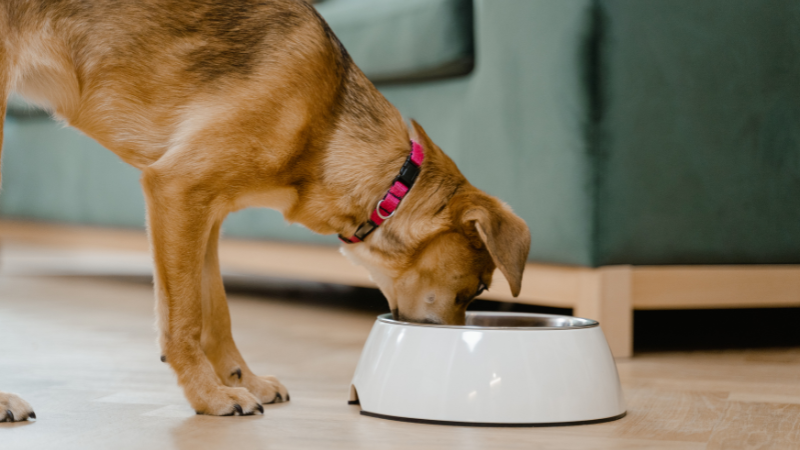
Before adding healthy foods to your dog’s diet, it’s just as important to know which foods should be avoided. Making a few simple dietary changes can help reduce digestive discomfort and improve your dog’s long-term gut health.
Foods That Can Harm Your Dog’s Gut
Not every food that people enjoy is suitable for dogs. Highly acidic foods, including lemons and apple cider vinegar, may worsen acid reflux in dogs that already suffer from digestive issues. Fatty foods like bacon can also be harmful because they increase the risk of pancreatitis and may lead to vomiting or diarrhea.
Highly processed dog foods that contain artificial colors, preservatives, and low-quality ingredients may also irritate the digestive tract. Poor-quality carbohydrates, especially corn, can be difficult for many dogs to digest, while legumes such as peas may contribute to bloating, gas, and reduced nutrient absorption. Limiting these foods can help protect your dog’s digestive system and create a healthier gut environment.
1. Raw Honey
Raw, unpasteurized honey is one of the best natural foods for supporting gut health. It works as a natural prebiotic, helping beneficial bacteria grow inside the digestive system. Honey also contains digestive enzymes that assist with breaking down carbohydrates and has natural antibacterial properties that may help reduce harmful bacteria in the gut. In addition, it may help soothe inflammation within the digestive tract.
A small amount is all that’s needed. Around ¼ teaspoon for every 10 to 20 pounds of body weight per day is generally recommended.
2. Ginger
Ginger has been used for centuries to support digestion and relieve nausea. It contains natural enzymes that help digest protein while also providing anti-inflammatory benefits. Because ginger is naturally alkalizing, it may also help dogs that experience acid reflux by reducing excess stomach acidity.
One simple way to offer ginger is by adding about a teaspoon of fresh ginger to a cup of water. Mixing in a little honey can make it more appealing for dogs while providing additional digestive benefits.
3. Bananas and Apples
Bananas and apples are both excellent fruits for digestive health. Bananas contain digestive enzymes that help break down carbohydrates and are naturally alkaline, making them a good option for dogs with acid reflux. They are also easy to digest and provide important nutrients.
Apples are rich in fiber, which helps support regular bowel movements and encourages healthy digestion. They also contain antioxidants that may help reduce inflammation in the digestive tract, while their natural fiber acts as a prebiotic to nourish beneficial gut bacteria. A serving of about ¼ banana or ¼ apple for every 20 pounds of body weight is generally suitable.
4. Cucumbers and Kale

Cucumbers are made up of more than 90% water, making them a refreshing snack that may help dilute stomach acid while supporting hydration. They also provide fiber that promotes healthy digestion and functions as a natural prebiotic for beneficial bacteria.
Kale is packed with vitamins, minerals, iron, fiber, and plant compounds that support digestive health. It contains natural sugars that encourage the growth of healthy gut bacteria and may also help reduce inflammation. Even a small amount, such as one chopped teaspoon per 10 pounds of body weight daily, can provide digestive benefits.
5. Plain Unsweetened Yogurt
Plain, unsweetened yogurt is an easy way to introduce beneficial probiotics into your dog’s diet. It naturally contains bacteria such as Lactobacillus and Bifidobacterium, which help maintain a balanced gut microbiome. These probiotics may support better digestion and can be especially helpful for dogs dealing with ongoing diarrhea or digestive upset.
Mixing one teaspoon per 10 pounds of body weight into your dog’s regular food is generally enough to provide these digestive benefits.
6. Sweet Potato
Sweet potatoes are an excellent source of fiber and one of the healthiest carbohydrates for dogs. The fiber helps promote regular bowel movements, while the natural nutrients act as prebiotics that support the growth of beneficial gut bacteria.
They also contain anti-inflammatory compounds that may benefit dogs with inflammatory bowel conditions. A serving of about one tablespoon for every 20 pounds of body weight each day is typically sufficient.
7. Ground Flaxseed
Ground flaxseed is another excellent addition to a gut-friendly diet. It is rich in fiber and omega-3 fatty acids, helping support healthy digestion while reducing inflammation. Flaxseed also functions as a prebiotic, encouraging the growth of beneficial bacteria and supporting regular bowel movements.
A general recommendation is ¼ teaspoon per cup of food daily, making it an easy ingredient to add to your dog’s meals.
Bonus: Pumpkin
Pumpkin has long been recommended for dogs with digestive problems because it is rich in soluble fiber. This type of fiber absorbs water and helps regulate bowel movements, making pumpkin useful for both constipation and overall digestive health. It also contains beta-carotene, a powerful antioxidant that may help reduce inflammation within the digestive tract.
A serving of about one tablespoon of canned pumpkin for every 20 pounds of body weight once a day is commonly suggested.
Trusted Professional Dog Care Services Across the UAE
At Pawland, your dog’s health, comfort, and happiness always come first. As a top-rated and award-winning pet care provider, we connect pet parents with experienced, background-verified dog sitters who provide personalized care. From timely meals and fresh water to playtime, exercise, and regular updates, every dog receives attentive, loving care tailored to their routine.
Dog Walking Services
Our dog walking services keep your dog active, mentally stimulated, and on a consistent routine. Whether you need daily walks or occasional exercise, Pawland’s experienced dog walkers provide safe, enjoyable outings that support your dog’s physical health and overall well-being.
Dog Sitting Services
Pawland’s dog sitting services allow your dog to stay comfortable in a familiar home environment while receiving one-on-one care from trusted, experienced sitters. We follow your dog’s daily routine, provide meals, playtime, companionship, medication if needed, and regular photo updates for complete peace of mind.
Dog Boarding Services
Our dog boarding services offer a safe, loving home-away-from-home when you’re traveling. Your dog stays with a trusted, experienced caregiver who provides personalized attention, daily exercise, timely meals, and plenty of affection, ensuring a comfortable, stress-free boarding experience.