


Indoor cats may spend their entire lives inside the comfort of your home, but that doesn’t mean they’re free from stress. In fact, because they live in a smaller, more predictable environment, even minor changes can affect their emotional well-being. A different routine, long hours alone, unfamiliar visitors, or being moved to a new place can make an indoor cat anxious.
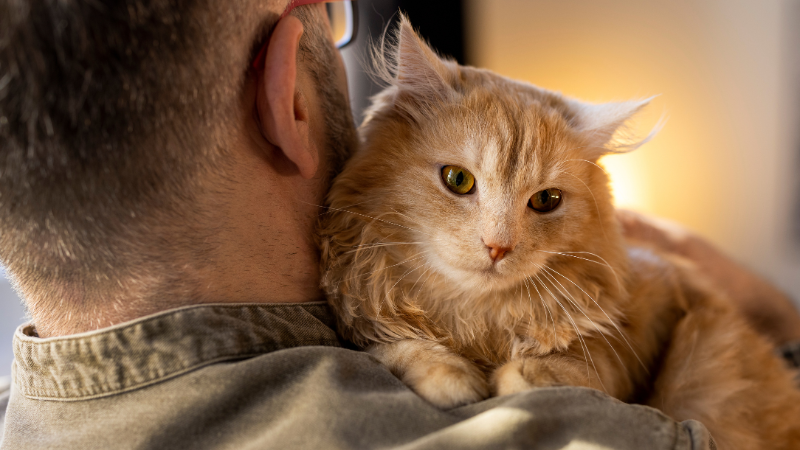
Many pet owners believe leaving enough food and fresh water is all their cat needs while they’re away. Although those essentials are important, they don’t replace the routine, companionship, and familiar surroundings that cats depend on every day. This is why more cat owners are choosing in-home cat boarding instead of traditional boarding facilities.
Why Indoor Cats Are More Sensitive to Stress
Unlike outdoor cats, indoor cats build their confidence around routine and familiarity. Their world is made up of familiar rooms, favorite sleeping spots, scratching posts, litter boxes, and the people they see every day. This predictable environment gives them a strong sense of security.
Because their world rarely changes, even small disruptions can feel overwhelming. A different feeding schedule, rearranged furniture, unfamiliar noises, or an owner leaving for several days may be enough to make an indoor cat feel uncertain.
Cats also hide discomfort extremely well. Instead of showing obvious signs of anxiety, they often become quieter or begin acting differently. Many owners don’t realize their cat is stressed until unusual behaviors start appearing.
Common Causes of Stress in Indoor Cats
Stress doesn’t happen without a reason. Usually, it develops after something changes in your cat’s environment or daily routine.
One of the most common causes is being left alone for long periods. Cats may appear independent, but many still rely on regular interaction and predictable routines. When those suddenly disappear, some cats become anxious.
Other common stress triggers include:
- Changes to feeding or play schedules
- Owners traveling for work or vacation
- Moving to a new home
- Loud construction or neighborhood noise
- New pets joining the household
- Visitors staying in the home
- Changes to familiar furniture or resting areas
While every cat reacts differently, indoor cats generally cope much better when their daily environment remains consistent.
Signs Your Indoor Cat May Be Feeling Stressed
Cats rarely tell us they’re anxious in obvious ways. Instead, stress usually appears through changes in their behavior or physical health. One of the earliest signs is hiding more often than usual. A cat that once enjoyed sitting near windows or spending time with the family may suddenly disappear under the bed or inside a closet.
Changes in appetite are another common warning sign. Some cats lose interest in food, while others eat unusually fast and may even vomit shortly afterward. Stress can also lead to excessive grooming. If your cat begins licking the same area repeatedly or develops thin patches of fur, anxiety may be contributing to the problem.
Other signs include:
- Using the litter box less consistently
- Urinating outside the litter box
- Increased aggression or irritability
- Sleeping significantly more than usual
- Becoming unusually vocal
- Avoiding family members
Although these behaviors can indicate stress, it’s always important to rule out medical conditions by consulting your veterinarian if the behavior is new or sudden.
How In-Home Cat Boarding Naturally Reduces Stress
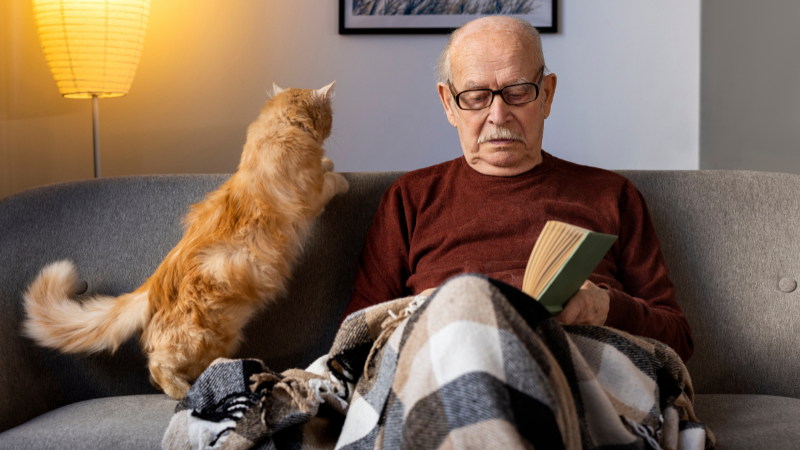
In-home cat boarding solves many of these challenges by allowing your cat to stay exactly where they feel safest at home. Instead of asking your cat to adapt to a new environment, the caregiver adapts to your cat’s existing routine. This simple difference makes a significant impact on their emotional well-being.
Familiar Surroundings Provide Comfort
Cats feel secure because their territory remains unchanged. Their favorite bed, scratching post, litter box, window perch, and sleeping spots all remain exactly where they expect them to be. Instead of exploring an unfamiliar boarding facility, they continue living in an environment filled with familiar scents and routines.
Daily Routines Stay Consistent
Routine is one of the biggest sources of confidence for indoor cats. Professional in-home caregivers follow your cat’s regular schedule by maintaining consistent feeding times, cleaning the litter box, refreshing water, administering medication when needed, and providing play sessions throughout the day. Because little changes from your cat’s perspective, they experience far less stress.
Regular Human Interaction Prevents Loneliness
Although cats enjoy their independence, they still benefit from daily companionship. Professional caregivers provide gentle interaction, affection when welcomed, conversation, and enrichment that helps prevent boredom and anxiety while you’re away. This consistent human presence often helps cats remain calm throughout your trip.
Play Helps Release Stress
Interactive play isn’t just entertainment, it’s an important part of a cat’s emotional health. Daily play sessions encourage natural hunting instincts, provide mental stimulation, burn excess energy, and help reduce anxiety. After a satisfying play session, most cats naturally settle down to rest, creating a healthy daily rhythm.
Individual Care Makes a Difference
Every cat has different habits and preferences. Some enjoy long play sessions, while others simply appreciate quiet companionship. A professional in-home caregiver adjusts their approach to match your cat’s personality instead of following a one-size-fits-all routine.
Why Routine Matters More Than Many Owners Realize
Cats thrive when each day follows a familiar rhythm. Predictable feeding times, regular play sessions, clean litter boxes, and consistent interaction help them feel secure. When this routine suddenly changes, uncertainty replaces confidence.
In-home cat boarding helps preserve the rhythm your cat already knows. Rather than forcing them to adjust to a completely different schedule, they continue enjoying the daily habits that make them feel safe. For indoor cats, this consistency often makes all the difference.
Is In-Home Cat Boarding the Right Choice?
In-home cat boarding is especially beneficial for indoor cats that dislike change or become anxious in unfamiliar environments.
It can be an excellent option for:
- Kittens that need regular supervision
- Senior cats with established routines
- Cats taking daily medication
- Multi-cat households
- Shy or nervous cats
- Cats that have previously struggled in traditional boarding facilities
Because care is personalized and provided in a familiar setting, many indoor cats remain calmer throughout their owner’s absence.