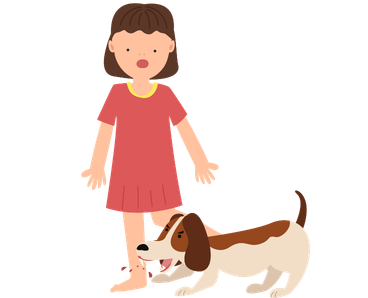


Puppy biting is one of the most common challenges new dog owners face. A playful puppy may suddenly bite your hands, grab your clothes, chew your shoes, or chase your feet. While some mouthing is normal during puppyhood, it is still important to teach your puppy that biting people is not acceptable. 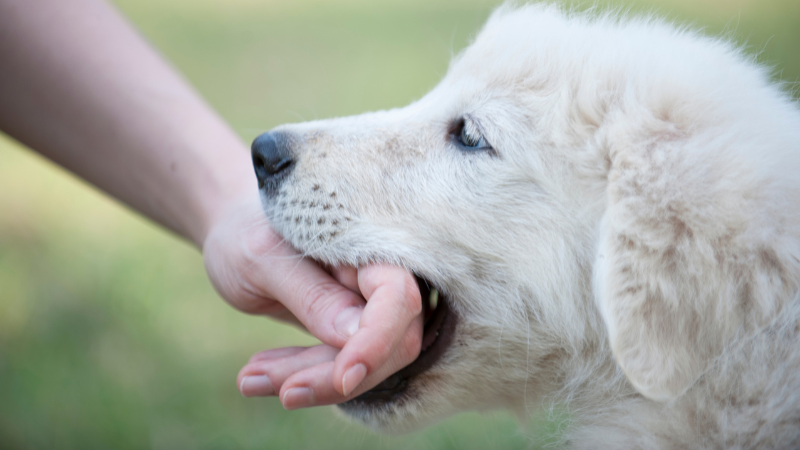
The good news is that you do not need to make training complicated. With clear boundaries, consistent responses, positive reinforcement, and the right alternatives, you can help your puppy learn to control their biting and make better choices.
Why Do Puppies Bite?
Puppies naturally use their mouths to explore their surroundings. Biting can happen during play, teething, excitement, frustration, or when a puppy wants attention. Some puppies also become much more mouthy when they are tired or overstimulated.
The source material describes a young German Shepherd that became frustrated when its behavior was interrupted and responded by biting and grabbing clothing. The training focused on teaching the dog that certain behaviors had boundaries while also providing positive alternatives.
Understanding why your puppy is biting can make it much easier to respond appropriately instead of simply trying to stop the behavior.
How to Stop Puppy Biting Quickly
There is no single trick that will permanently stop every puppy from biting in seconds. However, you can often stop an individual biting episode quickly by staying calm and responding consistently.
When your puppy bites during play, stop the interaction instead of turning it into another exciting game. Keep your hands still, calmly disengage, and give your puppy an appropriate toy or chew. When your puppy chooses the toy instead, praise them and continue with positive interaction.
Teach Your Puppy a Clear “Stop” Cue
Words such as “no,” “off,” or “leave it” can become useful training cues, but puppies do not automatically understand what these words mean. They need to learn the meaning through consistent training and repetition.
The source material explains that the verbal cue initially had little meaning to the dog and became more effective as the dog learned to associate it with stopping the unwanted behavior.
Instead of repeatedly saying “no,” use your chosen cue calmly and then show your puppy what you want them to do instead. For example, if your puppy bites your hand, stop the interaction, offer a suitable toy, and praise your puppy when they engage with it.
Redirect Puppy Biting to Appropriate Toys
Redirection is one of the simplest ways to teach a puppy what they are allowed to bite. Keep safe puppy toys nearby so you can quickly offer an appropriate alternative when your puppy becomes mouthy.
If your puppy goes for your hand, sleeve, or shoe, calmly redirect them toward a toy. Avoid making the redirection too exciting because your goal is to teach your puppy that toys are the appropriate outlet for chewing and biting.
Once your puppy chooses the toy, reward that decision with praise or play. The source material also emphasizes giving positive alternatives and reinforcing better behavior after setting boundaries.
Don’t Accidentally Make Biting More Exciting
Puppies quickly learn which behaviors get attention. If your puppy bites your hand and you immediately wave your hands, push them away, chase them, or start wrestling, they may see your reaction as part of the game.
Instead, make your response calm and predictable. Stop the interaction, remove the opportunity to continue biting, and redirect your puppy once they settle. This helps your puppy understand that biting people does not produce the exciting reaction they are looking for.
Consistency is especially important here. If biting sometimes leads to play and sometimes ends the interaction, your puppy may struggle to understand the rule.
Teach Your Puppy How to Calm Down
Some puppies do not simply need to learn not to bite. They also need to learn how to move from excitement back to calm behavior. The source material describes this as giving the dog an “off switch” helping the puppy understand that play and excitement have limits.
You can practice this naturally during play. After a short game, stop and give your puppy time to settle. When they sit, lie down, or calmly chew a toy, reward them. Over time, your puppy learns that calm behavior is also a good way to receive attention and rewards.
A balanced daily routine can also make this easier. Age-appropriate exercise, mental stimulation, and rest all have a role in helping a puppy manage their energy. For owners who struggle to maintain regular walks because of work or a busy schedule, Pawland’s dog walking services can help keep a puppy’s walking routine consistent.
An Overtired Puppy May Bite More
A tired puppy is not always a calm puppy. When puppies become overtired or overstimulated, they can become more energetic, restless, and mouthy. You may suddenly notice more jumping, grabbing, barking, or biting.
If your puppy becomes difficult to manage after a long period of play, give them an opportunity to rest. A quiet environment, appropriate chew toy, and consistent sleep routine can help prevent some unnecessary biting episodes. Learning when your puppy normally becomes overstimulated can also help you step in before the behavior gets worse.
What to Do When Your Puppy Bites Your Clothes
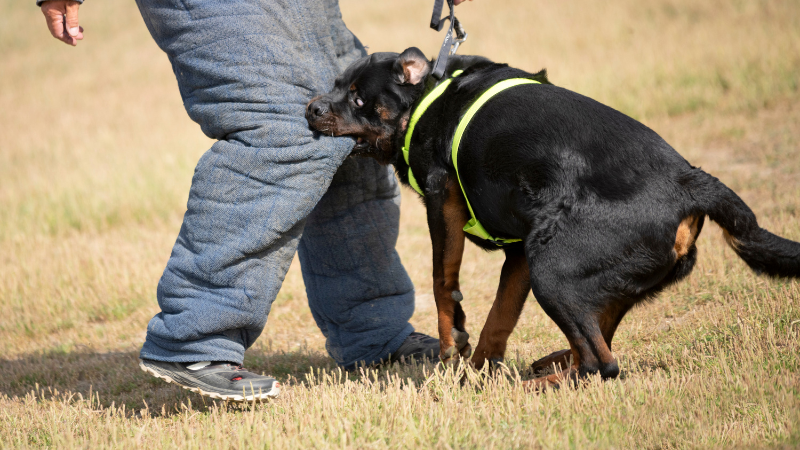
Moving clothes can be extremely tempting to a puppy. If your puppy grabs your trousers, socks, or shoes, avoid pulling back and turning the situation into a tug-of-war. Instead, stop moving when possible and calmly redirect your puppy toward an appropriate toy. Once they release the clothing and engage with the toy, praise them.
The source transcript specifically describes the young German Shepherd grabbing clothing and boots, showing how quickly puppy biting can become disruptive when it is not managed.
Reward Your Puppy for Good Choices
Stopping unwanted behavior is only one part of puppy training. Your puppy also needs to understand which behaviors you want to see more often.
If your puppy stops biting and sits calmly, praise them. If they choose a chew toy instead of your hand, reward them. If they settle after an exciting play session, give them positive attention.
The source material highlights praise, affection, food, toys, and positive interaction after the dog made better choices. This helps your puppy understand that calm and appropriate behavior gets them something they want.
Should You Physically Correct a Puppy for Biting?
Some training methods use physical corrections to interrupt unwanted behavior. The source transcript discusses techniques such as touch and lead corrections.
However, these methods should not be copied from a video and used on a puppy without professional guidance. Physical punishment can create fear, frustration, or defensive behavior, especially when a puppy does not understand what is expected.
For most puppy owners, focusing on management, redirection, clear boundaries, and reward-based training is a safer approach. If your puppy’s biting is severe, persistent, or causing injuries, consider working with a qualified professional who can assess the behavior in person.
A Simple Puppy Biting Training Method
When your puppy bites, remember this simple sequence:
Stop → Redirect → Reward → Repeat.
First, calmly stop the interaction. Then redirect your puppy to an appropriate toy. When they choose the toy or settle down, reward them with praise, affection, or play. Finally, repeat the same response every time biting happens.
You do not need to shout or create a dramatic reaction. Your consistency is more important than the intensity of your response.
A consistent daily routine can make this process easier because puppies benefit from predictable periods of activity, training, play, and rest. If regular exercise is difficult to manage, Pawland’s dog walking service can provide a structured walking routine while you continue working on your puppy’s behavior at home.
When is Puppy Biting a Serious Problem?
Most puppies go through a mouthy stage, but some biting behaviors need professional attention. Seek help if your puppy frequently breaks the skin, bites with increasing intensity, becomes aggressive around food or toys, shows threatening body language, or cannot settle despite consistent training.
A veterinarian can also help rule out pain or other medical problems that could contribute to unusual behavior. Getting professional guidance early can prevent a difficult behavior from becoming a bigger problem as your puppy grows.
How Long Does It Take to Stop Puppy Biting?
Every puppy is different, so there is no exact timeline for stopping puppy biting. Age, temperament, teething, environment, sleep, training consistency, and previous experiences can all affect how quickly a puppy improves.
Instead of expecting the biting to disappear overnight, look for gradual progress. Fewer biting episodes, softer mouthing, quicker responses to redirection, and longer periods of calm behavior are all positive signs.
The most important thing is to remain consistent. Your puppy is learning a new behavior, and repetition helps make that lesson clear.