

Every dog deserves a happy and fulfilling life. While food, water, and shelter are essential, they aren’t the only things that matter. Dogs also need love, mental stimulation, exercise, and quality time with the people they trust.

The good news is that making your dog happier doesn’t require expensive toys or hours of free time. In fact, just 10 minutes of focused attention each day can improve your dog’s physical health, emotional well-being, and behavior.
Whether you have a playful puppy or a calm senior dog, these simple daily habits can make a noticeable difference. Let’s explore the small changes that can lead to a happier companion. Dogs thrive on routine. They feel more secure when they know what to expect each day. Consistent care also helps reduce stress, encourages good behavior, and strengthens the bond between you and your pet. Fortunately, creating a better routine doesn’t have to be difficult. A few thoughtful habits can keep your dog healthier, more confident, and excited about every day.
1. Feed Your Dog a Balanced Diet
A healthy diet is one of the most important parts of your dog’s happiness. Proper nutrition provides the energy your dog needs to play, learn, and stay active. It also supports healthy skin, a shiny coat, strong muscles, and a healthy immune system.
However, every dog has different nutritional needs. Puppies require food that supports growth, while senior dogs often need fewer calories and extra joint support. Your dog’s breed, size, activity level, and overall health should also influence their diet.
When choosing dog food, look for products that contain high-quality animal protein and essential nutrients. Avoid foods with excessive fillers or unnecessary artificial additives whenever possible. If you’re unsure what your dog needs, ask your veterinarian for advice. Fresh, clean water is just as important as food. Refill your dog’s water bowl daily and encourage them to drink after exercise, especially during warm weather.
2. Make Time for Interactive Play
Playtime is much more than entertainment. It helps your dog stay physically fit, mentally stimulated, and emotionally satisfied. Better yet, interactive games strengthen the trust between you and your furry friend.
Instead of leaving toys on the floor all day, join the fun. Your participation makes the experience more rewarding for your dog.
Some great activities include:
- Playing fetch in the yard.
- Tug-of-war with a safe rope toy.
- Hide-and-seek using treats.
- Puzzle toys that reward problem-solving.
- Short games of chase in a secure area.
In addition, rotating your dog’s toys every few days keeps them interesting. Dogs can become bored with seeing the same toy every day, even if it’s one of their favorites.
3. Turn Walks Into Adventures
Many owners think a quick walk around the block is enough. While any exercise is beneficial, dogs also need opportunities to explore their surroundings.
Walking isn’t only about burning energy. It’s also a chance for your dog to sniff new scents, observe different environments, and experience mental stimulation. In fact, sniffing is one of the most enriching activities a dog can enjoy. Rather than rushing through your walk, allow your dog to investigate safe areas along the route. Letting them pause to sniff can make the walk far more satisfying.
You can also keep walks interesting by:
- Trying different walking routes.
- Visiting dog-friendly parks.
- Exploring quiet nature trails.
- Allowing safe social interactions with other dogs.
As a result, your dog returns home feeling both physically tired and mentally fulfilled.
4. Practice Positive Training Every Day
Training isn’t something you only do when your dog is a puppy. Short daily training sessions keep your dog’s mind active while reinforcing good manners. Fortunately, these sessions don’t have to be long. Even five to ten minutes is enough to practice simple commands like:
- Sit
- Stay
- Come
- Leave it
- Down
- Wait
Always reward the behaviors you want to see. Praise, treats, toys, and affection all help your dog understand that they’re making the right choice. On the other hand, punishment and yelling often create fear rather than learning. They can damage your relationship and may even contribute to unwanted behaviors. Positive reinforcement builds confidence. Over time, your dog becomes more eager to learn because training feels rewarding instead of stressful.
5. Keep Up With Regular Grooming
Grooming does much more than keep your dog looking clean. It also plays an important role in their overall health and comfort. A regular grooming routine helps prevent skin problems, reduces shedding, and gives you a chance to spot any unusual changes early. Fortunately, grooming doesn’t have to take a lot of time. A few minutes each day can make a big difference.
Depending on your dog’s breed and coat type, regular grooming may include:
- Brushing the coat
- Cleaning the ears
- Wiping around the eyes
- Brushing the teeth
- Checking the paws
- Trimming the nails when needed
In addition, grooming sessions help your dog become more comfortable with being handled. This makes future vet visits and professional grooming appointments much less stressful. While brushing your dog, look for signs of skin irritation, fleas, ticks, or small lumps. Catching these issues early can prevent bigger health problems later.
6. Learn to Read Your Dog’s Body Language
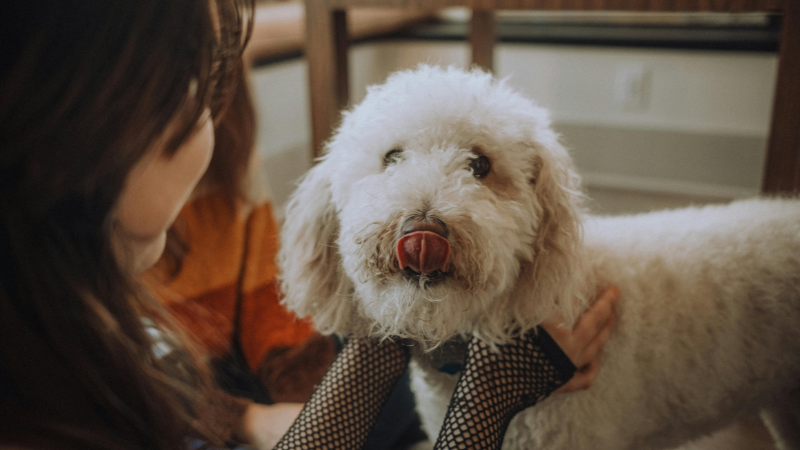
Dogs may not speak our language, but they communicate with us every day. Understanding their body language helps you respond to their needs before they become stressed or uncomfortable.
For example, a relaxed body, soft eyes, and a gently wagging tail usually indicate that your dog feels calm and happy. On the other hand, tucked tails, flattened ears, excessive lip licking, or avoiding eye contact can signal fear or anxiety. Pay attention to your dog’s daily behavior. The more you observe them, the easier it becomes to recognize changes in their mood.
Common signs your dog is feeling happy include:
- A relaxed posture
- Loose tail wagging
- Bright, alert eyes
- Interest in play
- Healthy appetite
Meanwhile, signs of stress may include:
- Excessive panting
- Hiding
- Trembling
- Whining
- Yawning when not tired
By learning these signals, you can provide reassurance before your dog becomes overwhelmed. As a result, your relationship becomes stronger and more trusting.
7. Create a Comfortable Resting Space
Just like people, dogs need quality sleep to stay healthy and happy. Rest allows their body to recover, supports brain function, and helps regulate their mood. Every dog should have a dedicated place where they feel safe and comfortable. This space should be quiet, clean, and away from constant foot traffic or loud noises.
A comfortable resting area may include:
- A supportive dog bed
- Soft blankets
- A favorite toy
- Access to fresh water nearby
- A comfortable room temperature
It’s also important to respect your dog’s resting time. Avoid waking them unnecessarily, especially after exercise or during deep sleep. If you have children, teach them not to disturb your dog while they’re resting. Giving your dog a peaceful space helps them feel secure and reduces stress.
8. Stay on Top of Preventive Healthcare
One of the best ways to keep your dog happy is to prevent health problems before they start. Routine veterinary care helps your dog live a longer, healthier life. Even if your dog seems perfectly healthy, regular checkups allow your veterinarian to detect potential issues early.
Preventive care should include:
- Routine wellness exams
- Vaccinations
- Flea and tick prevention
- Deworming
- Dental checkups
- Weight monitoring
In addition, keep an eye on changes in your dog’s eating habits, energy levels, or bathroom routine. Small changes can sometimes be the first sign of an underlying health problem. Never ignore symptoms like vomiting, persistent diarrhea, sudden limping, or unusual behavior. Contact your veterinarian if something doesn’t seem right.
9. Don’t Leave Your Dog Alone for Too Long
Dogs are naturally social animals. They enjoy being around people and often feel happiest when they can spend time with their family. While most adult dogs can stay home alone for several hours, spending too much time alone every day can affect their emotional well-being. A lonely dog may become bored, anxious, or frustrated. Over time, these feelings can lead to unwanted behaviors such as excessive barking, chewing furniture, digging, or pacing around the house. If your schedule keeps you away for long periods, look for ways to break up your dog’s day. Even a short visit or walk can make a big difference.
Here are a few ideas:
- Ask a family member or friend to stop by.
- Hire a trusted pet sitter or dog walker.
- Leave interactive puzzle toys to keep your dog busy.
- Play calming music while you’re away.
- Create a safe space where your dog feels relaxed.
Most importantly, avoid making a big fuss when leaving or returning home. Staying calm helps your dog understand that your absence is a normal part of the day.
10. Spend Quality Time Together
If there’s one habit that can make the biggest difference, it’s simply spending time with your dog.
Dogs don’t care about expensive gifts or fancy accessories. What they value most is your attention. Whether you’re playing, walking, training, or simply sitting together, those shared moments build trust and strengthen your relationship. Quality time doesn’t always have to be active. Some dogs are perfectly happy lying beside you while you read a book or watch television. Others may enjoy gentle petting, belly rubs, or relaxing in the backyard together.
The important thing is to be present. Put your phone away for a few minutes and focus entirely on your dog. They’ll notice the difference. Remember, your dog won’t remember every toy you bought. However, they will remember how safe, loved, and cared for they felt every day.