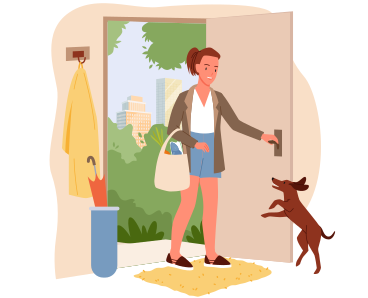

Live-in pet sitting, often referred to as overnight pet sitting or house sitting, is a premium service where a professional or trusted individual stays in your home for 24-hour periods to care for your pets and maintain your household while you are away.
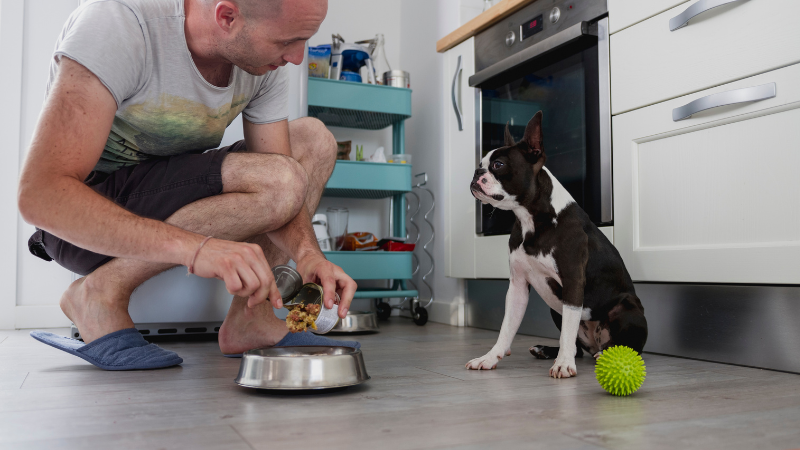
Unlike traditional “drop-in” visits, which typically last 30 to 60 minutes, a live-in arrangement ensures continuous companionship, mirroring your pet’s normal routine as closely as possible.
Core Responsibilities of a Live-In Sitter
The role of a live-in sitter is multifaceted, combining dedicated animal care with light property management:
- Animal Care & Companionship: Beyond feeding and walking, sitters provide emotional support and “leader of the pack” engagement through playtime and cognitive enrichment. They adhere strictly to established routines, including precise medication schedules critical for senior or diabetic pets requiring insulin.
- Property Security: A primary benefit of a live-in sitter is that the house remains occupied. Sitters deter potential burglars by keeping lights on, moving vehicles, and managing mail or package deliveries.
- Household Maintenance: Standard duties often include watering indoor and outdoor plants, managing trash and recycling collection days, and monitoring critical home systems like HVAC or security alarms.
- Communication: Reliable sitters provide regular updates, including photos and videos, to offer pet parents peace of mind.
Why Live-In Sitting is Preferred Over Boarding
While boarding facilities (kennels or pet hotels) offer structured social environments, live-in sitting is often the superior choice for specific needs:
- Reduced Stress and Anxiety: Pets remain in their “comfort zone,” avoiding the psychological distress of unfamiliar environments and the sensory overload of other barking animals. Research shows that human interaction significantly reduces cortisol (stress) levels in animals.
- Health and Safety: At home, pets face zero exposure to contagious illnesses like kennel cough or parasites often found in communal boarding settings. This is particularly vital for young puppies with incomplete vaccinations or immunocompromised seniors.
- Consistency of Routine: Professional sitters maintain your pet’s exact habits from their favorite napping spot by the window to their specific 8:00 AM “sniff-fest” walk.
- Special Needs Support: Senior pets with mobility issues or those needing gentle handling benefit from one-on-one attention that staff at high-volume boarding facilities may not be able to provide.
Live-In vs. Drop-In vs. Boarding
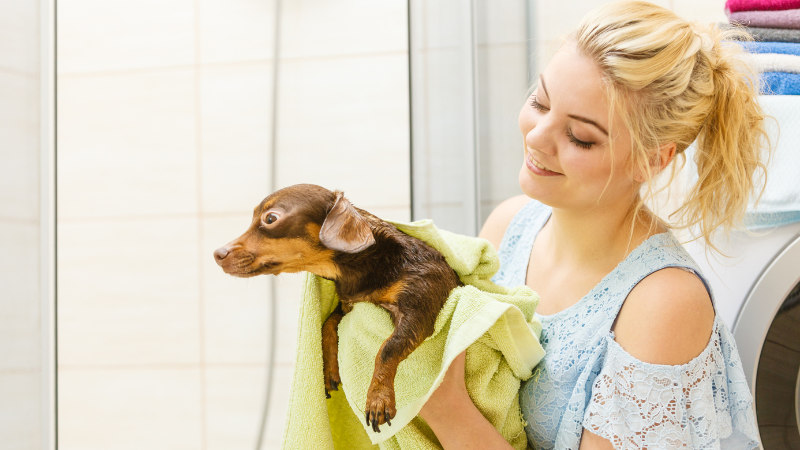
Live-In Pet Sitting (Overnight Care)
The sitter stays at your house. This is the best service designed for pets that cannot be left alone or need strict medical management.
- Pros: Minimal stress for the pet, home stays secure and looks lived-in, and personalized one-on-one attention.
- Cons: Most expensive option requires high trust as a stranger lives in your home.
Use this if you have a senior dog, a pet with separation anxiety, or multiple pets (often cheaper than boarding three dogs separately).
Drop-In Visits (Check-ins)
A sitter comes to your home 1- 4 times a day for feeding, walks, and potty breaks.
- Pros: Most affordable home-based option, least disruptive for independent pets like cats, includes basic house tasks (mail, plants).
- Cons: Pets spend many hours alone, which can lead to boredom or destructive behavior.
Ideal for cats, small caged animals, or very independent adult dogs who are comfortable being alone for 6–8 hours at a time.
Legal and Insurance Considerations
Because a live-in arrangement involves an individual staying in your private residence, certain precautions are essential:
- Homeowners Insurance: You should notify your insurance provider about the arrangement to ensure the policy covers accidental damage or liability while a sitter is present.
- Public Liability: Professional sitters should carry their own insurance, which typically includes “Care, Custody & Control” and public liability coverage (up to $20M in some professional policies) to protect against accidental injuries or property damage.
- Verification: Reputable platforms provide ID verification and background checks, hiring a sitter without these is considered a major “red flag”.
Preparing Your Home: A Checklist for Owners
Category | Essential Items to Include |
Pet Manual | Detailed feeding portions, walk routes, behavioral quirks (e.g., “stares at the wall for no reason”), and favorite toys. |
Emergency | Vet contact info, nearest 24/7 animal hospital, and a local “alternate” contact who can make decisions if you are unreachable. |
Home Access | Wi-Fi passwords, alarm system codes, and instructions for tricky locks or appliances. |
Supplies | A “stockpile” of food, treats, and medication to last 20% longer than your trip duration to account for travel delays. |
Sitter Comfort | Clean linens, dedicated storage space in closets/pantry, and perhaps a small “welcome basket” of snacks. |