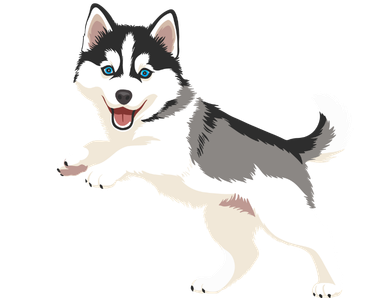


Bringing a Siberian Husky puppy home is exciting, but it also comes with plenty of questions. What should you feed your puppy? How often should you brush its coat? How much exercise does it need? And how can you keep your Husky comfortable in the UAE’s hot climate?
Siberian Huskies are energetic, curious dogs with thick double coats and a strong need for companionship. Raising one requires more than food and walks. You also need to establish a consistent routine, provide mental stimulation and understand the health and safety needs of a growing puppy.
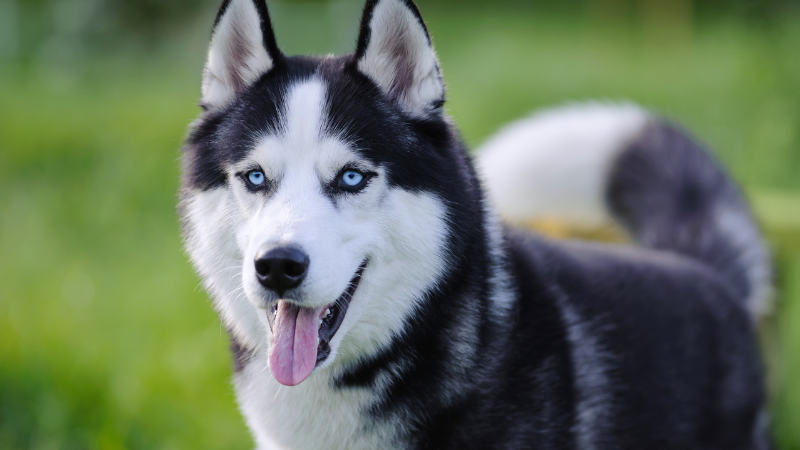
Whether you have just welcomed a Husky into your home or are looking after one for the first time, these practical care tips will help you understand what your puppy needs each day.
1. Understand Your Husky Puppy’s Daily Needs
Siberian Huskies were originally bred as working sled dogs. Their history helps explain their stamina, thick coats, curiosity and independent personalities.
Your puppy needs a balance of nutrition, activity, rest and companionship.
Balanced nutrition: Choose puppy food that supports healthy growth.
Regular exercise: Provide gentle, age-appropriate movement rather than strenuous workouts.
Coat care: Brush regularly to remove loose hair and monitor skin health.
Mental stimulation: Offer safe toys, sniffing activities and opportunities to explore.
Companionship: Spend time with your puppy and gradually teach it to feel comfortable alone.
Preventive healthcare: Keep up with veterinary visits, vaccinations and parasite prevention.
Adequate sleep: Allow plenty of uninterrupted rest between meals and activities.
Huskies can be very active, but young puppies still need frequent breaks. Avoid assuming that every burst of energy means your puppy needs more exercise.
2. Feed Your Husky Puppy the Right Way
A growing Husky needs a complete and balanced puppy diet appropriate for its age and expected adult size. Choose a reputable food formulated for growth, and ask your veterinarian for advice if you are unsure which option is suitable.
How often should you feed a Husky puppy?
Young puppies generally need more frequent meals than older dogs. Depending on age and individual needs, this may mean three or four meals daily, with a gradual transition to fewer meals as they mature.
Follow the food packaging’s feeding guidance as a starting point. Your puppy’s ideal portion depends on its weight, growth, activity and the calorie content of its food.
Practical feeding tips
Measure food rather than estimating portions.
Feed at consistent times each day.
Keep fresh drinking water available.
Introduce new food gradually.
Monitor weight, appetite and stool consistency.
Limit treats so they do not replace balanced meals.
Avoid adding vitamins, calcium or other supplements unless your veterinarian recommends them. Excessive supplementation can interfere with healthy development.
Never give your puppy chocolate, grapes, raisins, onions, garlic, alcohol or foods containing xylitol. If your puppy eats something potentially toxic, contact a veterinarian immediately.
3. Groom Your Husky Puppy’s Double Coat
Siberian Huskies have a double coat consisting of a soft undercoat and protective outer hairs. Regular grooming helps remove loose fur, keeps the coat manageable and allows you to check for skin problems.
Brush regularly
Start with short, gentle brushing sessions so your puppy becomes comfortable with being handled. Brushing several times a week is a useful starting point, with more frequent grooming when shedding increases.
Use an appropriate dog brush and avoid pulling at tangles or scraping the skin.
Bathe only when needed
Huskies generally do not require frequent baths unless they become dirty or a veterinarian recommends one. Use dog-specific shampoo and rinse thoroughly.
Do not shave a healthy Husky’s double coat simply to keep it cool. The coat provides insulation and protection, and shaving can interfere with its normal function.
Check nails, ears and teeth
Check ears for redness, unusual odour or discharge.
Trim nails when needed.
Brush teeth with dog-safe toothpaste.
Look for persistent itching, skin irritation or unusual hair loss.
If you notice ongoing skin or ear problems, arrange a veterinary examination.
4. Give Your Husky Puppy Safe Exercise
Huskies are energetic dogs, but puppies should not be exercised like fully grown adults. Their activity should suit their age, health and stage of development.
Good options include short walks, gentle play, supervised exploration, sniffing activities and food puzzles. Avoid forced long-distance running, repetitive high jumps and strenuous exercise while your puppy is growing.
Make walking part of a healthy routine
Regular walks give your puppy opportunities to explore its surroundings and experience new sights and smells. However, vaccination status, weather and your puppy’s physical development all matter.
If your schedule makes it difficult to provide regular walks, Pawland’s dog-walking services may help you manage your dog’s routine.
Before arranging a walk for a Husky puppy, explain its age, vaccination status, behaviour and exercise limits. In the UAE, outdoor activity should take place only when temperatures and pavement conditions are safe.
Never force a puppy to continue walking when it appears exhausted, and do not rely on off-leash recall in unsecured areas. Huskies can have a strong instinct to chase and run.
5. Keep Your Husky Puppy Safe in the UAE Heat
Hot weather deserves special attention when caring for a Siberian Husky. A thick coat does not make the breed immune to heat, and high humidity can increase the risk of overheating.
Keep your puppy cool indoors
Maintain a comfortably cool, well-ventilated environment and provide fresh water throughout the day. Make sure your puppy has a shaded resting place away from direct sunlight.
Choose safe outdoor times
Take your puppy outside during cooler periods and check the pavement before walking. On particularly hot or humid days, replace outdoor exercise with suitable indoor play and enrichment.
Recognise the signs of heatstroke
Watch for heavy or persistent panting, excessive drooling, weakness, vomiting, confusion or collapse.
Suspected heatstroke is a veterinary emergency. Move your puppy to a cooler area, begin gentle cooling with cool water and seek emergency veterinary care immediately. Do not delay treatment.
If you arrange dog sitting or walking during warm weather, make sure the caregiver understands your puppy’s heat precautions, access to water and limits on outdoor activity.
6. Maintain Your Puppy’s Health
Regular veterinary care helps you monitor growth, prevent disease and identify health concerns early.
Keep vaccinations and parasite prevention up to date
Ask your veterinarian to create a schedule based on your puppy’s age, previous medical records and local health risks. This may include vaccinations, deworming and appropriate flea and tick prevention.
Keep copies of your puppy’s vaccination and medical records, particularly if another person will care for your dog.
Know what to watch for
Siberian Huskies can be predisposed to certain eye conditions. Joint problems and skin disorders can also occur, although not every Husky will develop them.
Contact your veterinarian if you notice:
Persistent eye redness or unusual changes in vision.
Limping or difficulty moving.
Ongoing itching, bald patches or skin sores.
Repeated vomiting or diarrhoea.
Unusual tiredness or loss of appetite.
Significant changes in drinking or urination.
Seek urgent veterinary attention for breathing difficulty, collapse, suspected poisoning or other severe symptoms. Never give human medication unless your veterinarian specifically directs you to do so.
7. Prepare Your Home for a Curious Husky
Husky puppies like to explore, chew and investigate unfamiliar objects. Puppy-proofing your home helps prevent accidents and protects your belongings.
Before your puppy arrives, or as soon as possible afterward:
Store medicines, cleaning products and chemicals securely.
Keep electrical cables and small objects out of reach.
Secure rubbish bins and food storage.
Provide appropriate chew toys and a comfortable sleeping area.
Block access to unsafe balconies and stairways.
Check doors, gates and fences to prevent escapes.
Huskies can be determined escape artists, so never assume that an unsecured garden is safe for unsupervised activity.
Give your puppy a quiet place to sleep and allow plenty of rest between meals, play and walks.
8. Help Your Husky Puppy Adjust to Being Alone
Huskies are often social dogs, and some struggle when left alone for long periods without preparation. Puppies also need frequent toilet breaks, meals, supervision and rest.
Start by leaving your puppy alone for short periods while it is relaxed. Gradually increase the time and provide a safe resting area with suitable enrichment.
Watch for persistent howling, frantic escape attempts, destructive behaviour or repeated signs of distress. If these continue, consult your veterinarian or a qualified behaviour professional.
Arrange suitable care when your schedule is busy
If work or other commitments mean you cannot be with your puppy, plan care around its age and needs rather than leaving it alone for an extended period.
Depending on your arrangement, Pawland’s dog-sitting services include drop-in visits and live-in dog sitting. These options may help maintain your puppy’s routine, provide companionship and support care in its familiar home environment.
Share clear instructions about meals, toilet breaks, rest, exercise and veterinary needs. Confirm that the chosen arrangement provides the level of supervision your puppy requires.
9. Establish a Simple Daily Care Routine
A predictable routine helps your puppy settle in and makes it easier to monitor appetite, behaviour and energy levels. Adjust the schedule to suit your puppy’s age and veterinary advice.
Morning
Take your puppy out for a toilet break.
Serve breakfast.
Provide gentle play or a short walk if conditions are safe.
Allow time for rest.
Afternoon
Offer meals according to the feeding schedule.
Provide fresh water and regular toilet breaks.
Use safe indoor activities or food puzzles.
Allow plenty of sleep and quiet time.
Evening
Serve dinner at the planned time.
Arrange gentle activity during cooler weather.
Check paws and coat after outdoor time.
Spend calm time together.
Before bed
Offer a final toilet break.
Prepare a comfortable sleeping area.
Follow an overnight toilet routine if your puppy is still very young.
The routine does not need to be complicated. Consistency and attention to your puppy’s changing needs matter most.