


Many dog owners face behavioral challenges that can feel incredibly overwhelming. Whether a dog is pulling uncontrollably on the leash or showing signs of distress when left alone, finding a lasting solution requires looking beyond the surface.

Instead of treating these issues as deliberate disobedience, owners and trainers must look at the root causes. By utilizing the Dog Needs Model, we can accurately decode why dogs behave the way they do and address the core issues effectively.
Decoding the “Needs Model” with Common Behaviors
Every behavioral issue originates from a deficiency in one of four core areas: Physiological, Security, Belonging, or Confidence. Let’s look at how this applies to two of the most common behavioral challenges:
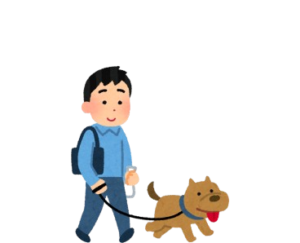
Case A: Pulling or Freezing on the Leash
It is a common misconception that a dog pulls purely due to “excitement.” In reality, over-excitement is often a symptom of a lack of confidence or clear direction. The actual root causes generally fall under:
- Physiological Needs: The dog needs to be eliminated, is hungry, exhausted, or is actively trying to avoid uncomfortable weather conditions.
- Security Needs: The dog feels frightened or unsafe in the current environment, leading to a flight response (pulling ahead) or freezing in fear.
- Belonging Confusion: A structural confusion where the dog believes they are responsible for making decisions for the handler. Consequently, they attempt to dictate the route and speed of the walk.
- Confidence/Esteem Deficit: The dog lacks confidence in what they are supposed to be doing and simply needs to be taught the correct, structured response.
Case B: Separation Anxiety
Separation anxiety is rarely a purely physical or behavioral quirk, it is a direct response to an emotional or structural gap:
- Safety: The dog feels highly vulnerable and unsafe when the owner leaves, unsure if security will return.
- Belonging Confusion: When a dog feels responsible for the owner’s safety, they experience panic and distress the moment the owner leaves their sight.
- Confidence Deficit: The dog lacks the baseline confidence to remain calm and secure in their environment during periods of isolation.
Treating the Disease vs. Treating the Symptoms

A frequent piece of advice in the pet industry is to “tire out” a dog to solve behavioral problems. While high-intensity exercise is essential for physical health, using it as a universal fix is a flawed approach.
Exhausting a dog merely manages the symptom of the problem, not the underlying cause. For example, if a dog is pacing due to security anxieties or jumping up due to structural confusion, a long run will make them look calm temporarily due to pure physical exhaustion. However, the internal anxiety remains completely unchanged once they recover.
True behavior modification requires addressing the underlying psychological need, not just draining the dog’s physical energy.
The Leadership & Environment Scorecard
To properly evaluate and address behavioral issues, a dog’s confidence levels can be assessed on a scale from 0 to 10 across two interdependent categories:
- Confidence in the Owner as a Leader (0–10)
- Confidence in the Environment (0–10)
- The Balanced Mindset: If a dog has a 10/10 confidence in their owner’s leadership but only a 5/10 confidence in the environment, behavioral issues remain low. The dog inherently trusts the handler to protect and guide them through unfamiliar or stressful situations.
- The High-Risk Mindset: If a dog scores a 5/10 or lower in both leadership trust and environmental confidence, the overall psychological baseline is too low, leading to reactive behaviors like barking, lunging, or freezing.
If a dog is overwhelmed by a specific environment, the most effective approach is to remove them from that situation immediately. Focus first on building their confidence in a low-stress environment, and then gradually reintroduce them to more challenging surroundings in structured stages.
The Role of Emotional Intelligence in Training
Achieving long-term behavioral success requires a high level of emotional intelligence from the handler, which is divided into two distinct areas:
- Intrapersonal Intelligence: The ability to understand your own strengths, weaknesses, and emotional triggers, ensuring you maintain patience and objectivity during training.
- Interpersonal Intelligence: The capacity to accurately read and understand the dog’s body language, emotional state, and underlying needs.
By shifting the approach from controlling behaviors to fulfilling core psychological and physical needs, owners can establish a balanced, structured, and mutually respectful relationship with their dogs.