



The Weimaraner is a sleek, athletic, medium-to-large sporting dog breed famously nicknamed the “Gray Ghost” due to its distinctive silver-gray coat and stealthy gait. Originally bred for noble hunting parties in 19th-century Germany, they have transitioned into highly loyal, energetic family companions that thrive on human interaction.
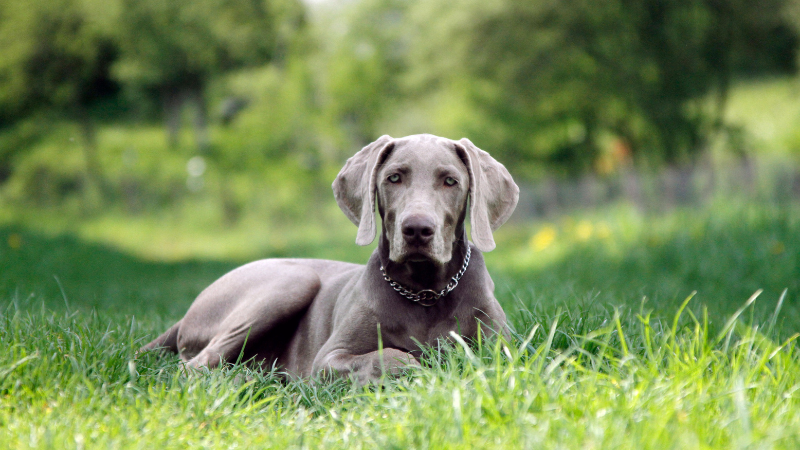
The Weimaraner has become increasingly popular in the UAE because of its elegant appearance, loyal personality, and active lifestyle compatibility. Known for its sleek silver-gray coat and athletic build, the breed attracts dog lovers who prefer large, intelligent, and visually striking dogs. Their unique “Gray Ghost” look also makes them highly recognizable among premium dog breeds.
Weimaraner Dog Breed Characteristics
Weimaraners are high-energy, intelligent, and affectionate “Velcro dogs” known for their silver-gray coats, athletic build, and intense loyalty. Originally bred in Germany for hunting, they require extensive daily exercise (over 1-2 hours) and mental stimulation to prevent destructive behavior. They are excellent family companions but can be stubborn and suffer from separation anxiety.
Physical Characteristics
- Size: Large; males 25–27 inches (70–90 lbs), females 23–25 inches (55–75 lbs).
- Coat: Short, sleek, and smooth, ranging from mouse-gray to silver-gray.
- Eyes: Distinctive light amber, gray, or blue-gray.
- Grooming: Minimal; requires occasional brushing due to the short coat.
- Lifespan: 10 to 13 years.
Weimaraner Temperament and Personality
Weimaraners are highly intelligent, energetic, and affectionate “Velcro dogs” that demand consistent training, extensive daily exercise, and close companionship with their human families. Known for their gray coats and intense hunting drive, they make loyal companions but are prone to separation anxiety, stubbornness, and destructive behaviors if bored.
Key Temperament and Personality Traits
- High Energy & Stamina: They require at least two hours of daily, intense exercise (hiking, running, fetching) and do best with active owners.
- “Velcro” Nature: They thrive on human interaction and prefer to be by their owner’s side, often following them from room to room, which can lead to separation anxiety.
- Intelligent & Wily: Highly smart but often strong-willed, they are capable of learning quickly but may use their wit to open doors, gates, or find ways to get what they want.
- Loyal Watchdogs: While friendly, they are naturally alert and make excellent watchdogs, often barking to warn of strangers.
- Prey Drive: Due to their hunting heritage, they may not be suitable for homes with cats, rodents, or birds.
Behavioral Characteristics
- Destructive Tendencies: Without sufficient mental and physical exercise, they may resort to digging or chewing.
- Stubbornness: They are independent thinkers and require firm, consistent, and patient training.
- Playful & Affectionate: They are generally good with children but can be rambunctious, sometimes knocking over small kids during play.
Training and Care Needs
- Early Socialization: Crucial to prevent excessive caution around strangers and to ensure they get along with other dogs.
- Mental Stimulation: Their high intelligence requires puzzles and obedience training to prevent boredom.
- Secure Environment: A large, securely fenced yard is necessary, as they tend to wander in search of game.
Types of Weimaraner Dogs
1. Short-Haired Weimaraner (Standard Coat)
This is the most common type of Weimaraner. It has a sleek, smooth, and short coat that lies close to the body. This coat type is low-maintenance and highly athletic, making it ideal for active families and working roles.
2. Long-Haired Weimaraner
The long-haired version has a softer, feathered coat on the ears, tail, and legs. It looks more elegant and fluffy compared to the standard type. This variety is less common and requires more grooming to prevent tangles.
3. Blue Weimaraner
The blue Weimaraner is not a separate breed but a color variation. Instead of the classic silver-gray coat, it has a smoky blue-gray shade. While visually striking, this color is sometimes not accepted in certain show standards.
4. Silver-Grey Weimaraner
This is the iconic and most recognized color of the breed. The coat appears shiny silver or mouse-gray, giving the dog its famous “Gray Ghost” nickname due to its stealthy appearance.
5. American vs German Line Weimaraner
There are two main breeding lines:
- American Weimaraner: Leaner build, more suited for companionship and show purposes
- German Weimaraner: Stronger, more muscular, and closer to the original hunting working dog
Each type of Weimaraner shares the same intelligence, energy, and loyalty, but differs slightly in appearance and purpose.
Weimaraner Puppy Guide
A Weimaraner puppy is highly energetic, intelligent, and extremely attached to its owner. These puppies grow quickly and require a lot of mental and physical stimulation from an early age. Expect curiosity, chewing behavior, and a strong need for attention. Without proper engagement, they can become bored and destructive.
Puppy Training Basics
Early training is essential for a Weimaraner puppy. Start with simple commands like sit, stay, and come using positive reinforcement techniques. Consistency is key, as this breed learns fast but can also test boundaries. Short, frequent training sessions work best to hold their attention.
Socialization Tips
Expose your Weimaraner puppy to different people, environments, sounds, and other animals early on. Proper socialization helps prevent anxiety and aggression issues later in life. Puppy classes and controlled playdates are highly recommended.
Feeding and Nutrition for Puppies
A high-quality, protein-rich puppy diet supports their fast growth and energy levels. Feed measured portions several times a day to maintain stable energy. Avoid overfeeding, as Weimaraners can gain weight quickly if not monitored.
Common Puppy Behavior Problems
Common issues include chewing, separation anxiety, jumping on people, and excessive barking. These behaviors are usually due to a lack of stimulation or training. Providing toys, exercise, and structured routines helps reduce most behavioral problems.
Best Weimaraner Dog Sitting Services in the UAE
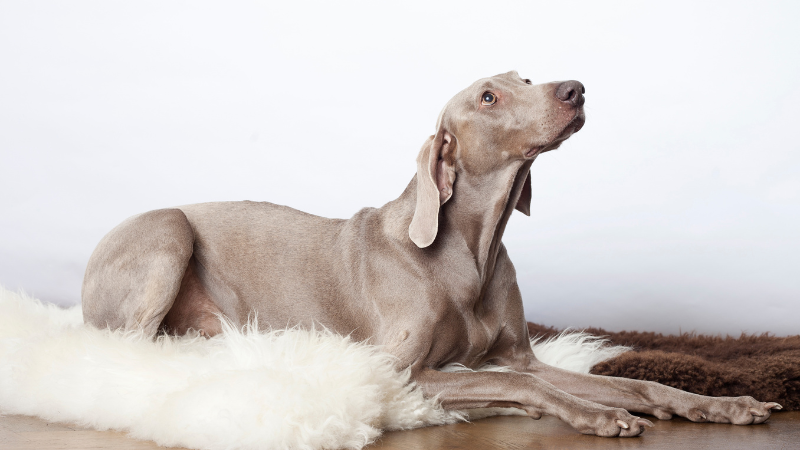
Pawland provides trusted pet care solutions for active breeds like the Weimaraner across the UAE. From professional dog sitting services to safe dog boarding services and daily walking support, their experienced team helps keep dogs comfortable, active, and stress-free while owners are away.
Dog Sitting Services
Pawland offers reliable and professional dog sitting services for Weimaraners and other active breeds across the UAE. Their experienced pet sitters provide feeding, playtime, companionship, and personalized care in a safe environment while owners are away. Ideal for energetic dogs needing attention and comfort.
In-Home Dog Boarding Services
Pawland provides trusted in-home dog boarding services designed for dogs that prefer a calm, family-style environment instead of kennels. Their dog boarding services include supervised stays, daily routines, exercise, and personalized attention to keep Weimaraners comfortable and stress-free during extended stays.
Dog Walking Services
Pawland’s professional dog walking services help active breeds like Weimaraners stay healthy, socialized, and mentally stimulated. Their trained walkers provide safe outdoor exercise, structured walks, and regular activity sessions that support the breed’s high energy levels and overall well-being in the UAE climate.
Best Diet and Nutrition for Weimaraners
The optimal diet for a Weimaraner must feature high-quality, animal-based proteins to maintain their lean muscle mass, combined with joint-protective nutrients and a strict feeding strategy to prevent Gastric Dilatation-Volvulus (GDV/bloat). Because Weimaraners are deep-chested and highly active, how you feed them is just as vital as what you feed them.
Core Nutritional Requirements
- Lean Animal Proteins: Chicken, beef, lamb, and salmon should always be the first ingredient. These provide essential amino acids for stamina.
- Healthy Fats: Omega-3 fatty acids from fish oil or flaxseed sustain endurance and maintain their signature sleek, glossy coat.
- Joint Support: Glucosamine, chondroitin, and green-lipped mussels shield their heavy-working joints from dysplasia and arthritis.
- Low-Allergen Carbs: Sweet potatoes, brown rice, or oats provide clean energy. Avoid heavy wheat or corn to protect sensitive stomachs.
Life-Stage Feeding Guidelines
A Weimaraner’s nutritional balance shifts dramatically as they age:
Life Stage | Formula Type | Frequency | Focus Area |
Puppy (Up to 12–15 mos) | Large-Breed Puppy | 3 to 4 meals daily | Controlled calcium/phosphorus to ensure steady, safe bone growth. |
Adult (15 mos to 7 years) | Large-Breed Adult / Sport | 2 to 3 meals daily | High metabolism fueling and lean muscle maintenance. |
Senior (7+ years) | Senior Large-Breed | 2 meals daily | Lower calories to combat obesity and enhanced joint care. |
Cost of Owning a Weimaraner
Owning a Weimaraner in the UAE comes with a substantial financial commitment due to their large size, intense physical demands, and the hot climate, which requires indoor lifestyle accommodations. You can expect initial upfront costs between AED 5,000 and AED 16,000, followed by recurring annual expenses ranging from AED 8,500 to AED 22,000+.
Upfront and One-Time Initial Costs
- Purchase or Adoption: Buying a purebred Weimaraner puppy from a licensed local breeder or importer ranges from AED 4,000 to AED 10,000+. Adopting from a local rescue group or shelter costs around AED 1,000 to AED 2,200 to cover medical prep fees.
- Essential Supplies: Large-breed crates, orthopedic beds, car harnesses, bowls, and training tools will total AED 1,000 to AED 2,500.
- Medical & Legal Registrations: Mandatory microchipping, Dubai Municipality registration, and initial vaccine setups require AED 800 to AED 1,500. Spaying or neutering costs AED 900 to AED 2,000