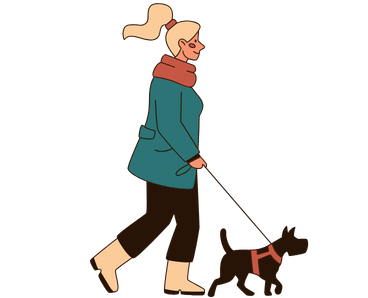


Taking your dog for a walk is about much more than simply giving them a chance to go outside and use the bathroom. Regular walks are an important part of a dog’s physical health, mental stimulation, social development, and overall quality of life.
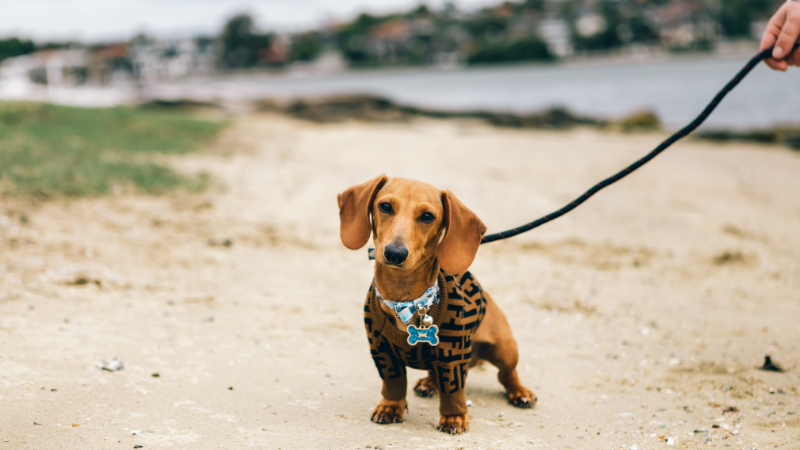
Dogs naturally need opportunities to move, explore, sniff, and experience the world around them. When they spend most of their time indoors without enough exercise or stimulation, problems can gradually appear. Some dogs may become restless or destructive, while others may gain weight, develop anxiety, or become more reactive toward people and other animals.
So, what really happens when you don’t take your dog for walks? Let’s look at the biggest effects it can have on your dog’s health and behavior.
Why Do Dogs Need Regular Walks?
Dogs are naturally active animals. Even dogs that enjoy relaxing at home still need regular physical activity and mental stimulation to stay healthy.
A walk gives your dog an opportunity to move their body, explore different smells, see new surroundings, and experience sounds and sights outside the home. These experiences are especially important because dogs understand much of their environment through their senses.
Walking also gives dogs opportunities to encounter people, other dogs, vehicles, and different environments. When these experiences happen in a safe and controlled way, they can help a dog become more comfortable with the world around them.
Most importantly, walks can strengthen the relationship between you and your dog. Spending time together outside gives you another opportunity to communicate, build trust, and enjoy each other’s company.
What Happens If You Don’t Walk Your Dog?
Skipping a walk once in a while usually isn’t a major problem, especially if your dog gets exercise and enrichment in other ways. The concern begins when a dog regularly doesn’t get enough physical activity or opportunities to explore outside.
A lack of regular activity can affect almost every part of a dog’s life, from their weight and muscles to their mood and behavior.
1. Your Dog May Gain Excess Weight
One of the most obvious consequences of insufficient exercise is weight gain.
Dogs need to burn calories just like people do. If your dog eats a normal amount of food but rarely moves around, they may gradually gain excess weight. Over time, being overweight can put additional pressure on their joints and make movement more difficult.
Long-term weight problems may also increase the risk of conditions such as diabetes and other health complications. Regular walks can help your dog stay active and maintain a healthier body weight. The amount of exercise needed will depend on factors such as age, breed, size, and overall health.
2. Their Muscles and Joints May Become Weaker
Movement helps dogs maintain muscle strength and mobility. When a dog spends most of the day lying down or sitting indoors, they may not get enough activity to keep their body properly conditioned.
Over time, a lack of movement can contribute to muscle weakness and reduced mobility. This can be particularly important for older dogs, who may already be experiencing age-related changes in their joints and muscles.
Of course, dogs with mobility problems or medical conditions may need a different type of exercise. In those situations, it’s best to follow your veterinarian’s recommendations.
3. Your Dog Can Become Bored
Physical exercise is only one part of a walk. Dogs also need mental stimulation. Imagine being inside the same house every day with very little to do. Eventually, you would probably become bored too. Dogs can experience something similar when their environment rarely changes.
A walk gives them new smells, sounds, sights, and surroundings to investigate. Even allowing your dog to stop and sniff during a walk can provide valuable mental stimulation.
Without enough enrichment, some dogs may become restless and look for their own ways to entertain themselves.
4. Excess Energy Can Turn Into Problem Behavior
A dog with too much unused energy may struggle to settle down at home. Some dogs may start running around the house, constantly demanding attention, jumping on people, barking, or becoming unusually restless. Others may develop destructive habits because they have found an outlet for their frustration.
This doesn’t mean every behavior problem is caused by a lack of exercise. Fear, anxiety, genetics, training, environment, and previous experiences can all influence canine behavior. However, insufficient physical and mental activity can certainly make some behavior problems worse. This is why booking regular sessions with dog walking services can help redirect that pent-up energy into a healthy, positive outlet.
5. Destructive Chewing May Increase
Have you ever come home to find that your dog has destroyed a cushion, shoe, piece of furniture, or another household item? Boredom and frustration can sometimes contribute to destructive behavior.
Dogs need appropriate outlets for natural behaviors such as chewing, exploring, sniffing, and playing. If they don’t receive enough stimulation, they may choose whatever is available around the house. Regular walks, combined with appropriate toys and enrichment activities, can give your dog healthier ways to use their energy.
6. Excessive Barking Can Become a Problem
Some dogs become more vocal when they aren’t getting enough exercise or stimulation.
A bored or frustrated dog may bark because they want attention, have excess energy, or react to things happening outside the home. For example, they might bark at people walking past a window, noises outside, or other animals.
However, excessive barking should not automatically be blamed on a lack of walks. Dogs bark for many different reasons, and understanding the cause is important before trying to change the behavior.
7. Your Dog May Become More Reactive
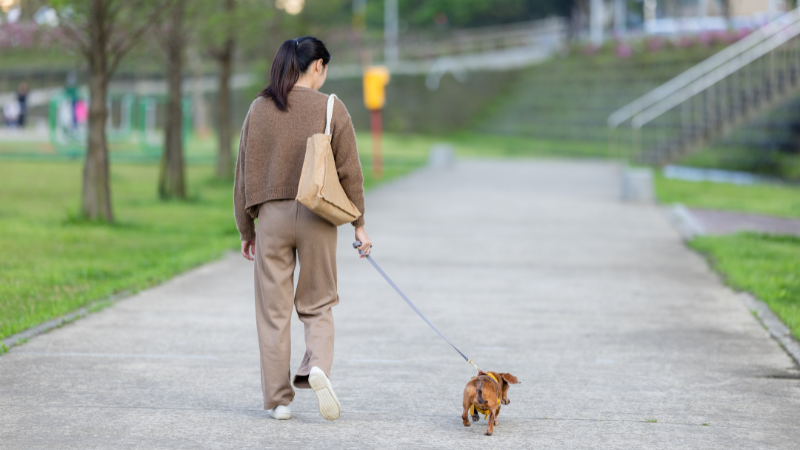
Regular walks expose dogs to different sights, sounds, people, and animals.
When a dog has very limited exposure to the outside world, unfamiliar situations may feel more intense or threatening. In some cases, this can contribute to fear or reactivity.
A dog may bark, pull toward another dog, growl, or become extremely excited when they finally encounter something unfamiliar.
This is one reason controlled and positive exposure to different environments can be valuable, particularly when a dog is young.
8. They May Become More Anxious or Frustrated
Dogs need more than food, water, and a comfortable place to sleep. They also need opportunities to engage with their environment.
When their physical and mental needs aren’t being met, some dogs may become frustrated or anxious. You might notice pacing, restlessness, attention-seeking, excessive barking, or difficulty relaxing.
Not every anxious dog simply needs more exercise, though. If your dog shows persistent signs of anxiety, it’s important to look at the underlying cause and seek professional help when necessary.
9. Bathroom Problems Can Develop
Walks are also an important opportunity for dogs to relieve themselves.
If a dog isn’t given enough opportunities to go outside, accidents inside the home can become more likely. This can be especially challenging for puppies that are still learning where they should go to the bathroom.
If a previously house-trained dog suddenly begins urinating or defecating indoors, don’t assume they are simply being stubborn. Sudden changes can sometimes be related to medical or behavioral problems and may require veterinary attention.
10. Your Dog May Become Less Socially Comfortable
A walk isn’t necessarily about making your dog interact with every person or dog they see. Instead, it gives them the opportunity to experience different environments in a controlled way.
Dogs that regularly encounter normal outdoor experiences can gradually learn that different people, sounds, surfaces, and surroundings are not necessarily something to fear. On the other hand, a dog that rarely leaves the house may have fewer opportunities to develop confidence around unfamiliar situations.
That’s why socialization should focus on positive, controlled experiences, rather than forcing a dog to interact with everything they encounter.
Can a Lack of Walks Affect Your Family Life?
Yes, it can. When a dog’s physical and mental needs aren’t being met, the effects may eventually become noticeable throughout the household. A restless dog that constantly barks, destroys things, jumps on family members, or demands attention can create stress for everyone.
This doesn’t mean your dog is intentionally trying to cause problems. In many cases, unwanted behavior is simply a sign that something in their daily routine needs attention.
Providing appropriate exercise, enrichment, training, rest, and mental stimulation can make life more comfortable for both dogs and their families.
What If Your Dog Doesn’t Like Walking?
Not every dog immediately enjoys going for walks. Some dogs may be nervous about traffic, unfamiliar people, other animals, loud noises, or new environments. Forcing them to continue when they’re frightened can make the experience worse.
Instead, start slowly. Choose a quiet area, keep the first outings short, and allow your dog time to observe and sniff. Reward calm behavior and gradually increase the duration as your dog becomes more comfortable.
If your dog suddenly refuses to walk or appears to be in pain, speak with your veterinarian. Physical discomfort can sometimes make a dog reluctant to move.
How Much Walking Does a Dog Need?
There isn’t one perfect walking schedule for every dog. A young, energetic dog may need significantly more activity than a senior dog. Breed, age, health, body condition, personality, and lifestyle all influence how much exercise a dog needs.
Some dogs may do well with several shorter walks throughout the day, while others may benefit from longer outings combined with play and enrichment at home. The goal isn’t simply to walk your dog for a specific number of minutes. It’s to provide an appropriate level of physical activity and mental stimulation for that individual dog.
What If You Can’t Walk Your Dog Every Day?
Life gets busy, and missing an occasional walk doesn’t make you a bad dog owner. If you can’t provide a normal walk one day, you can still give your dog other forms of enrichment. Indoor games, scent-based activities, food puzzles, basic training exercises, and interactive play can all help keep their mind engaged.
However, these activities shouldn’t always replace outdoor exercise. Dogs still benefit from experiencing different environments and getting regular opportunities to move and explore.
If your schedule consistently makes it difficult to meet your dog’s exercise needs, consider asking a trusted dog walker or pet care professional for help.