

Pet sitting is the personalized, temporary care of pets, typically in the owner’s home while they are away, ensuring the animal maintains its regular routine, diet, and environment. It serves as a stress-free, 1:1 alternative to boarding, covering tasks like feeding, walking, playtime, and medication.

How Does Pet Sitting Work?
Pet sitting involves a hired professional or volunteer caring for animals in the owner’s home or the sitter’s home, keeping pets safe, fed, and on their normal routine while owners are away. It commonly includes daily visits, walks, feeding, and companionship, with options for overnight stays or specialized care for varied animals.
How the Process Works:
- Booking: Owners find sitters via apps or websites, often starting with a “Meet & Greet” to ensure a good fit.
- Service Types: Options include In-home pet sitting, live-in pet sitter, drop-in visits, dog walking, or overnight stays.
- Responsibilities: Sitters provide food/water, exercise, litter box cleaning, and, if agreed, medication administration, mail collection, and plant watering.
- Communication: Professional sitters provide updates, photos, or GPS-tracked, 5-star service reports.
- Payment: Fees are usually paid per visit, per day, or via platform, often covering travel and additional pets.
Why People Use Pet Sitting Services

People use pet sitting services for a variety of reasons, primarily to ensure their pets receive personalized care in a familiar, low-stress environment when the owner is unable to be present.
Primary Reasons for Use
- Owner Travel
- Long Work Hours
- Special Events
- Health and Emergencies.
- Special-Needs Pets
- Convenience
Pets That Can Receive Pet Sitting Services
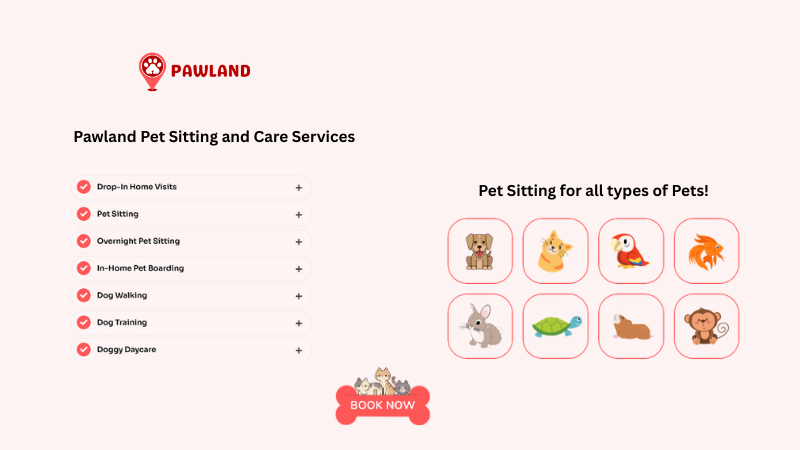
Pet sitting services are available for a wide range of animals, extending far beyond dogs and cats to include bird sitting, rabbit sitting, and more animals. Professional sitters provide in-home care such as feeding, walking, and medication administration for pets like guinea pigs, rabbits, monkeys, snakes, horses, alpacas, chickens, and fish.
Who Provides Pet Sitting Services?
Pet sitting services are provided by professional, insured pet sitters, specialized apps, and local, trusted individuals. Major platforms to find verified sitters include Pawland, PetBacker, and TrustedHousesitters, while professional associations like Pet Sitters International and the National Association of Professional Pet Sitters provide directories of certified caregivers.
Who is a Pet sitter?
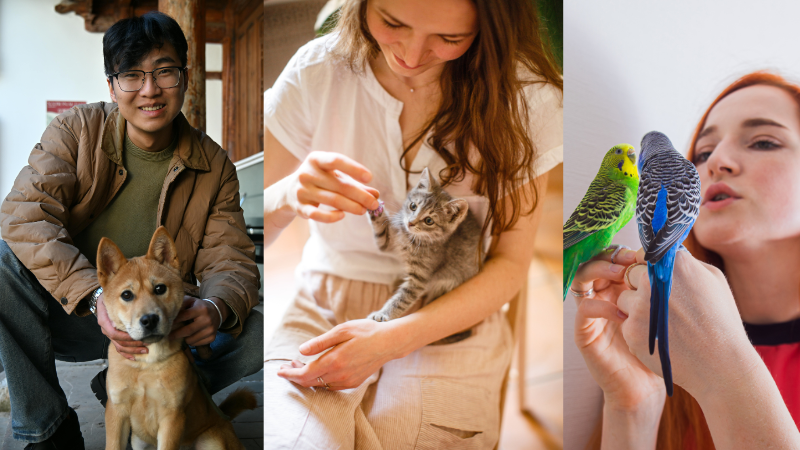
A pet sitter is an individual who cares for someone else’s pets, typically in the pet’s own home or sometimes the sitter’s home, while the owner is away. They are responsible for the overall well-being of animals, including dogs, cats, and others, by providing feeding, walking, playtime, medication, and, in some cases, overnight care.
What does a Pet sitter do?
A pet sitter provides personalized, in-home care for pets while owners are away, covering essential needs like feeding, watering, exercise, and companionship. They maintain the animal’s routine, administer medication, clean litter boxes/cages, and often provide home security services like collecting mail and turning on lights.
Core Responsibilities of a Pet Sitter:
- Pet Care: Feeding, providing fresh water, administering medication, and grooming.
- Exercise & Play: Walking dogs and playing with pets to ensure they are entertained and active.
- Hygiene & Safety: Cleaning litter boxes, cleaning up waste, and ensuring the pet’s environment is secure.
- House Sitting Tasks: Bringing in mail/newspapers, watering plants, and turning lights on/off to make the home look occupied.
- Communication: Sending updates, photos, or videos to owners regarding their pet’s well-being.
- Emergency Care: Monitoring for health changes and transporting pets to a veterinarian if necessary.
Why Pet Sitting Makes Everyone Happy in the UAE
Pet sitting in the UAE brings joy by providing stress-free, personalized, in-home care that keeps pets in comfortable, familiar environments, avoiding the trauma of kennels. It offers pet owners peace of mind, routine maintenance, and specialized care during hot or busy travel periods, while providing flexible, rewarding work for pet lovers.
Why pets love Pet Sitting Services
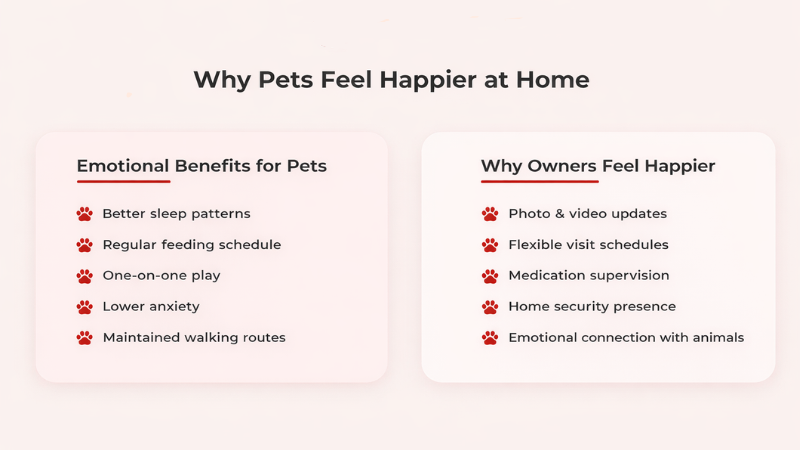
Pets love pet sitting services because they provide a stress-free experience, allowing animals to stay in their familiar home environment rather than a kennel. By maintaining consistent routines (feeding, walks, play), pets feel secure and safe. Additionally, they receive personalized, one-on-one attention and companionship, reducing separation anxiety while their owners are away.
What Does Pet Sitting Include?
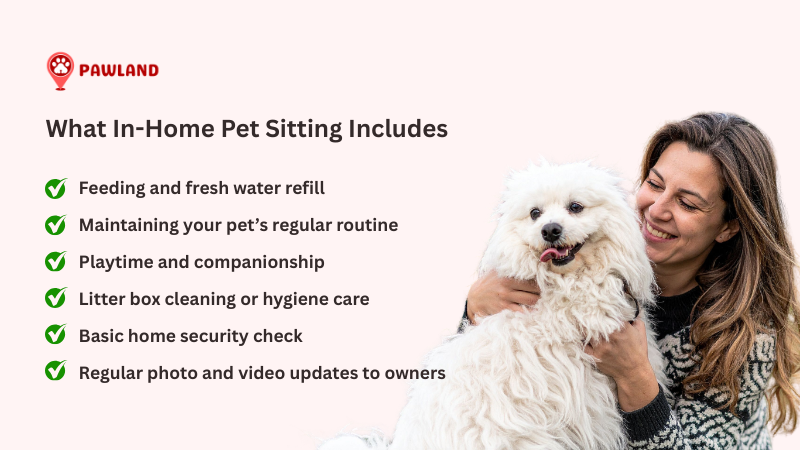
Pet sitting provides comprehensive, in-home care for pets while owners are away, maintaining their daily routines to reduce stress. Core services include feeding, refreshing water, walking dogs, playing, cleaning litter boxes/cages, and administering medication. It often includes household tasks like bringing in mail, watering plants, and security checks.
Core Pet Sitting Services
- Daily Feeding & Hydration: Providing meals and fresh water according to the pet’s routine.
- Exercise & Playtime: Dog walks, games of fetch, and playtime to keep pets active and stimulated.
- Hygiene & Cleaning: Cleaning litter boxes, picking up waste, and basic grooming.
- Medication Administration: Experienced in giving oral or topical medications.
- Companionship: Offering love and attention to prevent loneliness, often in the pet’s own home.
Additional/Optional Services
- Home Care: Bringing in mail/newspapers, watering plants, and alternating lights/blinds.
- Overnight/Live-in Care: The sitter stays at the home for 24/7 care, security, and companionship.
- Pet Taxi: Transporting pets to vet or grooming appointments.
- Emergency Care: Monitoring health and taking pets to the vet if necessary.
Pet sitting ensures pets remain comfortable in their familiar environment, often serving as an alternative to boarding kennels.
Benefits of Pet Sitting
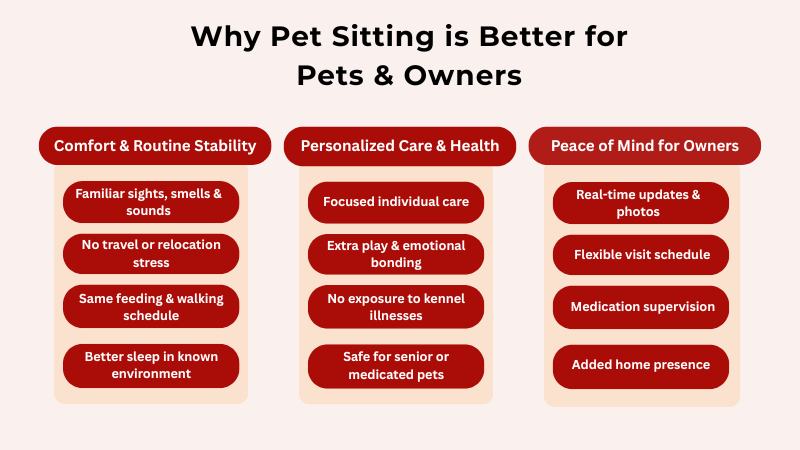
Pet sitting provides significant benefits by allowing pets to remain in their familiar home environment, reducing stress and maintaining their routine, while offering owners peace of mind, personalized care, and home security. It eliminates travel trauma for pets and exposure to kennel-related illnesses.
Benefits for Your Pet
- Reduced Stress & Anxiety: Pets stay in a comfortable, familiar environment with familiar sights, sounds, and smells, reducing anxiety.
- Maintained Routine: Consistent feeding, walks, and potty breaks are maintained, which is crucial for pet health and stability.
- Personalized Attention: One-on-one care and affection, often with extra playtime, which keeps them mentally stimulated and happy.
- Better Health/Safety: Avoids exposure to illnesses or parasites often found in boarding kennels.
- Special Needs Care: Ideal for senior pets or those needing specific medications, as sitters can provide customized care.
Benefits for You (Owner)
- Peace of Mind: Knowing your pet is safe, secure, and loved in their own home.
- Convenience & Safety: No need to transport pets to a kennel, sitters often provide home security, such as bringing in mail or turning on lights.
- Personalized Updates: Many sitters provide photos and updates, allowing you to stay connected.
- Customized Care: Flexible services tailored to your specific pet’s needs.
- Cost-Effective: Often more economical than kennel boarding, especially for multiple pets.
Is Pet sitting safe in the UAE?
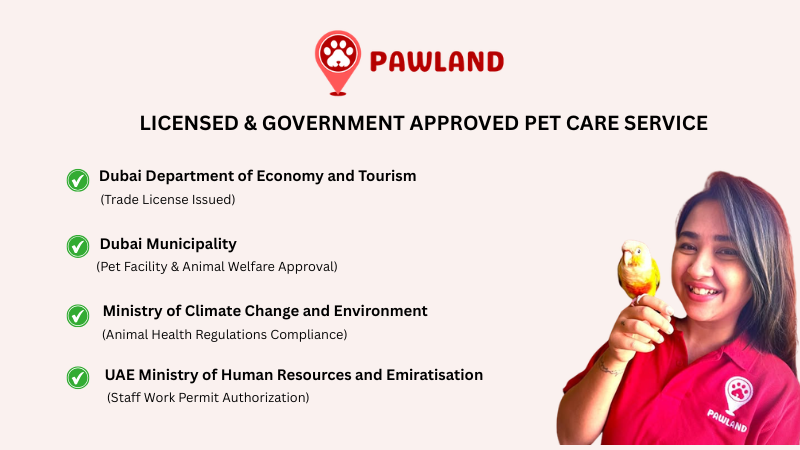
Pet sitting is generally safe and widely available in the UAE, provided you hire licensed, professional, verified, and insured services to ensure proper care, particularly for managing heat and emergencies. While many, like Pawland, offer safe, background-checked options, it is important to avoid unlicensed freelancers.
Key safety factors to consider:
- Licensed Professionals: Use reputable companies or platforms like Pawland, which offer insurance and verified sitters, ensuring your pet is in trusted hands.
- Climate & Safety: Due to extreme heat, ensure sitters are trained to walk dogs during cooler hours and are aware of safety, such as avoiding toxic plants.
- Emergency Care: Choose sitters trained in pet first aid who can recognize signs of illness.
- Documentation & Licensing: Ensure your pet is microchipped, vaccinated, and registered with the municipality, as this is required for all pet services in the UAE.
Pet Ownership Laws and Regulations in the UAE
Keeping pets in the UAE requires mandatory microchipping, up-to-date vaccinations (especially rabies), and registration with local municipalities, such as Dubai Municipality. Dogs must be on a leash in public, and certain breeds require muzzles. Strict laws prohibit owning dangerous or exotic animals, and pets are generally not allowed in public parks or on public transportation.
Key Rules and Requirements:
- Registration and Identification: All pets must be microchipped (ISO standard) and registered with the municipality. A vaccination card is required.
- Vaccinations: Annual vaccinations for rabies and other diseases (Distemper, Hepatitis, Parvovirus) are mandatory.
- Public Behavior: Dogs must be kept on a leash at all times in public.
- Banned Breeds/Animals: Owning dangerous, wild, or exotic animals is strictly prohibited under Federal Law No. 22 of 2016. Restricted dog breeds (e.g., Pit Bulls, Mastiffs) must wear muzzles in public.
- Pet-Friendly Areas: Dogs are not allowed in public parks or on public transportation. Only specific locations like the Golden Mile Galleria on Palm Jumeirah allow pets indoors. Explore dog-friendly areas in the UAE for the best pet-friendly spots.
- Importing Pets: Pets need a microchip, valid vaccinations, and potentially a rabies titer test.
- Stray Animals: Feeding stray animals is illegal and can result in a fine of AED 500.
- Housing: It is important to obtain permission from landlords to keep pets in rental properties.
- Weather Precautions: Owners must ensure pets have adequate shade and water, especially during hot summer months.
Pet Sitting Agreements and Policies in the UAE
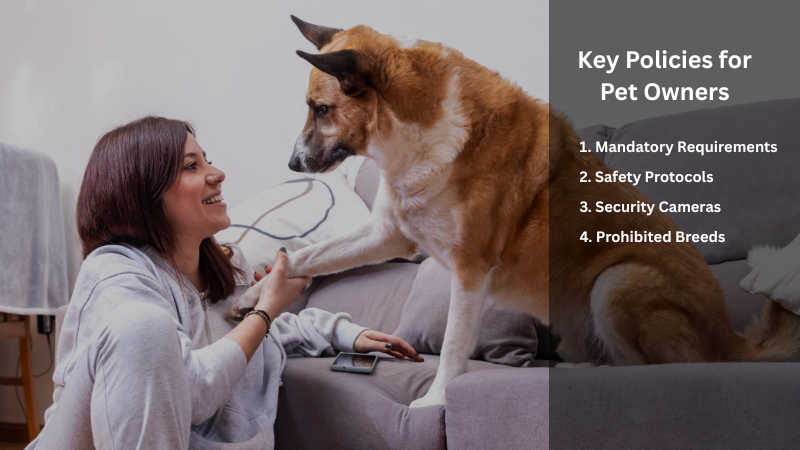
A comprehensive pet sitting agreement is a legally binding contract that outlines responsibilities, payment terms, and liability, essential for protecting both the pet sitter and the client. It should include pet details, emergency contacts, service scope, cancellation policies, and vaccination requirements. Key policies include handling aggressive pets, emergency veterinary care, property access, and key security.
Essential Components of a Pet Sitting Agreement
- Parties & Services: Names, addresses, contact information, and specific services provided (e.g., feeding, walking, playtime, medication administration).
- Pet Information: Names, habits, diets, and medical histories.
- Liability & Indemnification: Clearly states the sitter’s liability limits and requires owners to indemnify the sitter for injuries caused by their pets.
- Emergency Care: Procedures for veterinary care and authorization for emergency actions.
- Payment Terms: Rates, holiday fees, and cancellation policies.
Pet Wellness, Safety, and Emergency Readiness
Ensuring the safety, health, and emergency readiness of pets requires a proactive approach, including routine wellness care, proper identification, and the creation of a tailored emergency plan. Key components include microchipping, maintaining a “go-bag” with at least 5-7 days of supplies, and knowing pet-friendly evacuation routes.
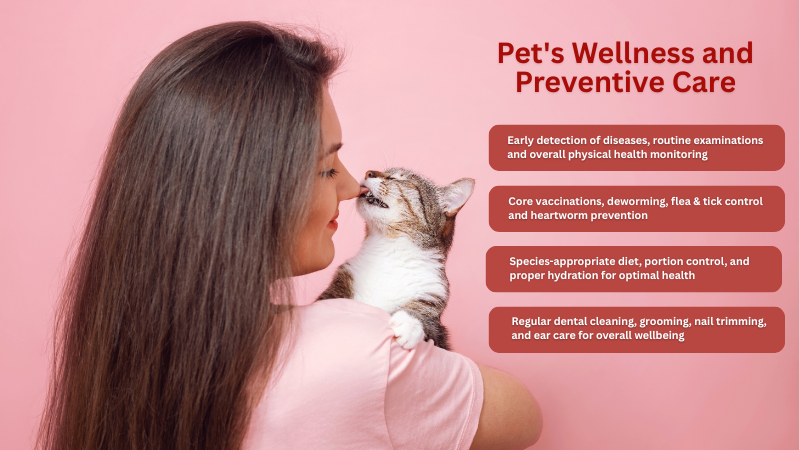
Pet Wellness and Preventive Care
- Routine Vet Care: Annual checkups ensure pets are vaccinated and healthy, which is critical for their resilience during disasters.
- Preventive Medicine: Maintain up-to-date flea, tick, and heartworm medication to avoid illnesses that could become emergencies.
- Pet-Proofing: Regularly inspect your home for toxic plants, chemicals, loose wires, and small objects that could cause injury.
- Behavioral Monitoring: Watch for changes in mood, eating, or sleeping habits after stressful events.
Pet Safety and Emergency Readiness
- Identification: Ensure pets wear collars with up-to-date tags. Microchip your pets and keep registration information current.
- Emergency Kits (“Go-Bag”): Assemble a kit with food, water (for 5-7 days), medication, medical records, leash/harness, and sanitation supplies.
- Evacuation Plan: Identify pet-friendly hotels, boarding facilities, or friends outside your area. Do not leave pets behind during disasters.
- Buddy System: Arrange for a trusted neighbor to check on or evacuate your pets if you are not home.
- Safe Room: Identify an interior, pet-friendly room with few windows for sheltering in place.
Emergency Response and First Aid
- First Aid Kit: Include gauze, antiseptic wipes, tape, tweezers, and a pet thermometer.
- Emergency Recognition: Immediate veterinary care is needed for difficulty breathing, collapse, excessive bleeding, seizures, or toxin ingestion.
- Handling Injured Pets: Approach with caution, as even calm pets may bite due to pain or fear; use a blanket or towel to restrain them gently.
- CPR/Heimlich: Learn basic pet first aid to stabilize your pet before reaching a vet.
Rules, Ethics, and Professional Standards
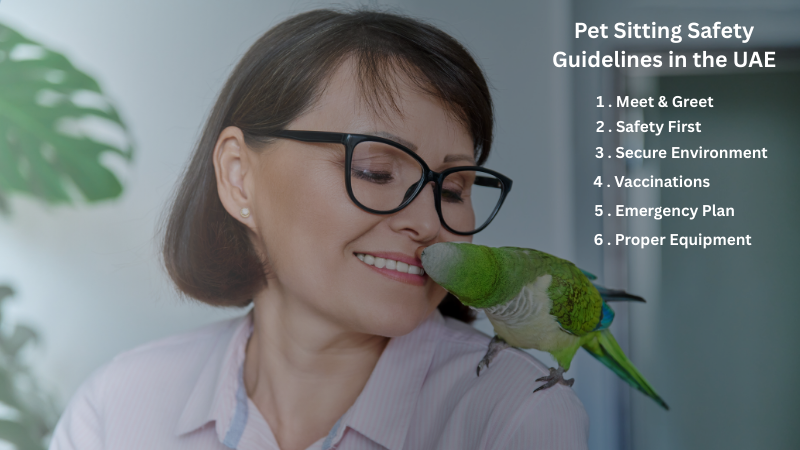
Rules, ethics, and professional standards for pet care, training, and veterinary medicine prioritize the health, safety, and welfare of animals, often summarized as “doing no harm” and utilizing science-based, humane methods. These standards emphasize compassion, integrity, and confidentiality, requiring professionals to act as responsible advocates for animals.
Core Ethical Principles in Pet Care
- Welfare First: Animal well-being must be prioritized above all, minimizing fear, pain, stress, and suffering.
- Do No Harm: Physical or psychological maltreatment is strictly prohibited.
- Science-Based Methods: Training and care should use humane, evidence-based practices.
- Respect for Life: Treating animals with dignity and providing humane care throughout their lives.
- Responsibility to Clients: Providing honest, transparent service and maintaining confidentiality regarding client information.
Pet Sitting Based on Pet Characteristics
Every pet is unique, and the best pet sitting approach depends on your pet’s individual characteristics. Tailoring care this way ensures comfort, safety, and emotional well-being while you’re away.
Age
- Puppies & Kittens: Frequent feeding, potty breaks, playtime, and basic training reinforcement.
- Adult Pets: Balanced routine with exercise, mental stimulation, and companionship.
- Senior Pets: Gentle care, mobility support, medication management, and close health monitoring.
Breed & Size
- High-Energy Breeds: Longer walks, active play, and structured exercise.
- Small or Toy Breeds: Shorter activities, warmth, and careful handling.
- Large Breeds: Space to move, strength-aware handling, and consistent routines.
Personality & Temperament
- Shy or Anxious Pets: Calm sitters, minimal disruption, and familiar routines.
- Social & Playful Pets: Interactive play, enrichment toys, and social engagement.
- Independent Pets: Respectful space with regular check-ins and care.
Health & Medical Needs
- Pets with Medical Conditions: Medication schedules, special diets, and symptom monitoring.
- Post-Surgery or Recovery: Limited activity, comfort care, and close observation.
Lifestyle & Routine
- Home-Loving Pets: In-home pet sitting to reduce stress and maintain familiarity.
- Routine-Dependent Pets: Consistent feeding, walks, and sleep times to avoid anxiety.
Types of Pet Sitting Services
Pet sitting services provide customized, in-home care for animals while owners are away, ranging from short, daily drop-in visits (15-30 min) for food and potty breaks to 24-hour, in-home care. Other key types include dog walking for exercise, overnight stays for companionship, and, in some cases, boarding at a sitter’s home.
Here are the primary types of pet-sitting services:
- In-Home Pet Sitting: A sitter comes to your home to feed, play with, and care for pets, allowing them to remain in their familiar environment.
- Drop-In Visits: Short, scheduled visits (usually 10-30 minutes) for potty breaks, feeding, and quick playtime.
- Overnight Pet Sitting: A pet sitter stays at your home overnight, providing continuous care, security, and companionship.
- House Sitting: A comprehensive service where a sitter lives in your home, caring for pets, maintaining routines, and managing home tasks like collecting mail.
- Dog Walking: Regular, individual, or group walks to ensure dogs get exercise and mental stimulation.
- Pet Boarding: Your pet stays at the pet sitter’s home, offering a home-like environment rather than a kennel.
- Doggy Day Care: Daytime care provided either in the sitter’s home or a dedicated facility.
- Specialized/Additional Services: Many sitters offer extras like pet taxi services, medication administration, or emergency visits.
When to Choose Pet Sitting Services
Pet sitting services are best chosen when you need to maintain your pet’s routine, manage special medical needs, reduce separation anxiety, or avoid the stress of boarding, particularly during vacations, long work hours, or emergencies. They offer customized in-home care, ensuring pets remain in a familiar environment while providing security and attention.
Top Reasons to Choose Pet Sitting Services
- Special Needs/Health Concerns: When your pet requires medication, injections, or special, consistent care that boarding facilities cannot provide.
- Anxiety and Routine: For pets that get stressed in new environments (separation anxiety) or thrive on a strict, familiar, daily schedule.
- Convenience During Travel: Ideal for vacations, business trips, or last-minute, unexpected events.
- Puppies/Senior Pets: When young, untrained puppies need frequent attention, or senior pets need specialized attention.
- Multiple Pets: It is often more cost-effective and less stressful for households with several animals.
- Security for Your Home: Services often include light home care, such as watering plants, bringing in mail, and giving the home a lived-in appearance.
How To Choose the Right Pet Sitter
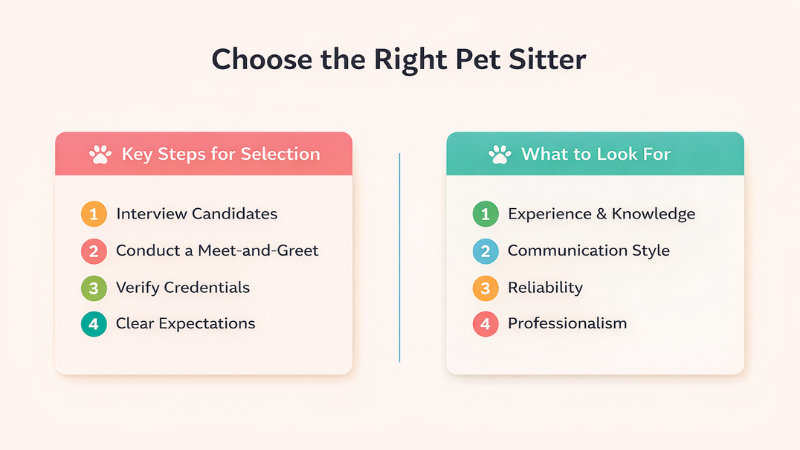
Choosing the right pet sitter involves prioritizing safety and compatibility by hiring experienced, insured, and bonded professionals who are vetted through reviews, references, and a mandatory in-person meeting. Key steps include assessing their animal handling skills, ensuring they understand your pet’s specific needs, verifying their emergency protocols, and checking for clear communication.
Steps to Choose the Right Pet Sitter
- Seek Recommendations: Ask your veterinarian, local humane societies, or friends and family for trusted referrals.
- Verify Credentials: Ensure the sitter is insured, bonded, and has passed a criminal background check.
- Conduct an Interview/Meet & Greet: Meet the sitter with your pet present to observe their interaction and ensure your pet feels comfortable.
Ask Key Questions:
- What is your experience with similar pets?
- Are you trained in pet first aid or able to administer medication?
- What is your plan in case of an emergency or if you cannot make it?
- How will you provide updates (e.g., photos, messages)?
Evaluate Experience: Look for someone familiar with the behavior of your specific pet type (e.g., cats, dogs, rabbits).
Trust Your Gut: Choose someone who is caring, reliable, and with whom you feel comfortable.
Green Flags: 7 Signs To Look for in a Good Pet Sitter
A great pet sitter ensures safety and comfort through proactive communication, proper insurance, and a genuine, experienced love for animals. Key green flags include conducting a meet-and-greet, asking detailed questions about routines, offering regular updates, holding pet first-aid/CPR certifications, and having strong, verified, positive reviews from past clients.
Here are 7 green flags to look for in a good pet sitter:
- Prompt and Clear Communication: They respond quickly to messages, send regular updates (photos/notes) as agreed, and are easy to reach.
- Require a Meet-and-Greet: They prioritize meeting you and your pet beforehand to ensure compatibility and discuss routines.
- Ask Specific Questions: Instead of just taking a booking, they ask about pet behavior, dietary needs, medication, and, crucially, emergency contacts.
- Verified Credentials and Safety Protocols: They have proof of insurance, bonding, and potentially pet first-aid/CPR certification, indicating a professional approach.
- Positive Reviews and References: They have consistent 5-star reviews mentioning they are responsible, trustworthy, and that pets were happy in their care.
- Genuine Interaction with Your Pet: During the initial meeting, they show patience, read your pet’s body language well, and make an effort to bond with them.
- Emergency Preparedness: They have a concrete plan for unforeseen events, such as knowing the nearest emergency vet, and they are reliable with their schedule.
Top 5 Pet Sitting Companies in the UAE
Top pet-sitting services in the UAE, including Pawland, provide verified, in-home, and cage-free care for pets, offering specialized services for dogs and cats across the Emirates. These companies often provide photo updates and in-home care to ensure pets feel safe and comfortable in their familiar environment.
Here are the top pet-sitting options in the UAE based on available information:
1. Pawland
Pawland is an award-winning pet care company in the UAE, recognized for delivering high-quality, personalized services for dogs, cats, rabbits, and birds. With over 350 verified pet owner reviews and an impressive 4.9/5 rating, Pawland is highly trusted and recommended by pet parents across the UAE.

2. PetBae
A major community-driven platform in the UAE, connecting pet owners with verified pet sitters and groomers for tailored, in-home care.
3. PetBacker
A highly rated app for finding on-demand, verified dog walkers and pet sitters.
4. TrustedHousesitters
A unique, global platform operating in the UAE, allowing owners to connect with sitters for often free in-home care.
5. My Buddy Pet Care
Offers specialized, monitored in-home and daycare services for dogs of various sizes.
Prepare for Pet Sitting
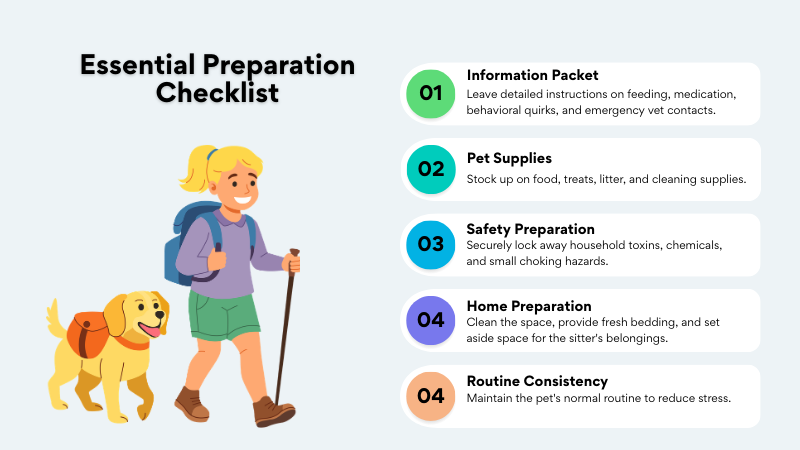
To ensure a smooth pet-sitting experience, you must organize your efforts into three main areas, preparing your pet for a new person, readying your home for the sitter’s stay, and providing comprehensive care instructions.
Preparation for the Pet Owner
Before you leave, establish clear communication and logistics with your sitter to avoid mid-trip interruptions.
- Conduct a Meet-and-Greet: Schedule an in-person meeting so your pet can become acquainted with the sitter while you are present.
- Set Communication Expectations: Decide how often you want updates (daily photos, texts, or only for emergencies).
- Verify Access: Ensure all keys, gate codes, and alarm systems are functional and that the sitter knows how to use them.
- Notify Neighbors: Inform trusted neighbors that a sitter will be at your home to avoid confusion or security concerns.
Preparing Your Home for Pet Sitting
Make your home a safe and comfortable environment for both the sitter and your pet.
- Clean and Organize: Tidy communal spaces and clear the wardrobe or bathroom space if the sitter is staying overnight.
- Safety Walk-Through:
- Pet-Proofing: Lock away hazardous substances like cleaning chemicals, medications, and toxic foods (e.g., chocolate).
- Secure Boundaries: Check that gates are secure and any gaps in fences are blocked.
- Off-Limit Areas: Clearly mark or close doors to rooms that are off-limits to pets or the sitter.
- Stock Essentials: Provide more than enough food, treats, medication, and cleaning supplies (like poop bags or litter) to last the duration of your trip, plus a few extra days.
- Set the Environment: Leave instructions for the thermostat, Wi-Fi password, and how to operate household appliances (TV, coffee maker, etc.).
Preparation for the Pet
Minimize your pet’s stress by maintaining their routine as much as possible.
- Maintain Routine: Keep feeding, walking, and sleep schedules consistent leading up to your departure.
- Health and Hygiene: Ensure your pet is up-to-date on vaccinations, flea/tick treatments, and grooming (e.g., nail trims) before the sit begins.
- Comfort Items: Leave out your pet’s favorite toys and a piece of your worn clothing or a blanket with your scent to provide comfort.
- Avoid Dramatic Farewells: Keep your departure low-key to reduce separation anxiety.
Choosing and Verifying a Pet Sitter
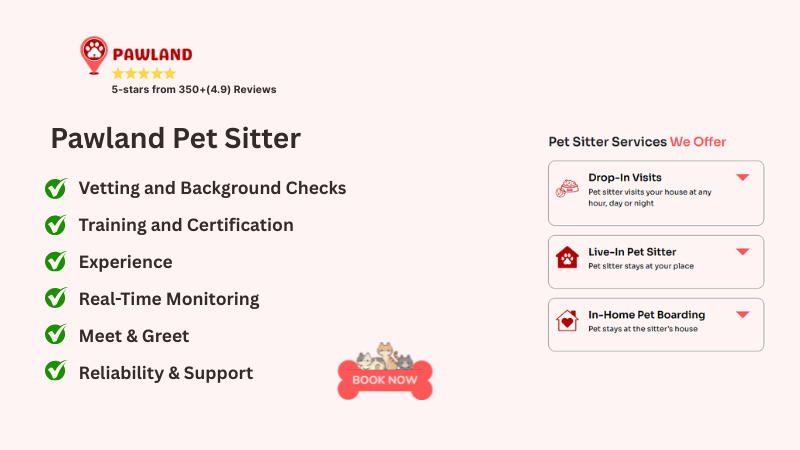
Choosing and verifying a pet sitter involves a mix of thorough research, in-person interviews, and trusting your intuition to ensure your pet is safe, comfortable, and well-cared for. Key steps include assessing your pet’s specific needs, checking references, ensuring the sitter is insured and bonded, and conducting a “meet and greet” to evaluate their interaction with your pet.
Where to Find Reputable Pet Sitters
- Word-of-Mouth: Ask friends, neighbors, family members, or your veterinarian for recommendations.
- Professional Organizations: Use locator tools from the National Association of Professional Pet Sitters (NAPPS) or Pet Sitters International (PSI).
- Online Platforms: Websites like Pawland, Rover, and allow you to read reviews and background checks.
How to Verify a Pet Sitter
- Check Background & Reviews: Look for verified reviews on platforms like Google, Yelp, or dedicated pet-sitting sites.
- Verify Insurance and Bonding: A professional pet sitter should be insured to cover accidents/injuries and bonded to protect against theft.
- Request References: Ask for at least 3 references from past clients to confirm their reliability.
- Confirm Certifications: Ask if they have training in pet first aid or CPR.
- Run a Background Check: For in-home sitting, ask the sitter to undergo a criminal record check for safety.