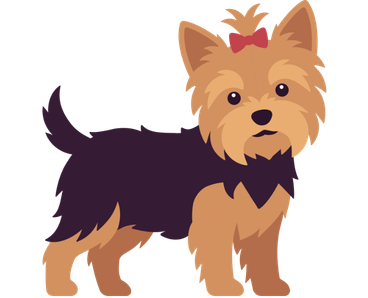


The Yorkshire Terrier is a compact, high-energy toy breed originally engineered for industrial pest control. It features a hypoallergenic, silk-textured coat and a bold behavioral profile that exceeds its small physical scale. This breed functions as a loyal, high-fidelity companion characterized by intelligence and territorial alertness.
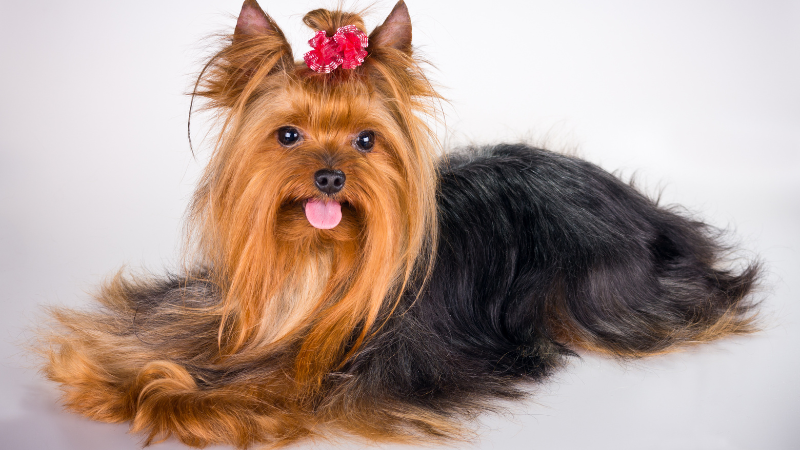
In the UAE, the Yorkie is a high-demand asset optimized for urban high-rise living. Its small form factor and low-shedding hair are perfectly compatible with air-conditioned environments and high-density apartments. Additionally, its portability aligns with the mobile, international lifestyle of the region’s demographic.
History and Origin of the Yorkshire Terrier
The Yorkshire Terrier originated in 19th-century Northern England as a high-performance biological solution for industrial pest control. Engineered by cross-breeding Scotch, Paisley, and Skye Terriers, the breed was optimized for agility and vermin detection within the tight infrastructures of textile mills and coal mines. Following the Victorian era, the Yorkie underwent a status reprogramming, transitioning from a rugged industrial “ratter” to a luxury social asset for the British aristocracy. This evolution shifted the breed’s primary function from utility worker to high-fidelity companion, solidifying its role as a premier toy breed in modern society.
Yorkshire Terrier Appearance and Size
The Yorkshire Terrier is a compact, toy-sized dog famously known for its “big dog” attitude and floor-length, silky coat. Adult Yorkies typically stand between 7 and 9 inches tall and weigh no more than 7 pounds
Key Size Metrics
- Weight: Ideally 4 to 7 lbs (1.8–3.2 kg); rarely exceeds 7 lbs in breed standards.
- Height: 7 to 8 inches (18–20 cm) at the shoulder.
- Maturity: They generally reach full adult size by one year of age.
Yorkshire Terrier Temperament and Behavior
Yorkshire Terriers are spirited, “big-city” dogs with a feisty, courageous, and affectionate personality. Despite their small size, they often act as confident guardians and are famously bossy.
Core Personality Traits
- Feisty & Fearless: True to their terrier roots, they are brave and sometimes unaware of their small size.
- Affectionate: They form extremely strong bonds with their family and love being close to their humans.
- Vocal Watchdogs: They are highly alert and will bark to announce visitors or strange noises.
- Intelligent but Stubborn: They learn quickly but may have an independent streak that makes training, especially housebreaking, challenging.
Are They Good Family Dogs?
Yorkies can be excellent family pets, but they are generally best suited for families with older children.
- Older Kids: They thrive with children who understand how to handle small dogs gently and respect their space.
- Young Children: They are not typically recommended for toddlers. Because of their tiny, fragile frame, they can be easily injured by rough play, which may cause them to nip in self-defense
Pet Care for Your Yorkshire Terrier in the UAE
Dog Boarding Services
Dog Sitting Services
Dog Walking Services
Yorkshire Terrier Lifespan and Health
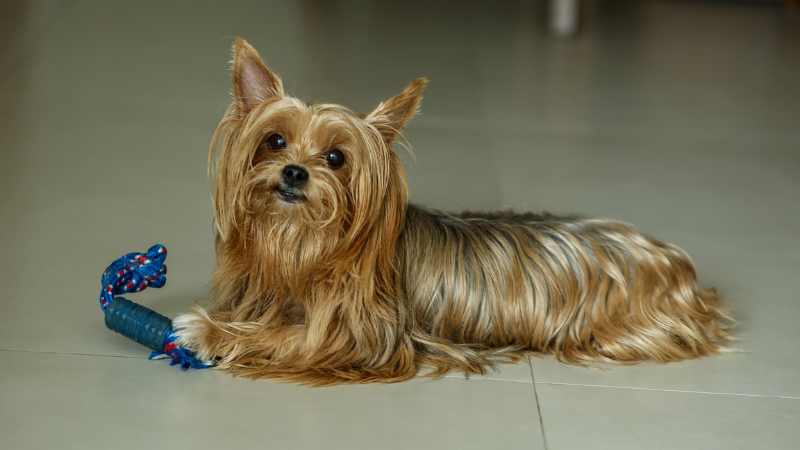
Yorkshire Terriers are long-lived dogs, typically living 11 to 16 years, with many reaching their late teens. While generally healthy, they are prone to specific health issues, including dental disease, patellar luxation, tracheal collapse, and hypoglycemia. Proper veterinary care and regular check-ups are essential for their health.
Key Health & Lifespan Details
- Average Lifespan: 11–15 years is the common range, though they often reach 13–16 years with good care.
- Longevity Factors: Females tend to live roughly 1.5 years longer than males.
- Common Health Issues:
- Dental Disease: Due to their small mouths, Yorkies are highly susceptible to plaque and periodontal issues.
- Tracheal Collapse: A weakened trachea can cause a “goose honk” cough.
- Patellar Luxation: A condition where the kneecap slips out of place.
- Hypoglycemia: Sudden drops in blood sugar are common in puppies.
- Liver Shunts: A serious genetic condition preventing proper toxin filtration.
- Care Recommendations:
- Dental Care: Daily brushing is highly recommended to prevent premature tooth loss.
- Harness vs. Collar: Use a harness to prevent damage to their sensitive trachea.
- Vet Visits: Annual exams are crucial, with more frequent check-ups for senior dogs.
- Weight Management: Regular exercise and monitoring food intake to avoid obesity
Yorkshire Terrier Diet and Nutrition
Yorkshire Terriers need a high-protein (25-30%), moderate-fat (15-20%) diet specially formulated for small breeds to support their fast metabolism and high energy. Due to their small stomachs, they thrive on 2–3 small meals a day. Key nutrients include Omega fatty acids for their coat, prebiotics for digestion, and small kibble for dental health.
Key Nutritional Requirements
- Protein: High-quality animal protein (chicken, turkey, lamb, fish) is essential for muscle development.
- Fats: Provide needed energy, ideally 15–20% in their diet.
- Nutrient-Dense: Small breed formulas are necessary to meet energy needs without overfeeding.
- Skin/Coat Support: Omega-3 (fish oil) and Omega-6 (sunflower oil) help maintain a healthy, silky coat.
Yorkshire Terrier Price and Availability
Yorkshire Terrier puppies in the UAE generally cost between AED 2,000 and AED 8,500+, with typical prices for high-quality, vaccinated, or imported puppies ranging from AED 5,000 to AED 7,500. Prices vary based on age, lineage, and whether they are standard or teacup size.
Typical Price Breakdown
- Average Puppy Price: AED 4,500 – AED 7,500.
- Mini/Teacup Yorkies: Often on the higher end, sometimes exceeding AED 7,000 due to high demand for small apartment-friendly pets.
- Budget/Individual Sellers: Sometimes available for AED 2,000 – AED 3,000 on platforms like OpenSooq
Fun Facts About the Yorkshire Terrier
Yorkshire Terriers, or “Yorkies,” are tiny, energetic dogs (usually under 7 lbs) originally bred in 19th-century England to hunt rats in mines and mills. Known for their silky, human-like hair that sheds very little, they are popular, brave, and often think they are much bigger than they actually are.
Here are some fun facts about Yorkshire Terriers:
- Blue-Collar Roots: Despite their luxurious look today, Yorkies were once “ratters” for working-class miners and weavers in Yorkshire, England.
- Human-Like Hair: Yorkies don’t have an undercoat and their hair grows continuously like human hair, making them a great choice for allergy sufferers.
- A Hero Named Smoky: A Yorkie named Smoky was a World War II mascot who was arguably the first therapy dog, visiting wounded soldiers and helping her handler find survivors in foxholes.
- Tiny Size Record: A Yorkie named Lucy holds the record for the world’s smallest working dog, weighing only 2.5 lbs.
- Color-Changing Coats: Yorkies are born black and tan, and their coat color changes as they mature, turning steel-blue and gold within their first three years.
- The “Reverse Sneeze”: Yorkies often experience a “reverse sneeze” (or pharyngeal gag reflex), which makes a honking sound like a goose. It is harmless and lasts for only a few minutes.
- Super Brave (or Fearless): Despite their small stature, Yorkies are known to take on animals much larger than themselves, including bears.