

The British Longhair cat is a medium-to-large, muscular pedigree feline beloved for its distinct teddy-bear face, plush semi-long coat, and calm demeanor. Often called the “Lowlander” or “Highlander” in Europe, this breed is the long-furred counterpart of the classic British Shorthair.
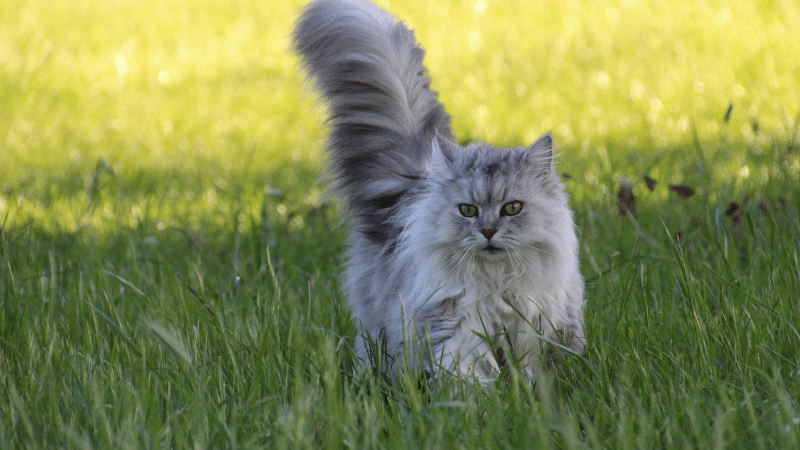
The British Longhair is a powerfully built cat featuring a broad chest, short, strong legs, chubby cheeks, and large, round eyes. Despite their regal and imposing look, they are incredibly easygoing, independent yet affectionate, and perfectly suited for peaceful indoor living.
This breed originated in the United Kingdom. Between 1914 and 1918, breeders began crossbreeding British Shorthairs with Persian cats to expand a depleted gene pool after the world wars. This introduced the recessive gene for long hair.
British Longhair vs. British Shorthair
- Coat: The Shorthair has a crisp, dense plush coat. The Longhair features a flowing, semi-long coat that stands out away from the body.
- Personality: Thanks to their Persian ancestry, Longhairs are often reported to be slightly more mellow, snuggly, and soft-natured than Shorthairs.
- Grooming: Shorthairs need minimal brushing, whereas Longhairs require regular combing to eliminate knots.
British Longhair Cat Appearance
Coat, Body, and Eye Color
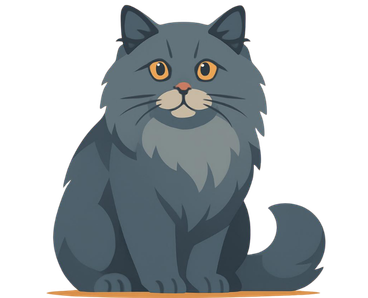
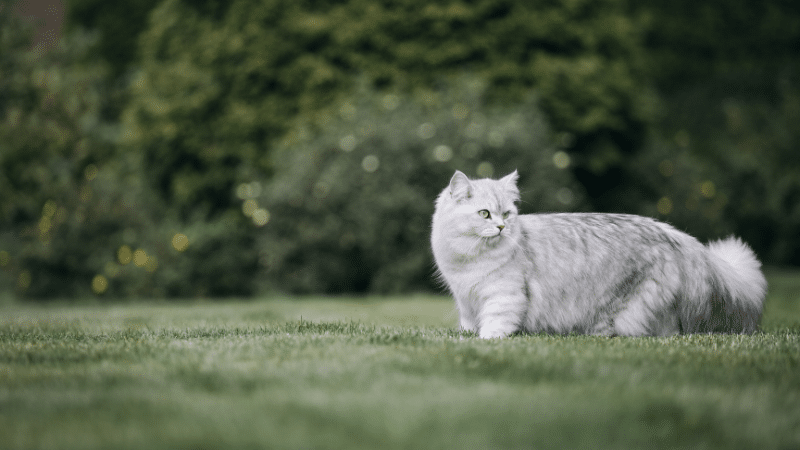
The British Longhair cuts a massive silhouette wrapped in a thick, weather-proof double coat with an abundant ruff around the neck and tufted paws. Their large round eyes are exceptionally expressive and typically come in deep gold, copper, green, or blue, strictly matching their coat pattern.
British Blue Longhair Cat
The solid “British Blue” (a rich, slate gray) paired with copper-orange eyes remains the most iconic and highly sought-after variety of the breed.
British Longhair Cat Grey
Often used interchangeably with the Blue variety, grey cats can display solid, smoke, or shaded patterns, giving their dense coats a shimmering silver effect.
British Longhair Cat Ginger
Also known as “Red,” these cats display vibrant orange marmalade coats, frequently in classic, mackerel, or ticked tabby patterns, completed by warm amber eyes.
Other Common British Longhair Colors
The breed standard accepts over 300 color combinations, including:
- Solids: Black, White, Lilac, Cream, and Chocolate.
- Patterns: Tortoiseshell, Colorpoint (Siamese-style points), Bicolor, and Silver Chinchilla.
British Longhair Cat Personality and Temperament
Are They Good Family Pets?
Yes, they make exceptional family pets. They are patient, emotionally stable felines that enjoy being in the same room as their owners without demanding constant, active attention. They love lounging on sofas or acting as relaxed “house ornaments”.
Compatibility With Children and Other Pets
Due to their non-aggressive, tolerant nature, they cohabitate beautifully with well-behaved children and cat-friendly dogs. They rarely scratch or panic, preferring to calmly walk away to a high perch if a situation becomes too loud or chaotic.
British Longhair Cat Lifespan
Average Lifespan of British Longhaired Cats
The average lifespan of a British Longhair ranges between 12 and 17 years, though many healthy indoor individuals routinely live up to 20 years with excellent care.
Factors That Affect Their Life Expectancy
- Obesity: Their sedentary lifestyle makes them incredibly prone to packing on excess weight, straining joints and internal organs.
- Genetic Health: Inheriting fatal cardiovascular or renal diseases dramatically reduces survival rates if parents are untested.
- Environment: Indoor-only cats face far fewer risks from infectious diseases, vehicles, and predators.
Tips to Help Your Cat Live Longer
- Buy only from breeders who provide certified DNA and echocardiogram clearances.
- Enforce strict portion control with high-protein food to mitigate weight gain.
- Keep them exclusively indoors or provide a secure, enclosed outdoor “catio”.
British Longhair Cat Care in the UAE
Cat Sitting Services
Cat Boarding Services
How to Care for a British Longhair Cat
Grooming Requirements
Despite their long fur, their coat is resilient and does not mat as easily as a Persian’s. Brush them 2 to 3 times a week using a slicker brush and a steel comb to remove loose undercoat fur. Increase this to daily brushing during the spring and autumn shedding seasons.
Diet and Nutrition
Because they are naturally low-energy cats, feed them premium, grain-free wet food to support optimal hydration and prevent urinary issues. Avoid leaving dry kibble out for free-feeding, as they will overeat out of boredom.
Exercise and Mental Stimulation
Proactively stimulate your cat for at least 15 minutes daily using laser pointers, feather wands, or mechanized puzzle feeders. This keeps their metabolism active and prevents muscle atrophy.
Common Health Concerns
- Hypertrophic Cardiomyopathy (HCM): An inherited condition causing the thickening of heart muscle walls.
- Polycystic Kidney Disease (PKD): A genetic disorder where fluid-filled cysts develop in the kidneys, eventually causing renal failure.
- Dental Problems: Their shortened jaw structure leaves them prone to tartar buildup and gingivitis.