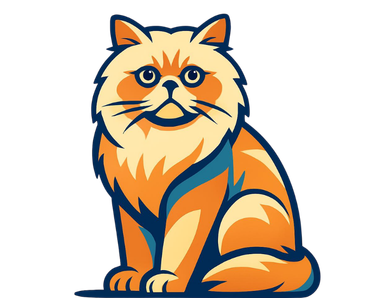


The Persian cat is one of the world’s oldest and most recognizable pedigreed breeds, celebrated for its long, luxurious coat and sweet, gentle temperament. Often described as the “aristocrats of the cat world,” they are best suited for quiet, indoor environments where they can lounge comfortably and receive regular affection.
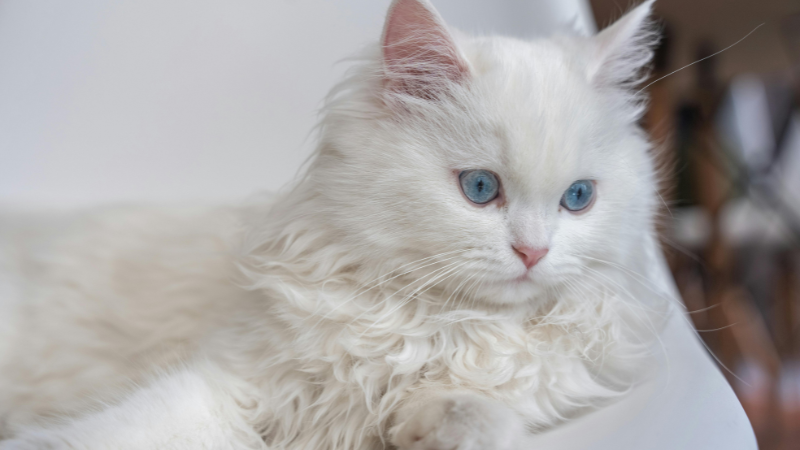
Persian cats, renowned for their long, luxurious coats and gentle temperament, originated in ancient Mesopotamia (modern-day Iran) and were introduced to Europe in the 1600s. Believed to have developed their long hair to survive in the cold Zagros mountain range, these cats were brought to Italy and France by explorers, quickly becoming favorites among European royalty, including Queen Victoria
Persian Cat Personality and Temperament
Persian cats are widely considered the “ultimate lap cats” due to their exceptionally calm, sweet, and gentle disposition. They are famously low-energy and prefer lounging in quiet, peaceful environments over the high-activity antics of more boisterous breeds.
Core Personality Traits
- Gentle and Mellow: Persians have a soft-spoken nature and a naturally relaxed disposition. They rarely hiss or scratch, often preferring to simply leave a room if they find a situation unpleasant.
- Quiet Vocalization: Unlike chatty breeds like the Siamese, Persians are relatively quiet. When they do vocalize, they typically use soft, sweet, and musical meows.
- Loyal and Affectionate: While they can be reserved or wary of strangers, they form deep, loyal bonds with their families once they feel safe. They enjoy being petted and admired and will often greet their owners at the door.
- Creatures of Habit: This breed thrives on routine and can be sensitive to environmental changes, such as new furniture or sudden shifts in their daily schedule.
Types of Persian Cats
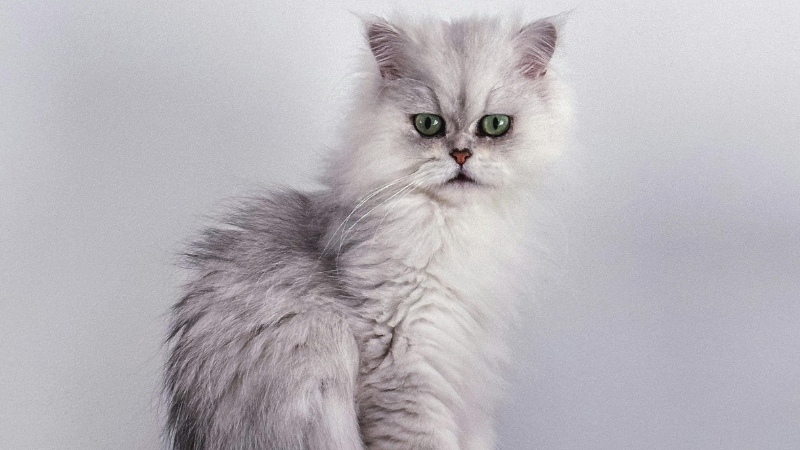
Persian cats are renowned for their long, luxurious coats and calm demeanor, categorized by the Cat Fanciers’ Association (CFA) into seven distinct color divisions, including solid, silver/golden, and Himalayan. These cats vary from “doll-face” to flat-faced (“peke-face”) types, with popular color variations like pure white, coal black, and shaded chinchilla.
Types of Persian Cats
Persian cats are officially classified into seven color divisions: Solid, Silver & Golden, Smoke & Shaded, Tabby, Particolor, Bicolor, and Himalayan.
- Solid Color Division: Pure colors including White, Blue, Black, Red, Cream, Chocolate, and Lilac.
- Silver & Golden: Includes Chinchilla and Shaded variants, which have sparkling white or golden undercoats with tipped fur.
- Smoke & Shaded: Similar to silver, but with deeper coloring that makes them appear darker.
- Tabby: Classic, mackerel, and patched patterns.
- Particolor & Bicolor: Tortoiseshell and Calico (white with patches) variants.
- White Persian Cat: White Persian cats are considered a “common” yet highly popular type, often featuring brilliant white fur with no other colors.
- Black Persian Cat: Black Persians are known for a dense, coal-black coat that is sound from the roots to the tips. They typically have brilliant copper eye color.
Golden & Chinchilla Persian
- Chinchilla: Known for their stunning white undercoat with black tipping on their back, flanks, head, and tail, giving them a shimmering silver appearance. They often have green or blue-green eyes.
- Golden: These have a deep gold undercoat with black tips, offering a warmer variation of the chinchilla look.
Himalayan Persian Cat
The Himalayan is a hybrid created by crossing Persians with Siamese cats, recognized for their light-colored bodies and dark “points” (ears, face, legs, tail).
- Features: They possess the long, luxurious coat of the Persian with the striking blue eyes and point coloring of the Siamese.
- Variations: Points can be black, blue, red, cream, chocolate, or lilac.
Persian Cat Health Issues & Lifespan
Persian cats are known for their luxurious coats and gentle temperaments, but they are considered a high-maintenance breed due to several hereditary and lifestyle-related health concerns. With proper care, they are long-lived companions.
Common Health Problems in Persian Cats
The physical traits that define the Persian breed, specifically their long fur and flat “brachycephalic” faces, contribute to most of their common health issues.
- Polycystic Kidney Disease (PKD): A significant genetic condition affecting roughly 30–40% of Persians, where cysts develop in the kidneys and can lead to kidney failure.
- Brachycephalic Airway Syndrome: Due to their flat facial structure, many Persians suffer from narrowed airways, causing breathing difficulties, snoring, and sensitivity to heat.
- Eye Disorders: Their protruding eyes are prone to excessive tearing (epiphora), which can lead to skin irritation, as well as Progressive Retinal Atrophy (PRA) and Entropion (eyelids rolling inward).
- Dental Disease: A compact jaw structure often leads to overcrowded teeth, increasing the risk of plaque buildup and gum disease.
- Skin and Coat Issues: Their dense double coat frequently develops painful mats, which can hide skin infections or fungal conditions like ringworm (Dermatophytosis).
Average Lifespan of Persian Cats
The average lifespan of a Persian cat is typically between 12 and 15 years. However, with exceptional indoor care and preventive health monitoring, some individuals can reach 18 to 20 years.
The Elegance and Expert Care of Persian Cats
Cat Sitting Services
In-Home Cat Boarding Services
Persian Cat Food
Feeding a Persian cat requires a strategy that supports their unique facial structure, long coat, and sensitive kidneys. Because of their “brachycephalic” (flat) faces, they often use the underside of their tongue to pick up kibble, making the shape of their food surprisingly important.
Best Food for Persian Cats
The ideal diet for a Persian focuses on high protein, Omega-3, and Omega-6 fatty acids for skin health, and fiber to manage hairballs.
- Breed-Specific Formulas: Brands like Royal Canin or Hill’s Science Diet offer “Persian-specific” kibble. These are shaped like small almonds or crosses, making it easier for them to grasp and chew.
- High-Quality Proteins: Look for real meat (chicken, turkey, or salmon) as the first ingredient. Avoid fillers like corn or soy, which can contribute to weight gain.
- Hairball Control: Since Persians groom constantly, look for formulas containing beet pulp or psyllium husk to help move swallowed fur through the digestive tract.
Persian Cat vs Other Cat Breeds
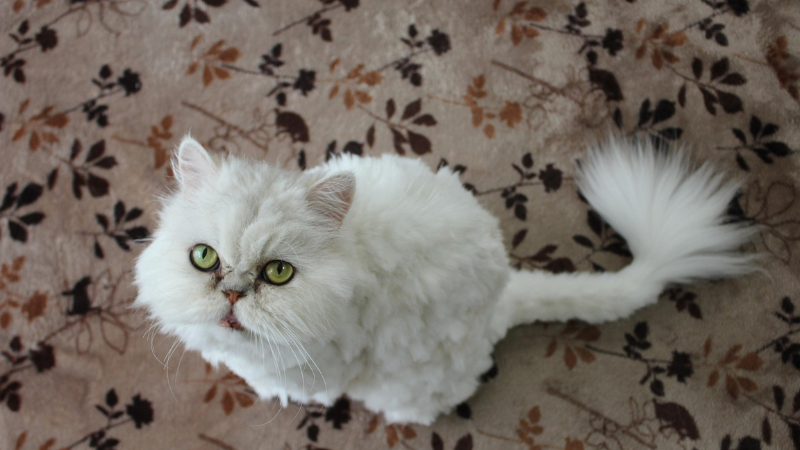
Choosing between a Persian and another popular breed often comes down to a trade-off between the Persian’s “ultra-calm” demeanor and the higher activity or lower maintenance of other cats.
Persian Cat vs. Siamese Cat
These two breeds are opposites in nearly every way, from their appearance to their “noise” level.
- Energy & Vocals: Siamese cats are famously talkative, demanding, and high-energy “extroverts”. Persians are quiet, “parlour cats” that communicate mostly through eye contact rather than meowing.
- Build: Siamese are sleek, athletic, and wedge-faced. Persians are “cobby,” sturdy, round, and muscular with their signature flat faces.
- Grooming: A Siamese requires very little grooming and is even considered somewhat hypoallergenic. A Persian needs a deep, daily comb-through to prevent mats.
Persian Cat vs. Maine Coon
Both are long-haired and affectionate, but their lifestyles differ significantly.
- Size: Maine Coons are “gentle giants,” often reaching up to 11kg (25 lbs). Persians are much smaller, typically staying between 3kg and 5.4kg.
- Personality: Maine Coons are often described as “dog-like”—they love to climb, play in water, and follow their owners around. Persians prefer a sedentary life, lounging on a cushion.
- Face Shape: Maine Coons have a natural “square” muzzle and large, tufted ears. Persians have a round, flat face with very small ears.
Persian Cat vs. British Shorthair
This is a popular comparison for owners seeking a “teddy bear” look with a stable temperament.
- Maintenance: The British Shorthair is significantly easier for beginners. Their dense coat only needs weekly brushing, compared to the daily intensive care a Persian requires.
- Affection Style: Both are calm, but Persians tend to be more “clingy” and affectionate. British Shorthairs are “shadow cats”, they like to be in the same room as you but often prefer not to be picked up or cuddled.
- Face Type: While both have round faces, British Shorthairs have “moderate” features with a clear nose break, allowing them to breathe much more easily than the flat-faced Persian.