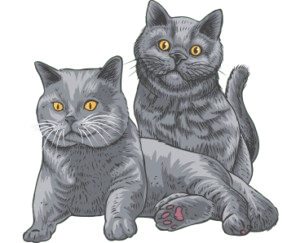


The British Shorthair is a calm, sturdy cat with a round face and a thick, plush coat. It is gentle and easygoing, but it can gain weight easily and sheds more than its short coat suggests. Good British Shorthair care means measured meals, daily play, weekly brushing, regular vet checks and a steady routine.
This guide explains each part of British Shorthair care in simple steps, so you know what your cat needs and why.

What Does a British Shorthair Need Every Day?
A British Shorthair needs measured meals, fresh water, a clean litter box, two short play sessions and some quiet time near its people.
A simple daily routine looks like this:
- Morning: breakfast and fresh water
- Daytime: rest in a quiet, comfortable spot
- Evening: a short play session and dinner
- Night: calm time near you
British Shorthairs love routine. Feeding and playing at the same times every day keeps them relaxed and content.
How Much Should You Feed a British Shorthair?
Feed a British Shorthair two or three measured meals a day of a complete, high-protein cat food, and avoid leaving food out all day.
British Shorthairs are calm and not very active, so they put on weight easily. Extra weight can lead to joint problems and diabetes. Learning how often to feed your cat and sticking to set meal times is one of the best things you can do for this breed.
- Choose a food with real meat listed first
- Weigh dry food rather than guessing
- Add wet food for extra moisture
- Keep treats small and count them in the day’s food
- Keep fresh water in two or three places
You should be able to feel your cat’s ribs under a light layer of fat. If you can’t, ask your vet about adjusting portions.

How Do You Keep a British Shorthair Active?
You keep a British Shorthair active with two short play sessions a day, using toys that make it move.
This breed is happy to lounge for hours, so it often needs gentle encouragement to play. Ten minutes of play, twice a day, helps control weight and keeps its mind busy.
- Wand toys: drag them along the floor so your cat chases and pounces
- Puzzle feeders: make your cat work for part of its food
- Low cat trees: British Shorthairs are heavy, so choose sturdy, low platforms
- Window perches: give your cat something to watch during the day
Good to know: British Shorthairs often prefer short bursts of play over long sessions. Stop while your cat is still interested, and try again later.
How Do You Groom a British Shorthair?
You groom a British Shorthair by brushing its dense coat once or twice a week, and more often during seasonal shedding.
The coat is short but very thick, so loose hair builds up quickly. Regular brushing keeps the coat healthy and reduces hairballs.
- Brush once or twice a week with a rubber brush or fine comb
- Brush more often in spring and autumn, when shedding increases
- Check ears every week and wipe the outer part if needed
- Trim nails every two to three weeks
- Brush teeth with cat toothpaste a few times a week if your cat allows it
Most British Shorthairs don’t need baths. Ask your vet if your cat’s coat looks greasy, patchy or dull.
How Should You Handle a British Shorthair?
Handle a British Shorthair gently and let it come to you, because many don’t like being picked up or carried.
British Shorthairs are affectionate in their own way. They like sitting near you, following you from room to room and getting a gentle stroke. Many feel uneasy when held off the ground.
- Let your cat approach you first
- Support its chest and back legs if you need to lift it
- Keep lifts short, and put your cat down calmly
- Offer a treat after vet visits or nail trims
A cat that feels safe with you is easier to care for, especially when it needs medicine or a check-up.
What Health Problems Are Common in British Shorthairs?
The most common health concerns in British Shorthairs are obesity, heart disease (hypertrophic cardiomyopathy), kidney disease and dental problems.
British Shorthairs often live 12 to 17 years with good care.
- Obesity: a round belly, less movement, or trouble grooming
- Heart disease: fast breathing, tiredness or hiding
- Kidney disease: drinking and urinating more than usual, weight loss
- Dental problems: bad breath, drooling or chewing on one side
Book a vet check-up every year, and twice a year for older cats. Keeping your cat up to date with core vaccines such as the FVRCP vaccine for cats protects it from common infections. Call your vet if your cat stops eating, breathes fast at rest, or hides more than usual.
How Long Can a British Shorthair Be Left Alone?
A healthy adult British Shorthair can usually be left alone during a normal workday, as long as it has food, water, a clean litter box and a comfortable spot to rest.
This breed is more independent than many cats, but it still enjoys company and routine. Long days alone every day can lead to boredom and overeating.
- Play for a few minutes before you leave
- Leave a puzzle feeder with part of the day’s food
- Keep the home cool and comfortable
- Spend calm time together when you get home

Who Can Care for Your British Shorthair When You Travel?
When you travel, a cat sitter can care for your British Shorthair at home, or a calm, sociable cat can stay with a sitter in a home setting.
Many British Shorthairs feel happiest in their own space, with their usual bed, smells and routine. Cat sitting at home keeps meals, litter care and play on schedule while you are away. With Pawland, you can share your cat’s full routine, including portions and handling tips, before you go.
If your cat is relaxed with new people, cat boarding in a home setting gives it company through the day instead of a cattery.
What to Tell Your Cat’s Sitter
- Exact meal times and portions, so your cat doesn’t gain weight
- How your cat likes to be handled
- Favourite toys and play times
- Where it likes to rest and hide
- Your vet’s details and any medication