

You’ve booked a cat sitter, your bags are nearly packed, and there’s one last question: what should I leave out so my sitter can look after my cat properly?
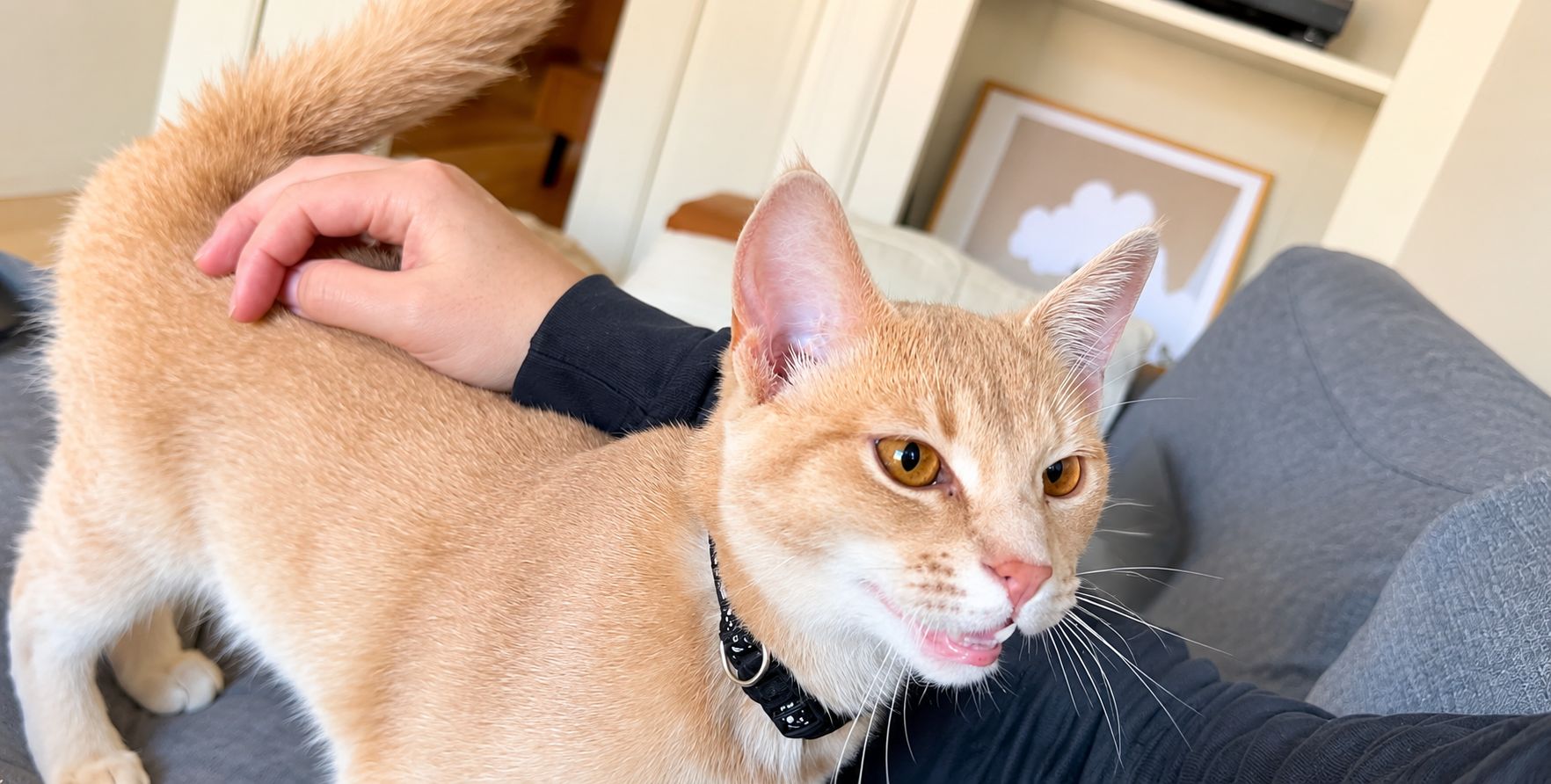
A drop-in visit is a short window of time. Your sitter arrives, feeds your cat, cleans the litter, tops up the water, plays, and checks that everything is well. The more clearly everything is set out, the more of that time goes to your cat instead of searching cupboards. A little preparation also keeps your cat’s routine steady, which is what most cats care about more than anything.
This guide walks you through what to leave out, what to write down, and what to put away before your sitter’s first visit.
Why Preparation Makes Drop-In Visits Better
Cats are creatures of routine. Meals, play, and quiet time at familiar hours help them feel secure, and that matters even more when a new person is entering their space. When you leave clear instructions and easy-to-find supplies, your sitter can follow your cat’s normal day almost exactly, and can quickly notice if something seems off.
Pawland’s drop-in cat sitting visits are designed around this idea. Your sitter comes to your home for the time you request and takes care of feeding, litter, fresh water, and play, and can even take your cat to the vet if needed. Good preparation from you simply makes that care smoother.
Food, Water, and Feeding Instructions
Start in the kitchen. Leave your cat’s food where your sitter can see it, and make sure there is enough for the whole trip plus a little extra, so nobody has to rush out to a shop. If your cat eats wet and dry food, set out the tins or pouches along with the scoop, spoon, and clean bowls.
Then write down the details that are easy to forget. How much does your cat eat at each meal, and at what time? Is there a favorite bowl, or a way of serving the food that your cat insists on? Which treats are allowed, how many, and where are they stored? Cats can be very particular, and a single clear note about these habits saves a lot of guesswork. Mention water too. If your cat prefers a fountain or a specific bowl, say so, and let your sitter know how often it should be refreshed.
Litter Box Supplies and Cleaning Items
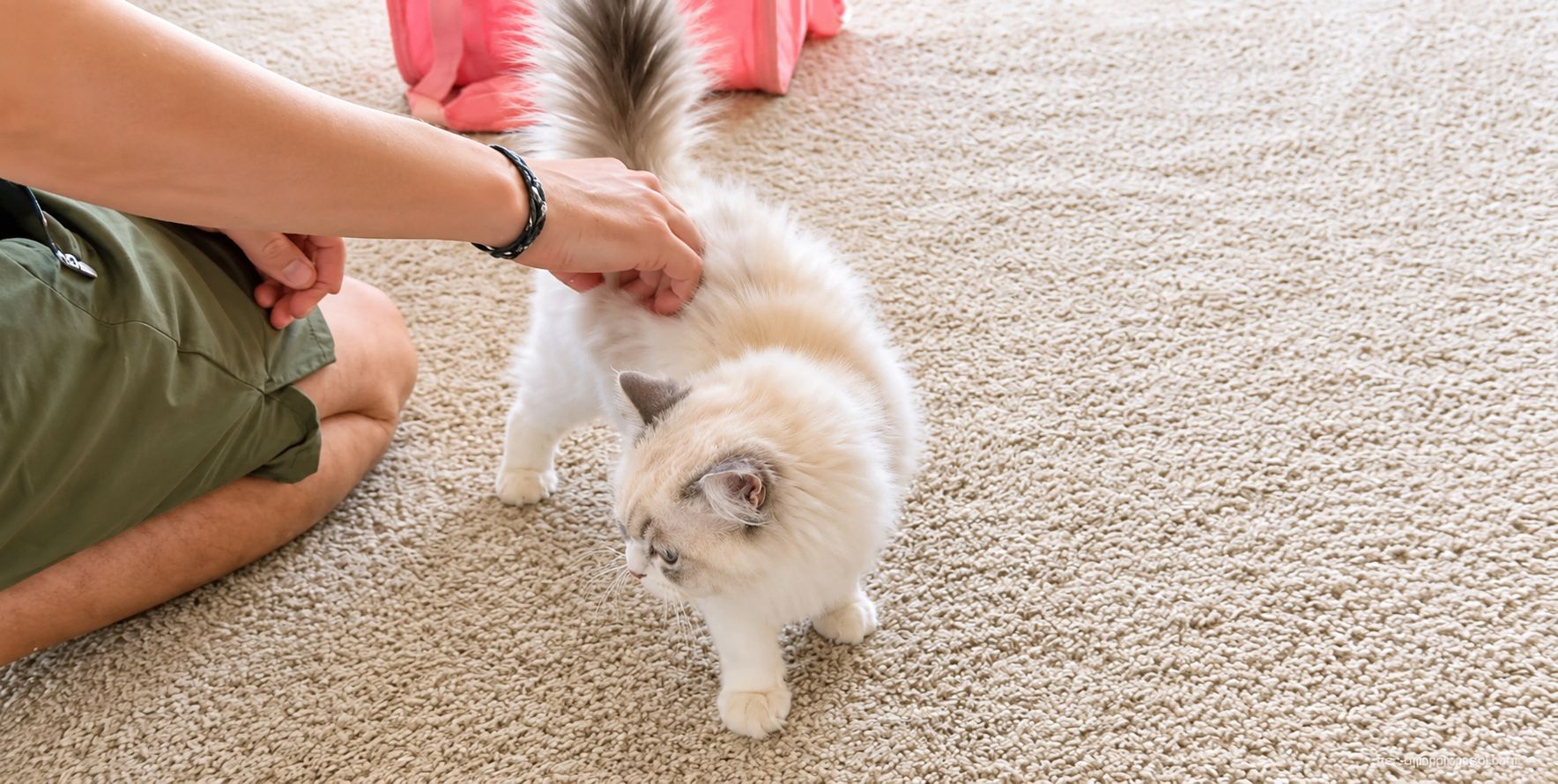
Show your sitter where the litter box is, where the spare litter is kept, and where to find scoops, waste bags, and the bin. Leave a note about how often you scoop and when you do a full change, and tell them about any odd preferences, such as a particular litter type or a box in a certain corner.
Also leave the cleaning basics where they can be reached, including paper towels, a pet-safe cleaner, and a spare bin liner. Accidents happen, and it is a lot easier for a sitter to deal with one calmly when the supplies are right there.
Medication and Health Information
If your cat takes any medication, this is the single most important thing to prepare properly. Leave the medication in its original packaging, and write out the name, dose, timing, and how your cat likes to take it, whether that is hidden in food or given directly. If your cat has a medical condition, special diet, or past health issues, share that too. Pawland’s sitters are trained to recognise common health issues and to give oral medication, but they can only do it well when they know the plan.
Keep your cat’s vaccination booklet in an obvious place as well. If a vet visit becomes necessary, the booklet saves time at the clinic.
Emergency Contacts and Vet Details
Write the name, address, and phone number of your regular vet, along with an out-of-hours or emergency clinic if you know one. Add your own contact details, your travel dates, and the number of a friend or family member nearby who can help if you cannot be reached. It is also worth showing your sitter where the cat carrier is kept, so there is no scramble if your cat needs to be taken in.
If you have a microchip number, include that on the same page. Having everything in one clearly labeled place turns a stressful situation into a manageable one.
Safety: What to Put Away and What to Watch
Preparing for a sitter is also about taking things away. Walk through the rooms your cat uses and look for hazards that might tempt a bored cat. Unplug and tuck away dangling cords, move toxic plants out of reach, close medicine cabinets, and put away anything small enough to be swallowed.
Let your sitter know which toys are safe to leave out and which should only be used while they are supervising, since string, ribbon, and feather toys can be chewed and swallowed. If your cat is a known escape artist, point out the doors and windows to be careful around, and make sure balcony doors and window screens are secure. A short note about which doors to keep closed can prevent a lot of worry.
Comfort Items and Calming Touches
Once the practical items are sorted, think about your cat’s comfort. Tell your sitter your cat’s favorite hiding spots and sleeping places so they know where to look when your cat is shy, and mention the small things your cat loves, such as a particular window to watch or a favorite play game. Leave familiar blankets and beds in place, and consider a pheromone diffuser to help keep the atmosphere relaxed, especially if your cat gets nervous around new people.
If you want regular updates, tell your sitter how often and in what form you would like them. Pawland sitters send photo and video updates as standard, and you can also ask for details about food intake, litter, and water. Telling your sitter which behaviors should make them contact you, such as hiding all day or refusing meals, helps them act quickly.
Access, Keys, and Practical Details
Make sure your sitter can get in without a fuss. Confirm the key, access code, or building instructions in advance, and explain how any alarm or smart lock works. Mention parking, building entry points, and anything unusual about your home that would not be obvious to a visitor.
Do a Meet & Greet First
The best preparation of all is introducing your cat to the sitter before you leave. Pawland sets up a meet-and-greet session for every booking, and our Meet & Greet guide explains how it works. It gives you and your sitter the chance to walk through your instructions in person, and gives your cat time to sniff, observe, and get comfortable. You can also look through our cat sitter profiles to choose the person who feels right for your cat.