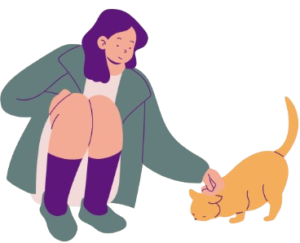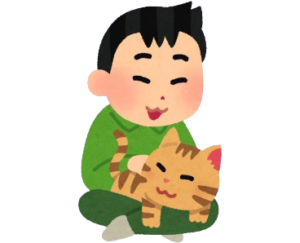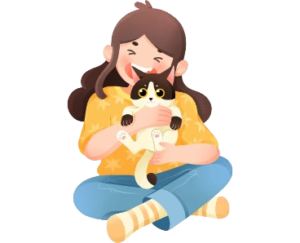


When most people picture a cat sitter’s visit, they imagine a bowl being filled and a litter box being scooped. Those jobs are essential, but they are only part of what your cat needs. Playtime is just as important, and it is often the part of a drop-in visit that makes the biggest difference to how your cat feels while you are away.
In this article, you’ll learn why play matters so much for cats, what good playtime looks like during a drop-in visit, and how to set your sitter up to make every minute count.
Why Cats Need Play, Even When You’re Away
Cats are natural hunters. Even a cat who has never caught anything in their life still carries the instinct to stalk, chase, pounce, and catch. Indoors, play is how that instinct gets expressed. Without it, energy has nowhere to go, and a bored cat can quickly become a stressed one.
Regular play supports a cat’s physical health by keeping muscles active and helping to manage weight, which matters because indoor cats can put on weight easily. It supports mental health too. Play gives a cat something engaging to focus on, builds confidence, and can ease the restlessness that often shows up when a person suddenly stops being around. When owners are away, a cat has much less interaction than usual, so a good play session can fill an important gap.
What Happens When Cats Don’t Get Enough Play
A cat who does not get enough play often tells you in ways that are easy to miss. You might see more sleeping than usual, extra vocalizing, or clinginess when someone arrives. Some cats start scratching furniture, knocking things off shelves, or chewing items they usually leave alone. Others overgroom, or eat more out of boredom.
While you are away, these signs can build gradually. A sitter who plays with your cat on each visit gives them a healthy outlet, and also gets a better chance to see how your cat is really doing. A cat who normally loves a wand toy but shows no interest at all may be telling the sitter something about their health or mood, and that is exactly the kind of change worth reporting back to you.
What Good Playtime Looks Like During a Drop-In Visit
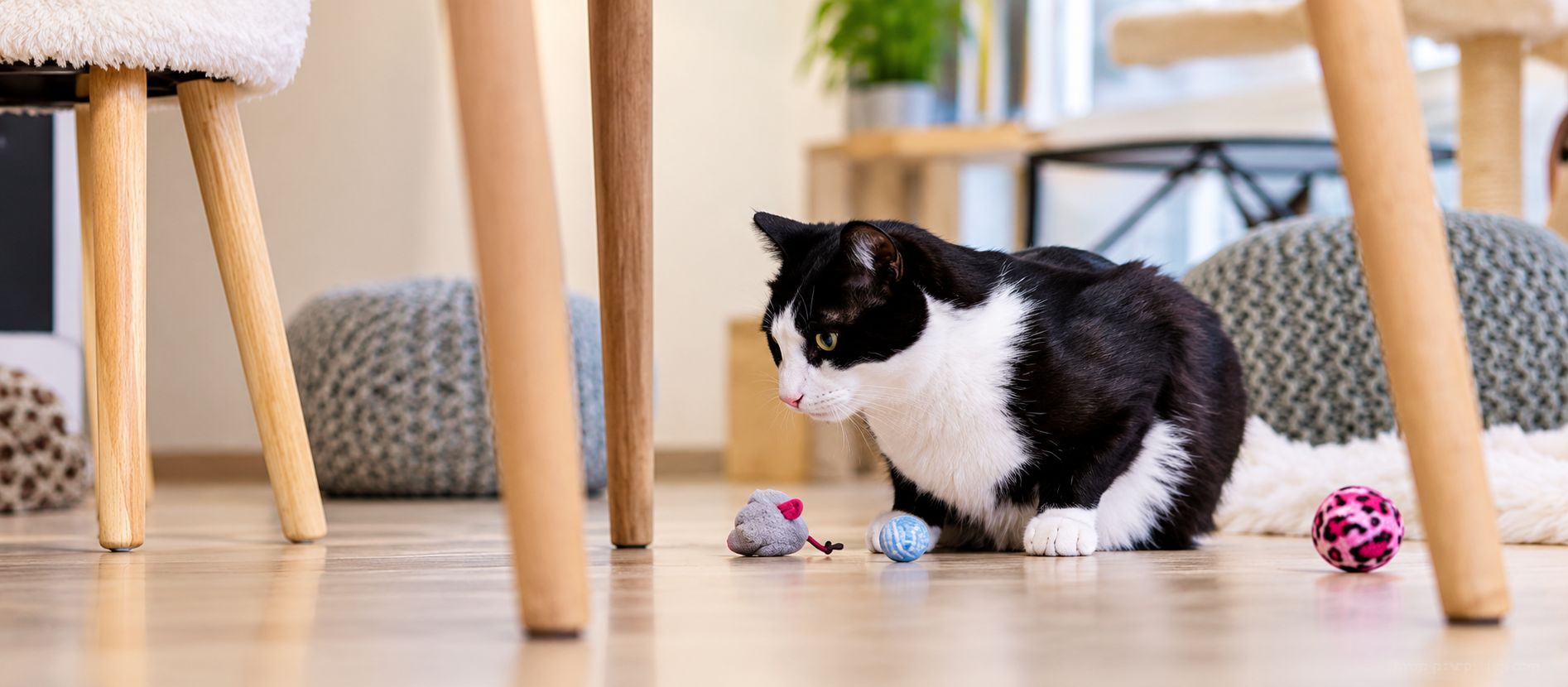
The best play sessions are short, focused, and matched to the cat in front of you. Many cats do well with a few minutes of active play at a time rather than one long session. A sitter might begin by letting the cat settle and sniff, then bring out a wand toy and move it the way prey would, darting, pausing, and hiding behind furniture. Letting the cat “catch” the toy at the end gives a satisfying finish, which helps prevent frustration.
Timing matters as well. Playing before a meal copies the natural cycle of hunting, eating, and then resting, and many cats settle beautifully afterward. For a longer drop-in visit, a sitter can also spend time on quieter interaction, such as gentle brushing, sitting nearby while the cat explores, or offering a puzzle feeder. That mix of active play and calm company is what makes a visit feel like real companionship rather than a quick check.
At Pawland, drop-in cat sitting visits include time to play with your cat, alongside feeding, fresh water, and litter care, so your cat gets attention as well as the basics.
Play Looks Different for Every Cat
Not every cat plays the same way, and a good sitter adapts. A young, energetic cat may want to leap and sprint, while a senior cat might prefer slow, low-impact games with a feather toy close to the ground. Shy or anxious cats often need a gentler start. In those cases, the sitter might sit quietly at a distance, let the cat approach in their own time, and offer a toy without pressure. For cats like these, our guide to meeting your sitter first can make a big difference, because a cat who already knows the sitter is far more likely to join in.
It also helps to tell your sitter what your cat enjoys. Some love chasing a feather, others go wild for crinkle balls, and some would rather work for treats in a puzzle toy. A short note about favorite games, favorite spots, and anything your cat dislikes helps your sitter start playing in the right way from the very first visit.
Keeping Playtime Safe
Play should always be fun and safe. Strings, ribbons, and feathers on wands can be chewed and swallowed, so toys like these should be used only while the sitter is supervising and then put away. Let your sitter know which toys are safe to leave out for your cat to enjoy alone, and which should be stored. If you have a cat who likes to dash for doors, ask your sitter to play in a room where exits are closed.
If your cat has a health condition, tell your sitter in advance so they can adjust the pace. Arthritis, breathing problems, or recent surgery all call for gentler play, and your sitter can only follow your lead if they know the details.
How to Prepare Your Cat and Your Sitter for Great Playtime
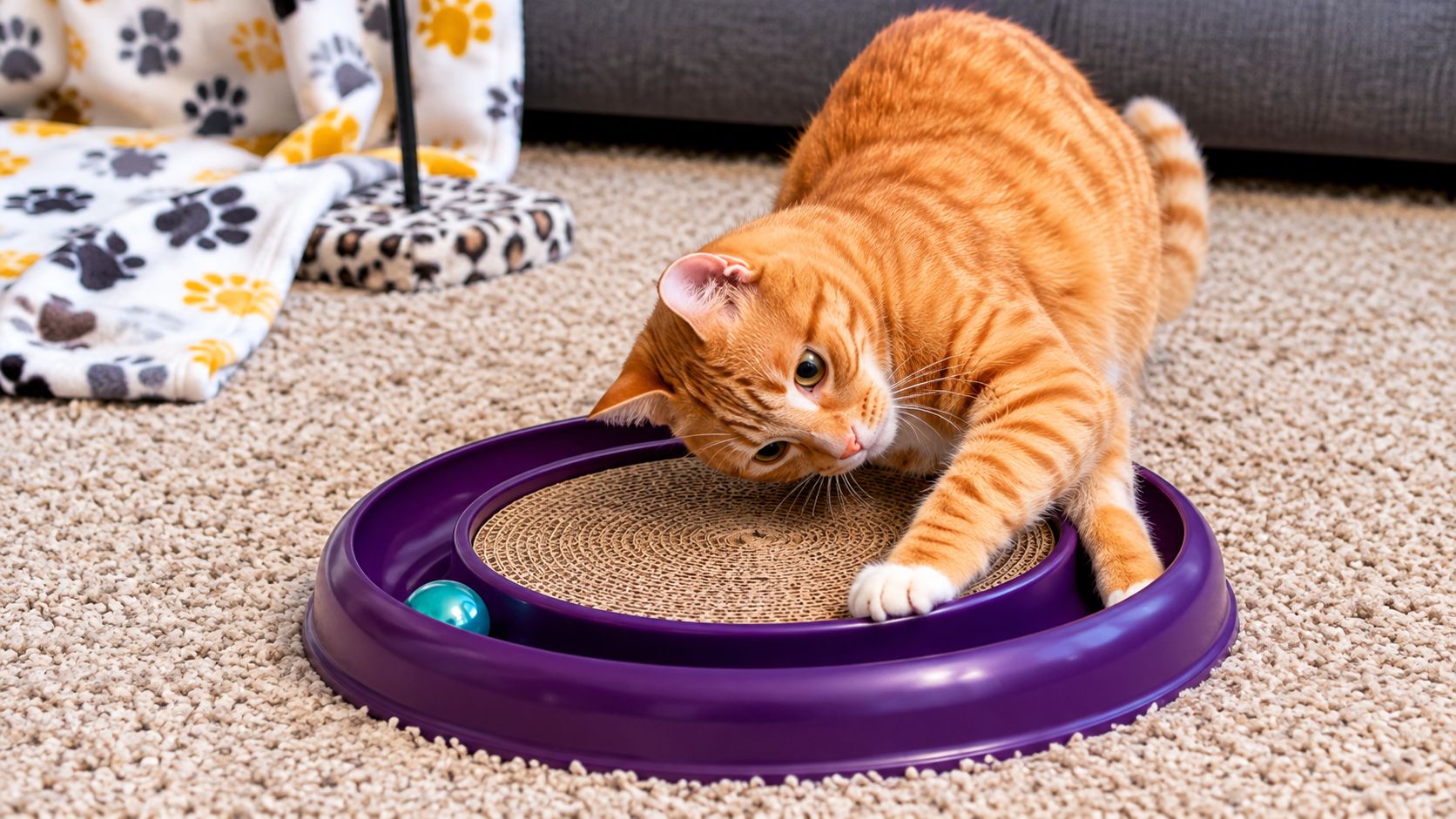
A few small steps before you leave can lift the quality of play on every visit. Set out a handful of your cat’s favorite toys in an easy-to-find place, and keep a toy or two fresh by rotating them in the days before your trip so they feel new. Leave a note on what your cat loves and how long they usually play, and mention any toys that need to be put away after use. If you would like to see how play is going, ask your sitter to share photos or videos, which Pawland sitters provide as part of their updates.
If you want more guidance on preparing for visits, our post on what to leave out for your cat sitter covers feeding, safety, and emergency details in one place. You can also look through our cat sitter profiles to find someone who suits your cat’s personality.