

Dog reactivity can make everyday walks stressful. A dog that suddenly barks, pulls, growls, lunges, or becomes overly excited around other dogs may seem aggressive, but reactivity does not always mean a dog wants to attack.
In many cases, a dog’s reactive behavior can develop gradually because of frustration, fear, unclear boundaries, lack of mental and physical fulfillment, or even genetics. Some everyday habits may unintentionally make the behavior stronger over time.
The good news is that understanding what triggers your dog’s reactivity is the first step toward preventing it from getting worse. Here are five common factors that can contribute to dog reactivity and what you can do differently.
1. Poor Leash Manners Can Increase Frustration
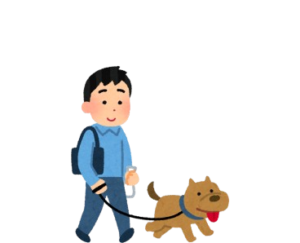
One of the most common reasons dogs become reactive on walks is poor leash control. If your dog is constantly pulling on the leash, choosing where to go, stopping whenever they want, and deciding which people or dogs to approach, they may become accustomed to controlling the walk. Then, when you suddenly stop them from reaching another dog, that restriction can create frustration.
For example, imagine your dog sees another dog and immediately wants to run over and greet them. If your dog has learned that pulling usually gets them closer to whatever they want, being held back can feel frustrating. Over time, this frustration may turn into barking, whining, lunging, or other reactive behaviors.
How to Improve Leash Manners
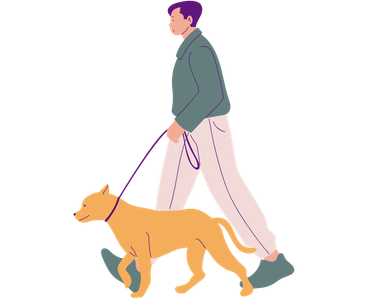
Instead of allowing your dog to control every part of the walk, create clear and consistent expectations. Teach your dog that walking calmly beside you, checking in with you, and responding to simple cues are rewarding behaviors. Your dog should learn that paying attention to you is part of the walk, not something they only need to do when a trigger appears.
Loose leash walking can also help your dog develop better impulse control and make it easier for you to guide them when another dog or trigger is nearby. The goal isn’t to make every walk rigid. Your dog should still have opportunities to sniff, explore, and enjoy the environment. The important part is creating a healthy balance between freedom and structure.
2. Unclear Expectations About Other Dogs Can Create Frustration
Another common mistake is allowing your dog to greet some dogs on leash but preventing them from greeting others without teaching them what to expect. Think about what happens during a typical walk. Your dog sees another dog, pulls toward them, and gets to say hello. A few minutes later, they see another dog and are allowed to greet them again.
Eventually, your dog sees a fourth dog but this time the other owner doesn’t want their dog to interact, so you hold your dog back. From your dog’s perspective, the rules have suddenly changed.
If your dog expects every dog they see to be an opportunity for interaction, being prevented from approaching can create frustration. Repeating this pattern may make your dog increasingly excited whenever they spot another dog.
Should Dogs Greet Other Dogs on Leash?
There is nothing wrong with occasional friendly interactions, but allowing your dog to greet every dog they see can make walks more difficult. A clearer expectation can be that seeing another dog does not automatically mean your dog gets to say hello.
Your dog can learn that passing another dog calmly is completely normal. This can help reduce the excitement and anticipation that often comes before a reactive outburst. If you do want your dog to socialize, choose appropriate situations where the interaction is safe and controlled rather than making every sidewalk encounter a greeting opportunity.
3. Fear and Anxiety Can Make Reactivity Worse
Fear and anxiety are major factors behind many reactive behaviors. A dog may bark, growl, pull, or lunge because they feel uncomfortable around another dog, a stranger, a vehicle, a loud noise, or another specific trigger.
When this happens, many owners naturally try to avoid whatever scares their dog. Avoidance can sometimes be useful for preventing an overwhelming situation, but completely avoiding every trigger does not teach your dog how to calmly handle the trigger. The key is not to force your dog into a situation that frightens them. Instead, they should be exposed to triggers gradually and at a distance where they can still remain calm.
Help Your Dog Stay Calm Around Triggers
If your dog notices another dog but is still able to look at you, respond to a cue, or remain relatively calm, that is an opportunity to reinforce the behavior you want. Reward calm behavior and gradually work on reducing the distance only when your dog is comfortable.
If your dog is already barking, lunging, or completely overwhelmed, you’re probably too close to the trigger. Increase the distance and allow your dog to settle before trying again.
For severe fear or aggression, working with a qualified, force-free behavior professional can be especially helpful. Punishing a fearful dog or deliberately overwhelming them can increase stress and make the problem worse. If you are struggling to manage these walks alone, utilizing professional dog walking services from a trusted platform like Pawland can give your dog structured, stress-free outdoor exposure under expert supervision.
4. Lack of Physical and Mental Fulfillment Can Contribute to Reactivity
Dogs need more than a quick walk around the block. Their physical activity, mental stimulation, rest, play, exploration, and social needs all contribute to their overall well-being. When these needs are consistently unmet, some dogs may become frustrated, restless, or more easily overstimulated. For busy pet parents, hiring professional dog walking services through Pawland can be an excellent way to ensure your dog gets that essential, structured daily exercise even when you are short on time.
A dog that spends most of the day indoors with very little enrichment may have a lot of unused energy when they finally go outside. Then another dog appears, and all that excitement can come out as barking, pulling, jumping, or lunging.
Give Your Dog Healthy Outlets
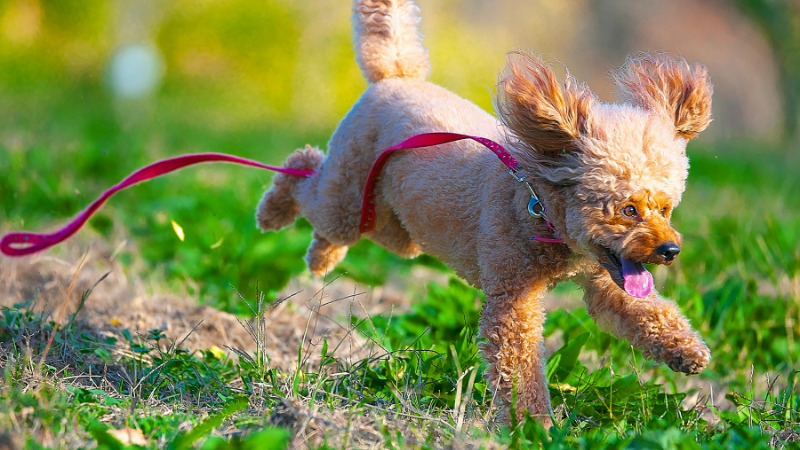
Regular exercise is important, but exercise alone isn’t always enough. Give your dog opportunities to sniff and explore, play appropriate games, use food puzzles, practice training exercises, and enjoy safe off-leash activity when appropriate.
A fenced yard, secure dog park, or other controlled environment can provide opportunities for running and exploration. Structured games such as fetch can also help certain dogs use their energy in a positive way. Mental stimulation matters too. Short training sessions, scent games, puzzle toys, and enrichment activities can help keep your dog’s brain engaged.
Just as importantly, make sure your dog gets enough rest. An overtired or overstimulated dog may have a harder time regulating their behavior. The goal is to create a balanced routine where your dog gets appropriate exercise, enrichment, interaction, and downtime.
5. Genetics and Breed Traits Can Influence Reactivity
Not every reactive dog became reactive because of something their owner did. Genetics can play an important role in a dog’s temperament, energy level, sensitivity, and natural behaviors.
Some dogs are bred specifically for demanding jobs such as herding, hunting, guarding, or working alongside humans. These dogs may naturally have higher energy, stronger drives, greater sensitivity to movement, or a stronger desire to perform tasks.
If a high-drive dog lives a lifestyle that provides very little physical activity or mental stimulation, their needs may not be fully met. That doesn’t mean a particular breed is destined to become reactive. It simply means owners should understand their dog’s natural traits and provide appropriate outlets for them.
Match Your Dog’s Lifestyle to Their Needs
A high-energy working dog may need more than two short walks every day. Depending on the individual dog, their routine may benefit from structured training, scent work, retrieving games, agility-style activities, safe running, controlled off-leash exercise, or other breed-appropriate enrichment.
When dogs have appropriate outlets for their natural drives, they may be less likely to direct that energy toward unwanted behaviors. However, more exercise isn’t always the answer. Some reactive dogs become more overstimulated with excessive physical activity. A balanced routine that includes training, enrichment, exercise, and rest is usually more helpful.
Are You Accidentally Making Your Dog Reactive?
It’s easy to blame a dog’s behavior on aggression, stubbornness, or a bad temperament. But reactivity is often more complicated.
Ask yourself:
- Does my dog constantly pull me during walks?
- Does my dog expect to greet every dog they see?
- Are the rules consistent from one walk to another?
- Does my dog get enough physical and mental enrichment?
- Does my dog have enough opportunities to rest?
- Am I exposing my dog to triggers gradually and safely?
- Am I considering my dog’s individual temperament and energy level?
Your answers can help you identify habits that may be contributing to the problem.
How to Prevent Dog Reactivity From Getting Worse
Preventing reactivity starts with creating predictable experiences for your dog. Teach calm leash walking, establish consistent rules around greetings, reward desirable behavior, provide appropriate enrichment, and avoid repeatedly putting your dog into situations where they become overwhelmed. Most importantly, learn to recognize your dog’s early warning signs.
If your dog starts staring, stiffening, freezing, whining, pulling, or becoming overly focused on another dog, don’t wait until they explode. Create distance and redirect their attention before the behavior escalates. Early intervention is often much easier than trying to manage a full reactive outburst.