

Walking your dog is often treated as a simple daily responsibility. You take the leash, go outside, let your dog walk around, and return home. But a good dog walk offers much more than physical exercise. It gives dogs an opportunity to use their bodies, explore their surroundings, engage their senses, release excess energy, and experience different environments.

Regular walks can also support better behavior and make dogs calmer and more receptive to training. The physical benefits are important, but the psychological and sensory benefits of walking can be just as valuable, particularly for dogs dealing with boredom, excess energy, anxiety, or behavioral challenges.
1. Walking Provides Essential Physical Exercise
One of the most obvious benefits of walking your dog is physical activity. Dogs need an appropriate physical outlet for their energy, and a good walk can help them use that energy in a healthy and controlled environment.
Physical activity can help reduce the tension and restlessness that may build up when a dog has too much unused energy. After a satisfying walk, many dogs become calmer and more relaxed at home because they have had an opportunity to physically exert themselves.
However, exercise is only one part of what makes a walk valuable. A dog can become tired not only from moving its body but also from using its brain and senses.
2. Walking Provides Mental Stimulation
A walk gives your dog something to think about. New surroundings, sounds, smells, people, animals, and different surfaces all provide sensory information that keeps the dog’s brain engaged.
This mental stimulation can be particularly important because simply tiring a dog physically does not always address the reasons behind unwanted behavior. Dogs can become mentally tired through activities that require them to investigate and process information, and walking naturally provides many opportunities for this.
This is one reason a good walk should not always be about walking as quickly or as far as possible. Allowing your dog time to explore can make the experience much more enriching.
3. Walking Can Help Dogs Become Calmer
Many dogs are noticeably calmer after a good walk. Physical activity helps use excess energy, while mental and sensory stimulation provides another form of healthy exhaustion.
A dog carrying a lot of pent-up energy may find it difficult to settle down, concentrate, or respond appropriately. Regular walking can help reduce some of that accumulated energy and tension, creating a calmer state when the dog returns home.
The goal is not simply to make your dog tired. A quality walk should give your dog an opportunity to physically move and mentally engage with the world around them.
4. Walking Supports Better Training and Concentration
Training can become more difficult when a dog has gone several days without an adequate walk. Excess energy and sensory excitement can make it harder for the dog to concentrate on what you are asking.
After a suitable walk, dogs may be calmer, more attentive, and more willing to listen. This can make training sessions easier because the dog is in a better state to focus on the task.
Walking and training can therefore complement each other. A walk can help provide the physical and mental outlet that allows a dog to approach later activities with greater focus.
5. Walking Lets Dogs Use Their Most Important Sense: Smell
For dogs, a walk is an enormous sensory experience, and smell plays a particularly important role. Dogs experience their surroundings through their noses, so the different scents they encounter outside can provide valuable mental stimulation.
This is why allowing your dog to sniff during walks can be beneficial. What may appear unimportant to a human can be highly interesting to a dog.
Instead of rushing your dog past every interesting smell, consider giving them appropriate opportunities to stop and investigate. A slower “sniffing” walk can allow your dog to process more of the environment and enjoy the sensory side of being outdoors.
6. Sniffing Can Make Walks More Enriching
A quality dog walk does not necessarily mean walking continuously from one point to another. Sometimes, allowing your dog to stop and smell bushes, plants, paths, or other safe areas can make the walk more mentally stimulating.
The source compares this behavior to dogs gathering information from their environment and other dogs. In other words, sniffing is not simply a distraction from the walk, it is part of how dogs interact with and understand their surroundings.
If your dog is on a leash, avoid constantly pulling them away from every smell. Instead, use a positive voice and gently encourage them to continue when it is time to move on.
7. Walking Helps Satisfy Natural Instincts
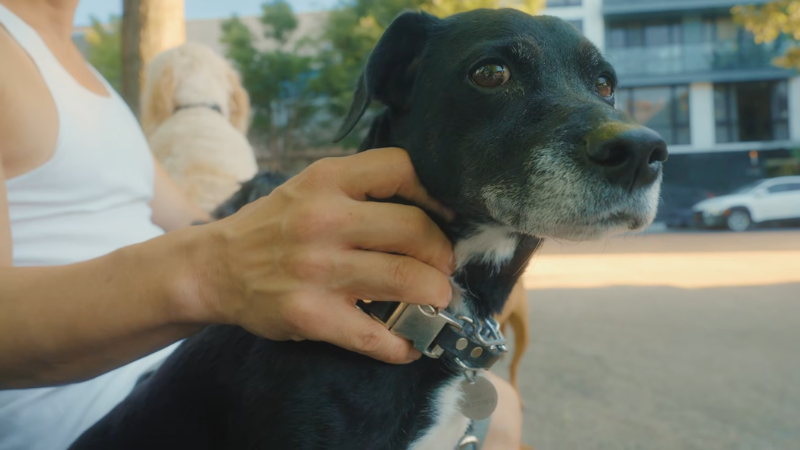
Dogs have instinctive behaviors that need appropriate outlets. Depending on the dog, these may include running, chasing, sniffing, exploring, and investigating their environment.
A home with toys can provide some enrichment, but an indoor environment cannot completely replicate the variety and sensory stimulation available outside.
When natural drives are not adequately fulfilled, some dogs may begin expressing their energy through unwanted behaviors. The source gives examples such as herding behaviors in Border Collies, digging in scent hounds, or repetitive running behavior in some sight hounds.
Regular walks can provide a safer and more appropriate environment for dogs to express many of these natural behaviors.
8. Regular Walks May Reduce Boredom and Unwanted Behavior
Boredom and unused energy can contribute to frustrating behaviors. A dog that does not receive enough physical and mental stimulation may look for other ways to occupy itself.
Regular walks provide structured opportunities for movement, exploration, sniffing, and environmental stimulation. This can help reduce the buildup of energy and boredom that may otherwise appear as unwanted behavior.
A consistent walking routine is therefore not only about exercise. It can also become an important part of maintaining a balanced daily routine for your dog.
9. Different Walking Routes Provide Better Stimulation
Walking the same route every day can still provide benefits, but changing your walking locations can offer greater sensory variety.
Different places expose your dog to different smells, sounds, people, animals, surfaces, and surroundings. This variation can make walks more interesting and provide opportunities for dogs to become comfortable with changes in their environment.
However, changes should be appropriate for the individual dog. Dogs that are particularly nervous or anxious may need gradual introductions to unfamiliar environments rather than being exposed to too much change at once.
10. Walks Can Support Socialization
Walking also provides valuable opportunities for socialization. Dogs encounter different people, animals, environments, sounds, and smells while outside.
Socialization at home can be useful, but a home environment is generally more predictable and controlled. A dog may become comfortable with people and situations inside the home but still struggle when exposed to unfamiliar environments outside.
Regular outdoor experiences can therefore help dogs learn how to respond to different environments and situations. The source emphasizes that socialization is more effective when dogs experience a variety of contexts rather than becoming comfortable in only one familiar setting.
11. Walking Can Help Relieve Stress and Anxiety
A good walk can provide dogs with an opportunity to release physical energy, engage their senses, and explore their environment. These combined experiences can help reduce tension and support a more relaxed state.
The source connects enjoyable walks with reduced stress, anxiety, and related unwanted behaviors. It also notes that positive stimulation during walks is associated with the release of serotonin, contributing to the pleasurable experience dogs can get from being active and engaged outdoors.
For dogs that are particularly fearful or anxious, however, unfamiliar environments should be introduced carefully. Simply taking an anxious dog into a busy environment without preparation may create additional problems rather than solving them.
12. Swimming Can Add Physical Variety
For suitable dogs, swimming can be another physical activity to incorporate into outdoor time. The source describes swimming as a useful exercise that can be particularly beneficial for joints and older dogs because the water supports the dog’s weight.
Not every dog is comfortable or capable of swimming, though. Dogs with certain physical characteristics, including short-nosed breeds, may require extra care and close supervision around water. Swimming should also be kept appropriate to the dog’s ability and fitness rather than becoming excessive exercise.
13. City Walks Can Be Beneficial Too
A good dog walk does not always need to happen in a large green space or countryside. Urban walks can also provide valuable environmental stimulation.
Cities expose dogs to different sounds, people, smells, movement, and surroundings. For dogs that are gradually becoming comfortable with these environments, such experiences can contribute to confidence and desensitization.
That does not mean every anxious dog should immediately be taken into a busy city. New environments should be introduced gradually and according to the individual dog’s comfort level.
14. Walking Benefits Dog Owners Too
The benefits of walking do not stop with the dog. When dogs are calmer, better stimulated, and more relaxed, their owners can also experience a more positive relationship with them.
A well-exercised and mentally stimulated dog may be easier to live with, train, and manage. This can reduce some of the frustration associated with excess energy and unwanted behaviors.
The source ultimately emphasizes that a happy, socialized, and relaxed dog can contribute to a happier and more relaxed owner as well.
How to Make Your Dog’s Walk More Beneficial
The quality of the walk matters just as much as simply going outside. Instead of treating every walk as a race from one location to another, give your dog opportunities to explore.
Try varying your walking routes when appropriate. Allow safe sniffing opportunities, introduce different environments gradually, and give your dog enough time to process the sights, sounds, and smells around them.
You can also combine different forms of activity when suitable, such as walking and swimming. The key is to provide variety while still considering your dog’s individual needs, confidence, physical ability, and comfort.
Most importantly, remember that dogs are not humans. It is easy for owners to assume that because something is enjoyable or stimulating for us, it must provide the same experience for our dogs. Watching television together, for example, does not replace the sensory variety a dog experiences outdoors.