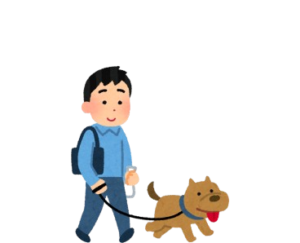
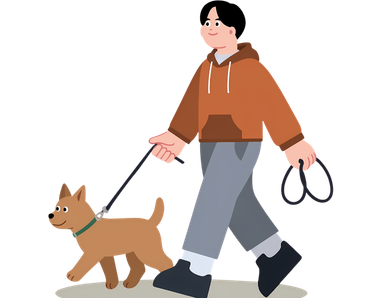


Regular walks are more than just a way for dogs to get daily exercise. A consistent walking routine provides physical activity, mental stimulation, and a sense of routine that can help reduce everyday stress in dogs. Getting outside also gives dogs opportunities to explore, sniff, experience new surroundings, and spend quality time with their owners.
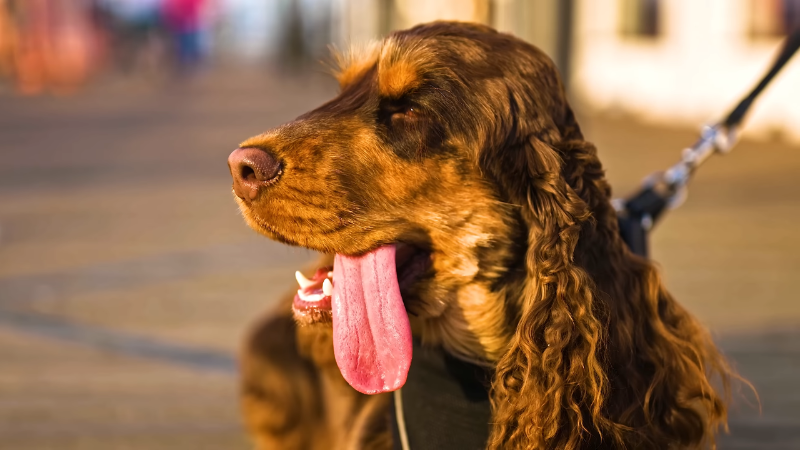
Understanding how regular walks reduce stress in dogs can help pet owners create a healthier daily routine. While walking cannot solve every type of anxiety or behavioral problem, appropriate exercise and mental stimulation can play an important role in supporting a calm and balanced lifestyle.
Why Do Dogs Experience Stress?
Dogs can become stressed for many reasons, including changes in their environment, loud noises, unfamiliar people or animals, separation from their owners, boredom, and insufficient physical or mental stimulation. Signs of stress can vary from one dog to another. Some dogs may become restless or bark more than usual, while others may hide, pace, become destructive, or have difficulty settling down.
Understanding your dog’s normal behavior can help you recognize changes that may indicate stress. Regular walks can address some common contributors to everyday stress by giving dogs opportunities to exercise, explore, and follow a consistent routine.
1. Regular Walks Help Release Excess Energy
One of the main benefits of regular dog walking is providing an appropriate outlet for physical energy. Dogs that spend most of the day indoors may become restless when they do not have enough opportunities to move and explore.
A suitable walk allows your dog to use their energy in a healthy way. After getting appropriate physical activity, many dogs may find it easier to settle and relax at home. The ideal amount of exercise depends on factors such as age, breed, health, personality, and individual energy level.
The goal is not simply to make your dog tired. Instead, walking should provide an appropriate level of activity that supports your dog’s overall physical and mental well-being.
2. Sniffing Provides Important Mental Stimulation
For dogs, a walk is about much more than physical movement. Their sense of smell is one of the most important ways they explore and understand their environment.
Allowing your dog to safely stop and sniff during a walk provides valuable mental stimulation. New scents from other animals, people, plants, and different environments give your dog something interesting to investigate.
Instead of rushing through every walk, allow reasonable opportunities for sniffing and exploration. A slower, enrichment-focused walk can sometimes provide more mental stimulation than simply covering a longer distance.
3. Walking Creates a Predictable Daily Routine
Dogs often benefit from having a consistent routine. Regular walks can become a familiar part of the day, giving your dog something predictable to look forward to.
Taking your dog for a walk around a similar time each morning or evening can create structure. The schedule does not need to be exactly the same every day, but maintaining some consistency can make daily life more predictable.
A predictable routine can be particularly helpful when other parts of your dog’s environment change.
4. Regular Walks Can Reduce Boredom
Boredom can contribute to unwanted behaviors in dogs. When dogs do not receive enough physical and mental stimulation, they may look for their own ways to stay occupied.
This can sometimes result in excessive barking, chewing, digging, or other unwanted behaviors. Regular walks provide a healthy break from staying indoors and give dogs new sights, sounds, and smells to experience.
Changing safe walking routes occasionally can provide additional enrichment. Even a familiar neighborhood can feel different to a dog when there are new scents and surroundings to explore.
5. Regular Exercise Can Support Better Sleep
Appropriate physical activity during the day can help dogs settle more comfortably when it is time to rest. A dog that receives enough exercise and mental stimulation may find it easier to relax at home.
However, more exercise is not always better. Puppies, senior dogs, and dogs with certain health conditions may require different activity levels. Long or intense walks may not be suitable for every dog.
Pay attention to your dog’s energy, comfort, and behavior before and after walks. If your dog consistently appears exhausted, uncomfortable, or reluctant to walk, their exercise routine may need to be adjusted.
6. Walks Provide Valuable Environmental Enrichment
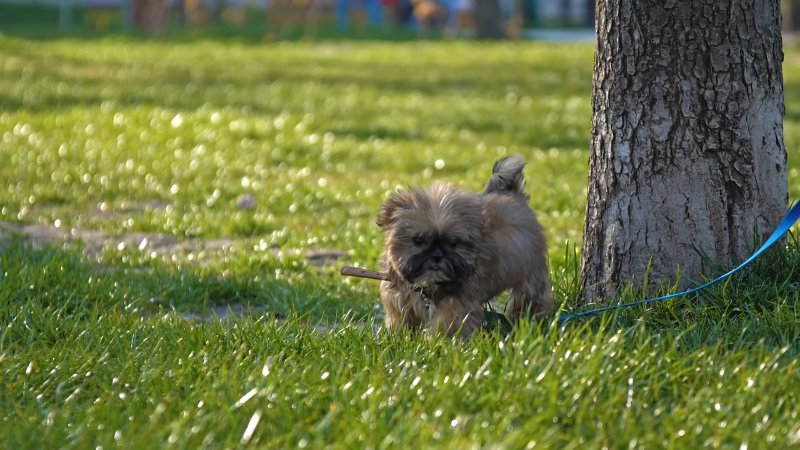
Spending most of the day in the same environment can become repetitive for some dogs. Going outside gives them the opportunity to experience different sights, sounds, smells, surfaces, and surroundings.
This environmental enrichment can make daily life more interesting and mentally engaging. It also gives dogs opportunities to investigate their surroundings and interact with the environment at their own pace.
If your dog is nervous in unfamiliar places, introduce new environments gradually. A quiet neighborhood route may be more appropriate than a crowded park or busy street.
7. Walking Can Strengthen the Dog-Owner Bond
Regular walks are also an opportunity for meaningful time between dogs and their owners. During a walk, you can observe your dog’s body language, learn what environments they enjoy, and practice calm communication.
This shared experience can help build trust and strengthen your relationship with your dog. For many pets, the attention and companionship they receive from their owner can be an important part of what makes a walk enjoyable.
A calm walk does not need to be complicated. Allowing your dog to explore while spending time together can provide valuable enrichment.
How Often Should You Walk Your Dog?
There is no universal walking schedule that works for every dog. The right routine depends on your dog’s age, breed, energy level, physical condition, personality, and overall health.
Some dogs may benefit from several shorter walks throughout the day, while others may be comfortable with longer walks. Puppies and senior dogs may have different exercise needs from healthy adult dogs.
Instead of focusing only on distance or walking time, pay attention to how your dog responds. A suitable routine should provide activity and enrichment without consistently leaving your dog exhausted or uncomfortable.
How to Make Dog Walks More Relaxing
The quality of a walk can be just as important as how often you walk. If your dog becomes overwhelmed by traffic, crowds, loud noises, or unfamiliar surroundings, consider choosing quieter routes or walking during less busy times.
Allow your dog to sniff and explore safely instead of rushing through the entire walk. Reward-based training and calm communication can also help create a more positive experience.
For nervous dogs, shorter walks in familiar environments may be more comfortable than long walks in busy areas. If your dog regularly experiences significant fear or distress, consider speaking with a veterinarian or qualified behavior professional.
What If You Cannot Walk Your Dog Every Day?
Busy schedules, extreme weather, travel, or other responsibilities can sometimes make daily walks difficult. When a normal walk is not possible, appropriate indoor enrichment can help keep your dog mentally active.
Interactive toys, simple training exercises, scent-based games, and supervised play can provide additional stimulation. However, these activities may not completely replace the benefits of outdoor exercise and exploration.
If your schedule regularly prevents you from providing enough outdoor activity, professional dog walking or pet care services can help maintain a more consistent routine.
Make Regular Dog Walks Part of a Healthy Routine
Keeping a consistent walking routine can be difficult when work, travel, or daily responsibilities take up your time. Regular walks are important for your dog’s physical activity, mental stimulation, and overall well-being, so having reliable support can make maintaining this routine easier. Pawland is a top-rated and award-winning pet care platform in the UAE, helping pet owners provide consistent care and outdoor activity for their dogs even when they are busy.
Professional Dog Walking Services
Pawland provides Professional Dog Walking Services with trained and experienced dog walkers who can handle different types of dogs and walking conditions. Pet owners can choose a walker from Pawland’s network, arrange a Meet & Greet before starting, and receive live location updates once the walk begins. The service also includes flexible scheduling, helping your dog maintain their regular walks even when you are unavailable.