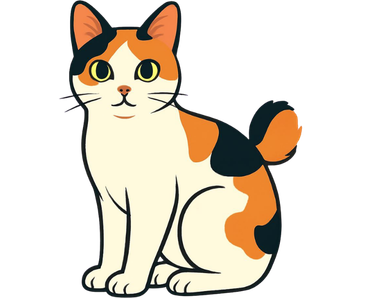


The Japanese Bobtail is an ancient, highly intelligent cat breed famous for its distinct, bunny-like “pom-pom” tail. Deeply rooted in Japanese culture as a symbol of good luck, this athletic feline makes an exceptionally playful, vocal, and family-friendly indoor companion.
Origin & Unique Appearance
- History & Origin: Native to Japan, these cats have been documented for over a thousand years. They initially guarded silkworm barns and imperial temples, and they serve as the real-life inspiration behind the famous “Lucky Cat” (Maneki-neko) figurine.
- The “Bob” Tail: Their iconic short tail is caused by a natural, harmless genetic mutation. Unlike the Manx cat, this gene does not cause spinal or skeletal health issues. No two tails are identical; each has unique kinks, curves, and angles.
- Size & Build: A lean, muscular, medium-sized cat. Males typically weigh 7 to 10 pounds, while females weigh between 5 and 7 pounds.
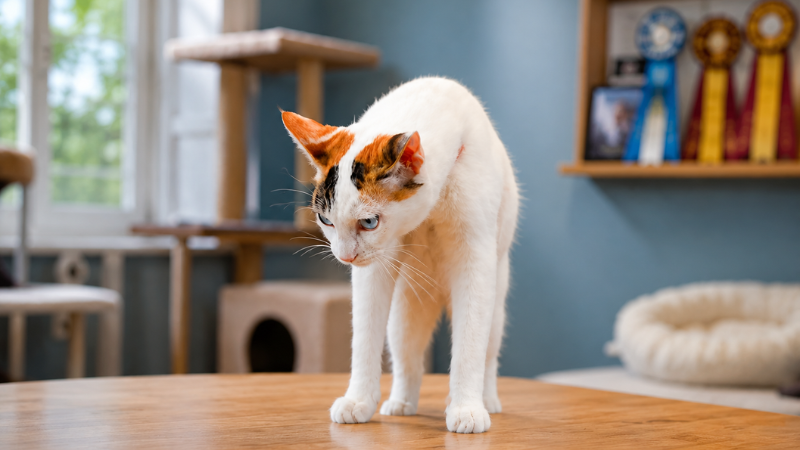
- Coat & Eyes: They come in both shorthair and longhair varieties. The most prized pattern is the “Mi-Ke” (tricolor calico). They are also famous for heterochromia (having one blue eye and one gold/green eye).
Personality & Ideal Home Environment
- Temperament: Highly outgoing, active, and intensely curious. They are known as “singing cats” because they use soft, melodic chirps and meows to converse with their owners.
- Family Compatibility: They are excellent with children and bond deeply with family members. They also get along beautifully with cat-friendly dogs and other pets.
- Intelligence: Exceptionally smart. They can easily learn tricks, respond to their names, play fetch, and even master puzzle toys.
- Home Needs: They thrive indoors with plenty of vertical spaces (like cat trees) and active mental stimulation. Because they love attention, they should not be left alone for long stretches without another pet companion.
Daily Care & Health
- Grooming: Very low-maintenance. Because they lack a dense undercoat, they shed very little. A simple weekly brushing is all that is required.
- Diet & Exercise: High-quality, protein-rich cat food is essential to fuel their high energy levels. Provide daily interactive playtime to prevent boredom.
- Lifespan: They are an exceptionally sturdy and robust breed, typically living between 12 and 15+ years.
- Health Profiles: Unlike many pedigree cats, they have no breed-specific genetic defects or major skeletal problems. Standard routine veterinary checks, vaccines, and early dental care are enough to keep them thriving.
Pet Care Services for Your Japanese Bobtail Cat
Pawland is the ultimate haven for your Japanese Bobtail Cat, offering top-rated, award-winning care in Dubai, UAE. Recognized for excellence, our prime location provides professional services tailored specifically to your feline’s needs, ensuring professional attention and absolute peace of mind.
Cat Sitting Services
Looking for professional cat sitting services in the UAE? Pawland offers specialized, stress-free care tailored for active breeds like the Japanese Bobtail Cat, ensuring your pet stays safe, happy, and fully engaged right at home.
Cat Boarding Services
Our cat boarding services in Dubai, UAE, provide a professional, boutique environment for your Japanese Bobtail Cat. We deliver expert attention, cage-free comfort, and customized care while you are away.
Price & Adoption Guide in The UAE
Purchasing a purebred Japanese Bobtail kitten from certified sources in Dubai or Abu Dhabi is a significant investment due to the breed’s scarcity.
- Imported Purebred Price: AED 3,000 to AED 9,000+. The price depends on lineage papers, coat color (like the prized tricolor “Mi-Ke”), and whether they feature striking heterochromia (odd-colored eyes).
- Local Cattery & Store Price: Certified pet boutiques like Petholicks Dubai or private hobby catteries occasionally import these specialized bloodlines upon request.
Japanese Bobtail vs. Manx vs. American Bobtail
- Japanese Bobtail: Natural, bunny-like pom-pom tail. Lean, slender build with an active, chatty, and vocal personality.
- Manx Cat: Completely tailless or features a tiny stump. Sturdy, rounder build. Carries a gene linked to potential spinal issues.
- American Bobtail: Short, thick tail (about one-third length). Large, heavy-boned, shaggy coat, and possesses a calmer, dog-like demeanor.