

Al Jubail Mangrove Park is a unique eco-tourism destination located on Jubail Island in Abu Dhabi, offering visitors a peaceful escape into one of the UAE’s most important natural ecosystems. Surrounded by lush mangrove forests, the park blends nature, education, and leisure into a single experience, making it ideal for families, tourists, and nature lovers.
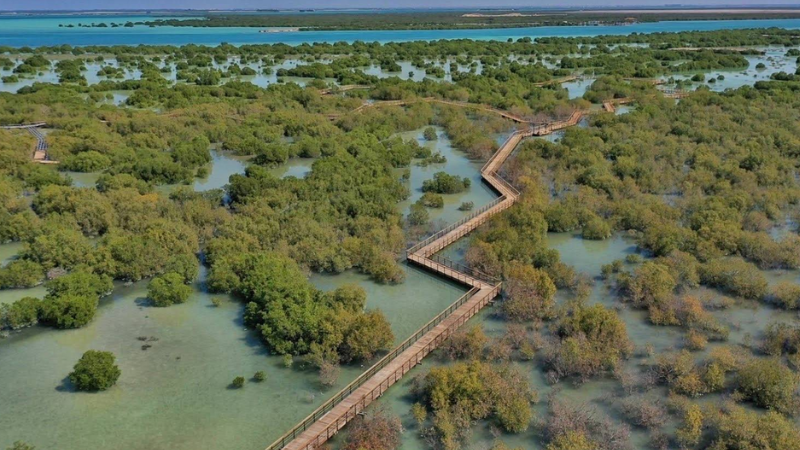
This protected mangrove sanctuary was opened in 2020 and is designed to raise awareness about the ecological importance of mangroves. It plays a vital role in supporting biodiversity, protecting coastlines, and reducing climate change impacts by absorbing carbon dioxide.
The park features scenic boardwalks that stretch through the mangroves, allowing visitors to explore the habitat without disturbing the environment. It feels far removed from the busy city, even though it’s only about 30 minutes from central Abu Dhabi.
Why It’s So Popular
Jubail Mangrove Park has quickly become a premier destination in Abu Dhabi for its rare combination of serene natural beauty, immersive educational experiences, and unique outdoor activities. It serves as a lush “green lung” for the city, offering a peaceful escape from the urban hustle.
Core Popularity Drivers
- Immersive Boardwalks: The park’s most iconic feature is its network of wooden boardwalks, stretching up to 2 km through the forest. These elevated paths allow you to walk directly over the water and get close to the unique root systems of grey mangroves without disturbing the ecosystem.
- Diverse Wildlife Habitats: It is a haven for nature enthusiasts, home to over 88 species of birds, including flamingos, herons, and egrets. You can also spot marine life like turtles, crabs, and small fish in the tidal channels, and occasionally terrestrial animals like gazelles.
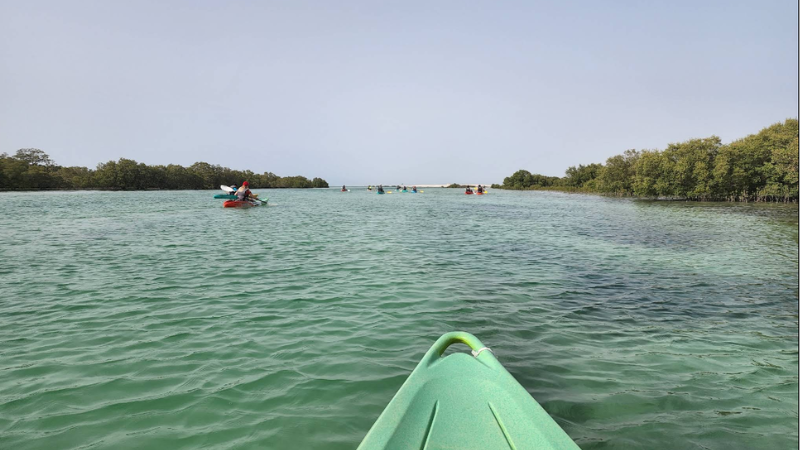
- Unique Water Adventures: Beyond walking, visitors can explore the mangroves by kayak or electric dragon boat. The “Night Glow” kayak tours, where boats are equipped with underwater LED lights, are particularly popular for seeing the park in a completely different light.
- Photogenic Landscapes: Known as one of Abu Dhabi’s most picturesque spots, the park offers stunning vistas, especially during the “golden hour” at sunrise and sunset. Dedicated viewing towers and resting nodes provide panoramic views perfect for photography.
Location & How to Get There
Jubail Mangrove Park is located on Al Jubail Island, Abu Dhabi, conveniently nestled between Saadiyat Island and Yas Island. It is approximately 20–30 minutes by car from downtown Abu Dhabi and roughly 60–75 minutes from Dubai.
Reaching the Park by Car
Driving is the most common way to reach the park, which is situated right off the Sheikh Khalifa Bin Zayed Al Nahyan Highway (E12).
- From Abu Dhabi City Center: Drive northeast on Corniche Road, join the E12 highway, and cross the Sheikh Khalifa Bridge. Look for the dedicated exit for Jubail Mangrove Park.
- From Dubai: Take the E11 (Sheikh Zayed Road) toward Abu Dhabi, then transition to the E12 highway. Follow the signs for Jubail Island.
- Parking: Visitors can enjoy free on-site parking reserved exclusively for guests, though overnight parking is strictly prohibited.
Ticket Price & Entry Fees
The ticket prices for Jubail Mangrove Park are tiered based on age and the type of experience you choose. General admission for the Boardwalk Experience starts at AED 15 for adults.
Standard Entry Fees (Boardwalk)
The Boardwalk Experience includes access to all three trails (1km, 1.6km, and 2km loops).
- Adults (18+ years): AED 15
- Children/Youth (7–17 years): AED 10
- Children (under 7 years): Free
- Seniors (65+ years): Often categorized similarly to adults, though some platforms like Platinumlist list them specifically
Planning a Visit with Your Pet?
- Pet Sitting Abu Dhabi: Reliable care for a few hours while you enjoy the nature trails.
- Pet Boarding Abu Dhabi: A comfortable and secure stay for your pet if you’re planning a longer day trip.
Best Time to Visit Jubail Mangrove Park
The best time to visit Jubail Mangrove Park depends heavily on your planned activities, though the cooler winter months from October to April are universally recommended for pleasant weather.
The Importance of High Tide
To see the mangroves at their most scenic, you should time your visit with high tide.
- High Tide Views: The water submerges the roots, creating a stunning mirror effect that reflects the sky. It is also the best time for kayaking and dragon boat tours, as the water level allows navigation through the narrow channels.
- Low Tide Benefits: While the park may appear “dry,” low tide is the best time to clearly observe the intricate upward-growing root systems and spot small marine life like crabs and fish in the tidal pools.
- Planning Tip: You can check the daily tide forecast on the official Jubail Mangrove Park website before heading out.
Best Times of Day
- Early Morning (7:00 AM – 9:00 AM): Ideal for birdwatching and photography in soft, cool light. It is also the quietest time with the fewest crowds.
- Late Afternoon & Sunset: Highly popular for “golden hour” views and the Sunset Kayaking Experience.
- Nighttime: The park offers unique “Night Glow” kayak tours with underwater LED lights, which are best experienced after dark.