

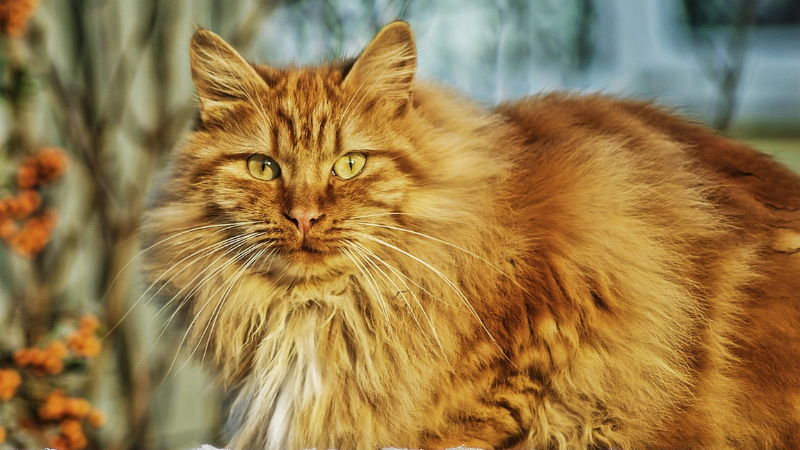
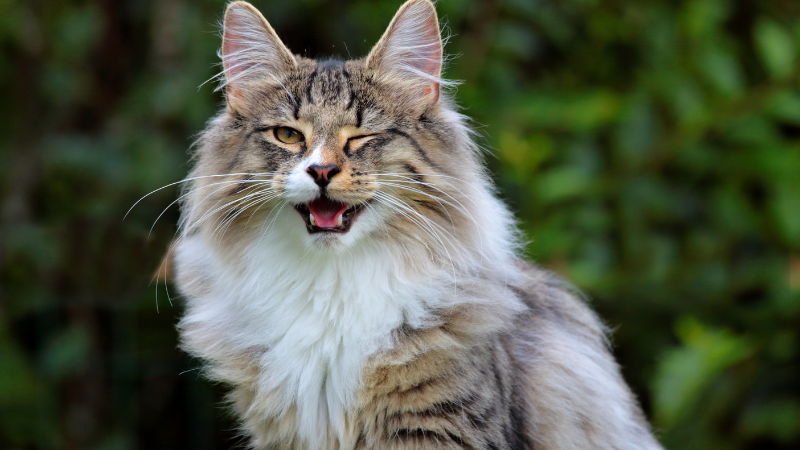
Your Norwegian Forest Cat comes from a line of cats that lived through long, freezing winters. Its dense double coat, strong build and love of climbing all came from that life. Bring that cat into a UAE apartment or villa, and care becomes a question of balance: keeping a winter coat comfortable in a hot climate, keeping a big cat fit, and making sure it is well looked after in the months when you travel most. This guide gives you a routine that works across the whole year.
Why Your Norwegian Forest Cat Needs a Different Routine Here
Three things shape almost everything you do for this cat:
- The coat: thick and heavy, so heat builds up quickly and knots form if it isn’t brushed
- The size: a large, slow-growing cat that gains weight easily without enough activity
- The temperament: calm and fairly independent, happy with your company without needing it every minute
A Simple Daily Rhythm
Morning
Check that the home is cool, refresh the water, and serve breakfast. A few minutes of play with a wand toy before you leave burns energy and helps your cat settle for the day.
During the Day
Most Norwegian Forest Cats spend the day resting in cool corners or high spots, coming down for water and a look around. Leave a puzzle feeder with part of the day’s food and make sure the air conditioning stays on.
Evening
This is the time for a longer play session, a short brushing, and some quiet time together. Many of these cats like to sit near you rather than on you, which is a sign of trust.
Summer Care – Comfort in the Hottest Months
From late spring to early autumn, heat is the biggest risk for this cat.
- Keep the AC running day and night, and check it before you leave the house
- Make sure there are cool, shaded resting spots away from windows that catch the sun
- Add extra water bowls and include wet food at every meal
- Brush more often, as a lighter, tangle-free coat lets air reach the skin
- Never leave your cat in a parked car or on a hot balcony
Heavy panting, drooling, a hot body or lying limp on the floor are signs of overheating, and your cat needs a vet straight away. If you are travelling in summer, ask whoever cares for your cat to check the temperature at every visit. Pawland can arrange a sitter who treats AC checks as part of every visit in the hot months.
Coat Care Through the Year
Everyday Brushing
Two or three short sessions a week keep the coat healthy for most of the year. Start with a wide-toothed comb, then use a soft brush. Focus on the areas where tangles start: behind the ears, under the front legs, along the belly and the back of the thighs.
When the Coat Starts to Drop
Once or twice a year, the undercoat sheds heavily, and fur may come out in tufts. During these weeks, brush every day to stop mats forming. Tight knots close to the skin are best handled by your vet or a professional groomer rather than with scissors at home. If your cat starts bringing up hairballs often, daily brushing usually helps, and your vet can advise if it doesn’t.
Feeding for Size, Not Appetite
A Norwegian Forest Cat keeps growing for several years, but a big frame doesn’t mean it needs unlimited food.
- Choose a high-protein food with real meat listed first
- Split the day’s food into two or three set meals
- Weigh dry food rather than topping up the bowl
- Use wet food to add moisture in the heat
- Check with your vet as your cat grows and again as it enters its senior years
You should be able to feel the ribs through the coat with gentle pressure. A heavy cat puts extra strain on its joints, and that matters more for a large breed.
A Home Built for Climbing
This cat loves height. A tall, heavy cat tree with a wide base, sturdy wall shelves and a secure window perch give it the climbing and lookout spots it naturally looks for. Place at least one high resting spot in a cool part of the home, so your cat doesn’t have to choose between height and comfort.
Holiday Season – Planning Care While You Travel
Summer breaks and long weekends are when most owners travel, and they fall right in the hottest part of the year. Plan your cat’s care early, especially for peak travel dates.
Home Visits or a Stay With a Sitter
A calm, home-loving Norwegian Forest Cat often does best with home visits from a cat sitter. Your cat keeps its own cool rooms and climbing spots, while the sitter feeds it, cleans the litter, checks the AC and spends time with it. In summer, two visits a day are safer than one.
If your cat is relaxed around new people, it can stay with a sitter in their home instead. It lives in a cool, real home with company through the day, rather than in a cattery pen.
Your Handover Checklist
Whoever looks after your cat, choose someone vetted and background-checked, and leave them:
- Meal times, food amounts and anything your cat must not eat
- AC settings and what to do if the power or AC fails
- Your cat’s favourite high spots and hiding places
- The signs of overheating
- Your vet’s number and an emergency contact
Give your cat a thorough brush just before you leave, so its coat starts the trip tangle-free.
Small Changes That Mean a Vet Visit
Because Norwegian Forest Cats are calm by nature, illness can be easy to miss. Call your vet if you notice:
- Faster or heavier breathing at rest
- Stiffness, limping or a reluctance to climb
- Eating or drinking much more or less than usual
- Hiding more than normal
- Vomiting more than once, or repeated coughing
A yearly check-up is the minimum. As your cat gets older, your vet may suggest heart and joint checks, which are sensible for a large breed.